
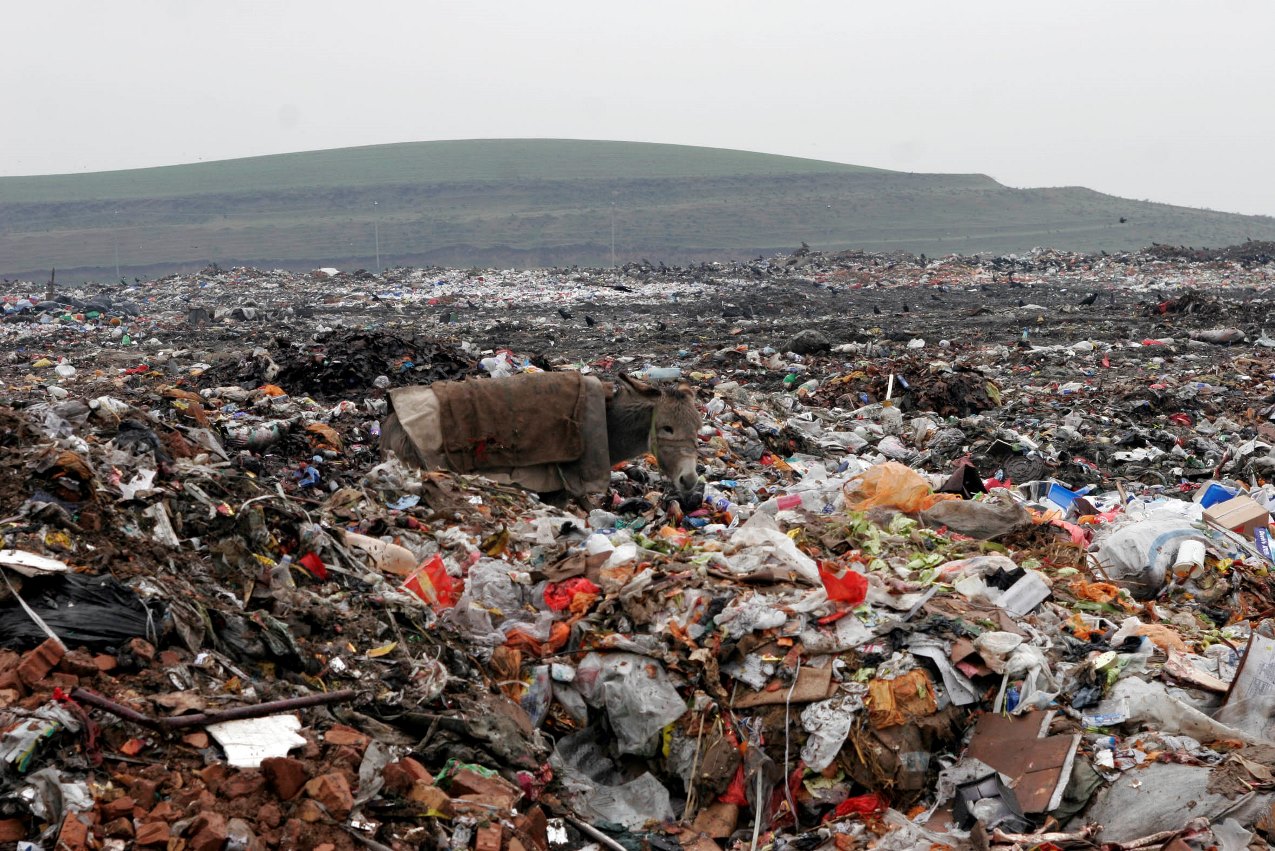
More than 9 million tons of municipal solid waste are generated annually in Tajikistan, including 321,900 tons of plastic waste. In major cities, each resident discards over 1 kilogram of waste per day, more than 100 grams of which is plastic.
According to World Population Review, Tajikistan was ranked among countries with a very high level of waste pollution in 2024. The country’s Mismanaged Waste Index (MWI) reached 87.1%, meaning that most waste is either not collected or disposed of improperly.
Plastic waste frequently ends up in landfills, rivers, and streets, polluting soil and water, harming wildlife, and reducing quality of life. The situation reflects the global plastic waste crisis: worldwide, only about 9% of plastic is recycled, while the rest accumulates in the environment.
Environmental experts say Tajikistan’s high MWI highlights the urgent need to improve waste collection and sorting, expand recycling, and reduce the use of single-use plastics.
How much plastic is thrown away daily?
Detailed data on waste generation were presented by Naim Nematzoda, an official from the Committee for Environmental Protection under the Government of Tajikistan, at a conference on plastic waste held on November 29, 2024. As more recent official statistics are not yet available, these figures are used to illustrate the current situation.
Cities and districts were divided into three groups based on waste generation levels.
The “Mega” group includes 10 major cities and districts with a combined population of 4.2 million, including Dushanbe, Khujand, Istaravshan, Panjakent, Hisor, Vahdat, and Tursunzade. Waste generation here averages 1.013 kg per person per day, with plastic accounting for 9.5%, or 148,200 tons annually.
The medium group consists of 10 cities and districts with 1.99 million residents, including Bokhtar, Kulob, Konibodom, Vakhsh, and Danghara. Waste generation averages 0.902 kg per person per day, producing 62,400 tons of plastic waste per year.
The remaining districts and cities fall into the small regions group, with a population of 4.06 million and waste generation of 0.79 kg per person per day.
Overall, only about 8,500 tons of plastic waste, or 2.6%, is recycled in Tajikistan. More than 83% is buried in landfills, while around 46,000 tons are lost during transportation.
Growth in recycling and production
According to the Agency for Statistics under the President of Tajikistan, production of goods made from recycled plastic increased significantly between 2020 and 2023. In 2023, plastic profile production rose by 250%, reaching 19,300 tons.
Output of metal-plastic products grew by 200% to 596,000 square meters, indicating greater use of recycled plastic in construction. Production of plastic pipes increased by 132%, plastic goods by 144%, plastic boxes by 151%, and plastic caps by 439%.
The Ministry of Industry and New Technologies reports that the number of plastic and rubber manufacturing enterprises rose to 278 in 2022–2023. Production volumes increased from 522,400 tons in 2022 to 533,500 tons in 2023.
Where does the plastic come from?
According to the Customs Service of Tajikistan, plastic products are imported from more than 50 countries, with Russia and Central Asian states as the main trade partners. Total imports and exports of plastic products exceed 23,000 tons.
How to reduce plastic use
Environmental experts propose several measures to address plastic waste, including a ban on the production and use of plastic tableware and packaging thinner than 15 microns.
Such measures, they argue, would significantly reduce non-recyclable plastic waste and ease environmental pressure, particularly on rivers and other ecosystems.
Plastic and human health
Experts also warn about plastic’s impact on human health. Toxic substances found in plastics, such as bisphenols and phthalates, can disrupt the endocrine system and increase the risk of diabetes, obesity, and cancer.
As plastic degrades, it releases harmful elements into soil, water, and air, causing long-term damage to ecosystems. Reducing plastic use, expanding recycling, and switching to environmentally friendly materials are seen as key solutions.
Persistent challenges
Despite some progress, plastic waste remains a serious challenge in Tajikistan. The country lacks an effective system for waste separation, and only 19 small enterprises are involved in plastic recycling — far below actual needs.
There is also no specific legislation regulating toxic chemical additives in plastics. Environmentalists stress that without developing recycling infrastructure and introducing clear regulatory measures, the negative impact of plastic waste on public health and the environment will continue to grow.
