Chinese entities are significantly increasing their investments in Central Asia, focusing on joint ventures, acquisitions, and infrastructure projects. Eurasianet notes that China now accounts for more than a quarter of all foreign companies or joint ventures operating in this Central Asian state.
China-Central Asia cooperation on water and agriculture
A delegation from the China-Central Asia Cooperation Center for Desertification Prevention and Control visited Uzbekistan, Kazakhstan, Tajikistan, and Kyrgyzstan to explore joint water management and agricultural efficiency projects. The Center, established by a decree from President Xi Jinping, will organize training seminars in both China and Central Asia. Additionally, China’s Weinan Vocational and Technical College has hosted workshops showcasing advanced agricultural technologies, with over 300 farmers participating in training over the past three years.
Kazakhstan: mining, trade, and transport
Kazakhstan is a key target for Chinese investment, particularly in its mining sector. Zhejiang Mining Heavy Industry Co. has signed a deal to acquire JV Alaigyr LLP for 29.15 billion Kazakh tenge ($57 million). The company holds mining rights to a major silver and lead field. A consortium of Chinese firms has also purchased Spetzpostavka Absolute for $1.8 million, which holds rights to tungsten and uranium deposits in Kazakhstan’s Jambyl region.
Kazakhstan is facing rising car prices, with expected double-digit increases in 2026 due to higher VAT, recycling fees, and stricter import/export regulations. In response, China’s Chery brand plans to introduce affordable C8 crossovers to the market.
Bilateral trade and transport between Kazakhstan and China are expanding. Despite delays, railroad traffic grew by 11% in 2025, totaling 35.6 million tons, and talks are underway to address bottlenecks, particularly intermodal container traffic via the Trans-Caspian International Transport Route.
Uzbekistan: infrastructure and trade growth
Uzbekistan has seen explosive growth in Chinese-Uzbek joint ventures, rising from 2,337 in 2023 to 5,044 in 2025, making China the largest foreign investor in the country. Cargo traffic through the Middle Corridor has also doubled, reaching over 1 million tons in 2025. The Directorate of Tashkent’s Industrial Zones and China’s Shihezi Development Zone have signed agreements to establish a joint logistics and exhibition center to boost trade.
Kyrgyzstan: investments and infrastructure projects
China’s investments in Kyrgyzstan reached $2.1 billion by the end of 2025, with major projects like the Kambarata-2 hydropower plant progressing on schedule. China accounted for just three of 112 violations recorded during border inspections of agricultural imports. Kyrgyzstan is also expecting a visit from Chinese President Xi Jinping in 2026 for bilateral meetings.
Tajikistan: infrastructure delays and educational collaboration
In Tajikistan, construction of the Qalai-Khumb — Vanj section of the Dushanbe-Khorog-Kulma highway has been delayed for the second consecutive month due to security concerns along the Tajik-Afghan border. This follows the tragic deaths of five Chinese laborers in attacks by militants on the Afghan side of the border in November.
Meanwhile, Tajikistan is increasing its educational collaboration with China. Representatives from Tajik State Pedagogical University and China’s Vocational and Technical Institute of the Defense Industry of Shaanxi Province met to discuss expanding scientific and educational cooperation, reflecting a broader trend of educational exchanges between the two nations.
Turkmenistan: new business opportunities
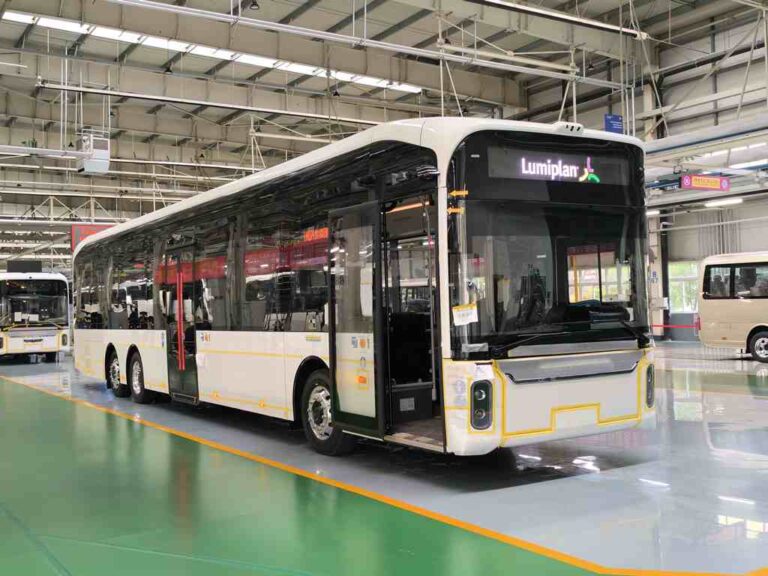
In Turkmenistan, preparations are underway for a Turkmen-Chinese business forum and exhibition in April 2026. Ashgabat has also received 194 Chinese-made vehicles for municipal services, marking a significant step in expanding China’s presence in the country’s infrastructure.
As China continues to strengthen its influence across Central Asia, these initiatives reflect the growing economic, educational, and cultural cooperation in the region, positioning it as a key player in China’s Belt and Road initiative.