Citizens of Tajikistan are not at risk of Nipah virus infection, and no additional emergency measures are required, the Ministry of Health and Social Protection of the Republic of Tajikistan assured "Asia-Plus".
The Ministry explained that the country lacks a natural reservoir for the virus. According to health officials, Nipah circulates among specific species of tropical fruit bats that are not found in Tajikistan. Furthermore, the winter season significantly reduces the risk of animal-to-human transmission.
"The registration of cases over the past two to three months among India's population of over 1.4 billion, located at a significant geographical distance, does not pose an epidemiological threat to Tajikistan," the Ministry clarified.
Officials noted that there is currently no need to intensify measures, as appropriate sanitary and epidemiological control mechanisms are already in place at the country's borders. The Ministry also pointed out that food products, including juices, undergo regular inspection by authorized bodies.
Localized Nipah outbreak confirmed in India
Nipah virus is characteristic of tropical regions. In January 2026, an outbreak of Nipah virus infection was recorded in the Indian state of West Bengal, near Kolkata.
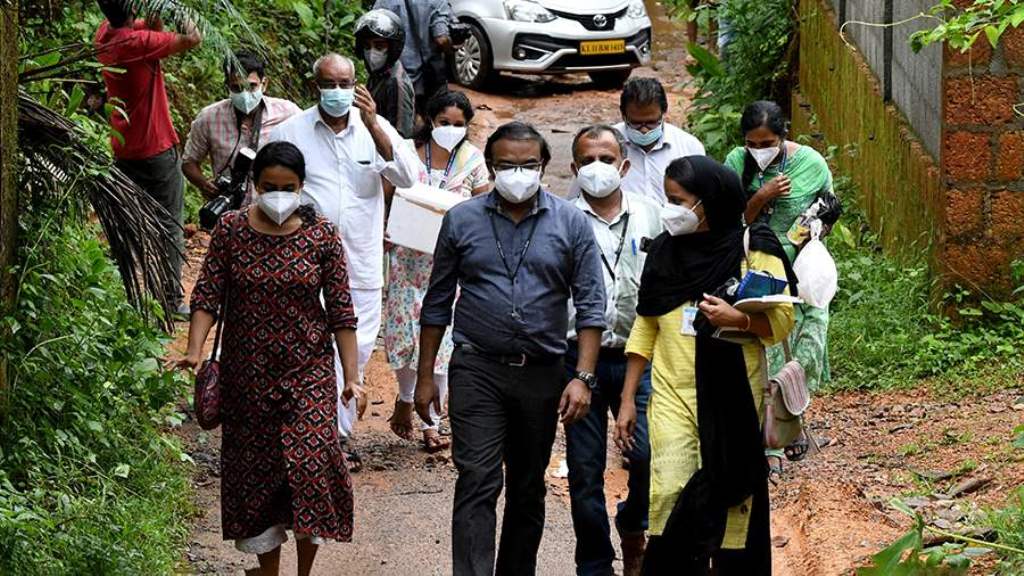
According to official data, five cases have been confirmed, three of which were identified last week. All those infected are healthcare workers, indicating nosocomial (hospital-based) transmission.
The patients' conditions vary: two are in critical condition in intensive care, with one in a coma. The remaining patients have stabilized. As part of anti-epidemic measures, approximately 100 contacts have been quarantined, with 30 under intensive medical observation.
Kolkata authorities have not introduced emergency measures; schools and public institutions continue to operate normally. Experts suggest the outbreak is local and seasonal.
WHO: No vaccines or specialized drugs for Nipah Virus
The World Health Organization (WHO) reports that there are no specific drugs or vaccines against the Nipah virus for either humans or animals. Patients receive only symptomatic care.
In humans, the disease can manifest in various ways—from asymptomatic infection to severe respiratory distress and fatal encephalitis. The incubation period ranges from 4 to 45 days.
In the early stages, patients experience high fever, headache, muscle pain, vomiting, and a sore throat. This can be followed by dizziness, drowsiness, altered consciousness, and other neurological symptoms. Some patients develop atypical pneumonia and respiratory failure.