The Government of Tajikistan has extended the deadline for the legalization of citizens' funds by another year, until January 5, 2027.
“We have extended only the monetary aspect of the law for another year. The legalization of other assets, such as property, concluded on January 5,” Firdavs Tolibzoda, head of the National Bank of Tajikistan (NBT), told Asia-Plus.
Tolibzoda highlighted that around 42% of the legalized funds were directed toward investments, while about 29% were deposited into bank accounts. The remaining funds were used for currency exchange, with foreign currency being exchanged for the national currency.
Initially introduced on July 5, 2021, the law was meant to allow individuals to declare and legalize assets and money that were either undeclared or acquired illegally. The law’s term has already been extended four times—on June 20, 2022, June 22, 2023, February 23, 2024, and January 4, 2025.
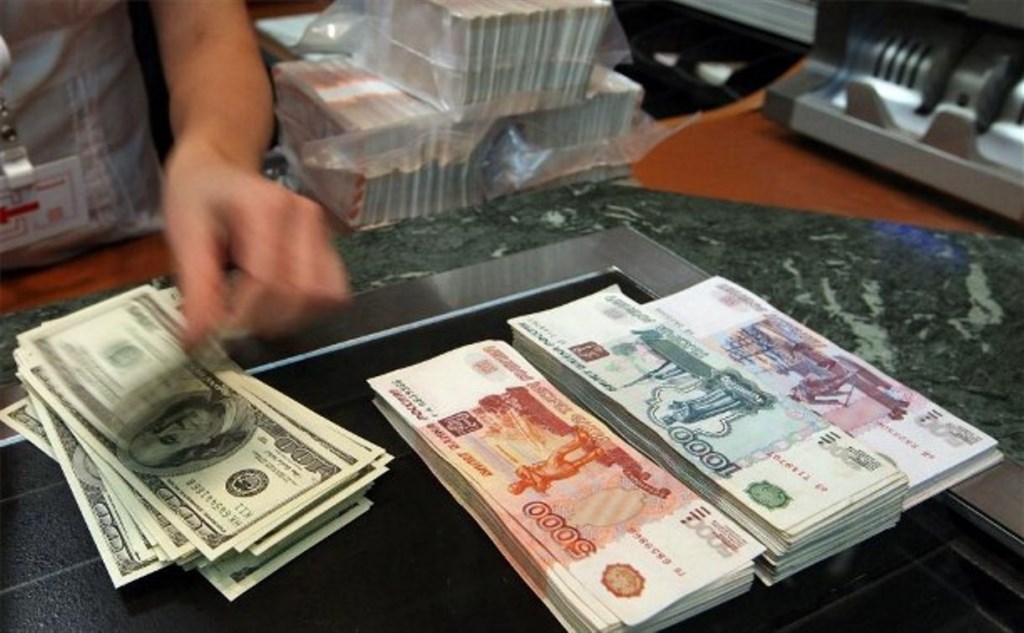
Since the law came into force, approximately 11.7 billion somoni (over $1.2 billion at the current official exchange rate) in funds have been legalized. In 2025 alone, nearly 4 billion somoni were legalized, accounting for 34.2% of the total amount.
The law, following its latest amendments, allows for voluntary declaration of funds. Legalizing these funds automatically grants immunity from administrative or criminal liability, as well as waives taxes, interest, and penalties related to those funds.
The law aims to encourage the legalization of both assets and money, providing immunity from administrative and criminal liability for those who comply. Under the law, precious metals and gems that were mined or acquired illegally—whether in Tajikistan or abroad—can also be legalized. However, assets and money subject to confiscation or under investigation for criminal or administrative violations are excluded from this amnesty.
This law allows Tajik nationals, including individual entrepreneurs and the founders or shareholders of legal entities, to legalize their assets and money. Legalization is facilitated through commissions set up in all cities and districts, while the process for legalizing money takes place in banks, where individuals receive a relevant certificate.
Information about the legalized assets and their owners is confidential and can only be disclosed by a court order.
Tajikistan has previously carried out similar amnesties. The first such initiative took place in 2003, aiming to attract additional investment into the country’s economy. During that amnesty, $190 million owned by 18,000 individuals was legalized. The next round, conducted in 2008-2009, focused solely on the legalization of assets, with more than 87,000 assets legalized, amounting to a total value of 19 billion somoni (around $5 billion at the time). Another amnesty occurred in 2010-2011, allowing individuals to legalize money for investments in the OJSC NBO Roghun, which was established for the completion of construction of the Roghun Hydropower plant. The results of that amnesty were not disclosed, likely due to a small volume of legalized funds.