An ordinary hiking trip for three eleventh-graders from Tursunzoda ended in tragedy. During a thunderstorm, the students were struck by lightning. One of them died, and two of his friends sustained serious injuries.
The hike that ended in tragedy
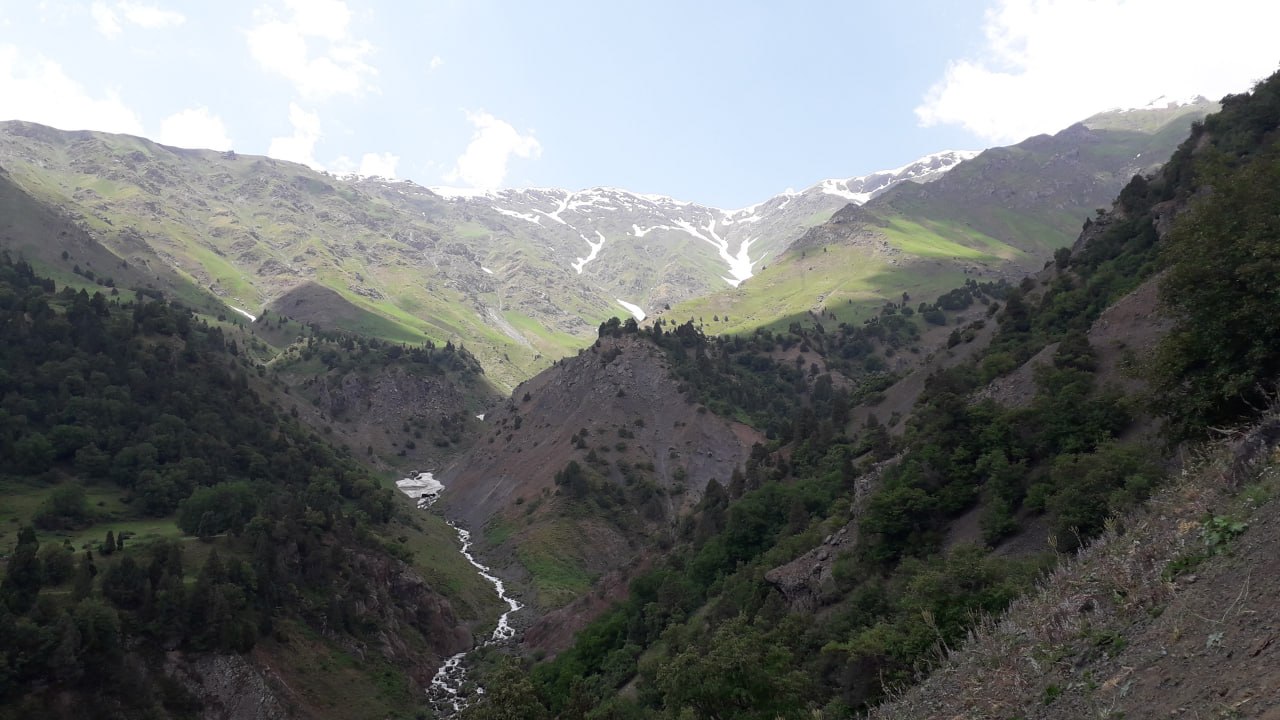
This past Sunday, May 3, three eleventh-graders — Jumabek Qahhorov, Jasour Tilakov, and Sanjar Yuldoshev — left home heading towards the mountains. They planned to have a picnic. The boys took a backpack, food, a set of dishes, a kettle, and set off on the road from the village of Kambar to the foothills of the Hisor Range. They had to cover about seven to eight kilometers to reach the beautiful spots where green meadows, springs, and juniper trees begin.
The road was constantly uphill. They were already climbing the slopes when the weather suddenly began to deteriorate. First, it started to rain, then the downpour intensified, and the sky unleashed large hailstones. Witnesses later recounted that the hailstones were almost the size of pigeon eggs. They hit the ground so hard that small pits were left in the soft loess. Within minutes, the green slope turned white, as if it were covered in snow.
The boys’ clothes were soaked through. Water ran down the slopes, gathered into streams, and eroded the paths. Where they could have walked just recently, muddy torrents now flowed. Staying in the valley was dangerous due to the risk of a mudslide, so the boys hurried to climb higher — towards the top of the hill.
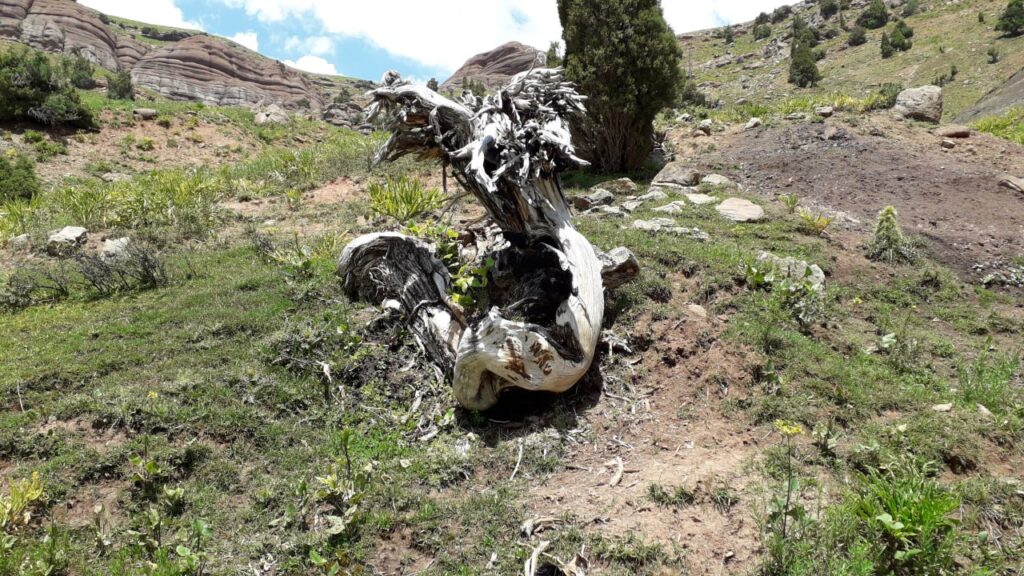
Upon reaching a high hill, the boys realized there was nowhere to hide in the open. Nearby was only an old, solitary juniper standing at the top, and they hurried towards it.
Later, relatives, citing the account of one of the survivors, said that rumors about the boys being on their phones or listening to music at that moment were not true. On the contrary, they were protecting their phones — hiding them in their pockets to prevent the hail from breaking the screens and the water from damaging the devices.
Near the juniper, as relatives later relayed from one of the survivors, the boys saw a whitish veil in front of them — like a thick fog. Almost immediately, there was a deafening clap.
It happened instantly
Jumabek later recounted the circumstances of the incident to his family. He said that at that moment, they were caught in an air vortex and lifted upwards. The survivor’s memory retained only the first moments after the strike. He managed to see Sanjar being thrown through the juniper branches, falling from a height onto uneven ground. After that, the boy lost consciousness.
When people reached the scene of the tragedy, Sanjar no longer showed signs of life. Jasur and Jumabek lay unconscious, their clothes charred. Belongings and food items were scattered around. Witnesses said the kettle from the backpack was blown to pieces. The lightning struck the large juniper with such force that it split the trunk and tore off part of it.
The nearest village, Kaduchi, was about four to five kilometers away. When the news of the incident reached the village, locals started gathering people to help. More than twenty young men set off in the rain to the scene of the tragedy.
The path was difficult: wet slopes, wind, washed-out paths, water underfoot. People walked cautiously because, after such a downpour, moving on the slopes in the mountains is always dangerous.
The injured boys were placed on donkeys. A stretcher was quickly made for Sanjar. His body was carried on shoulders. The rain continued, the ground was slippery, and balance was hard to maintain. People fell, got up, and continued downwards. After several hours, the boys were brought to the village, and then transported by car to the city of Tursunzoda. At 19:10, the hospital received the deceased’s body and the two injured.
Jasur and Jumabek were placed in intensive care. Both are in serious condition. According to relatives, one has injuries to the chest and face, while the other has injuries to the lower body. Doctors are monitoring their condition in the hospital. According to relatives, the authorities in Tursunzoda are helping with medications and treatment.
Relatives wait at the doors of the intensive care unit, listening to every word from the doctors and hoping the boys will regain consciousness.
The home Sanjar never returned to
In Sanjar’s home, there is profound grief. Relatives, neighbors, and acquaintances come silently, embrace the loved ones, and sit nearby.
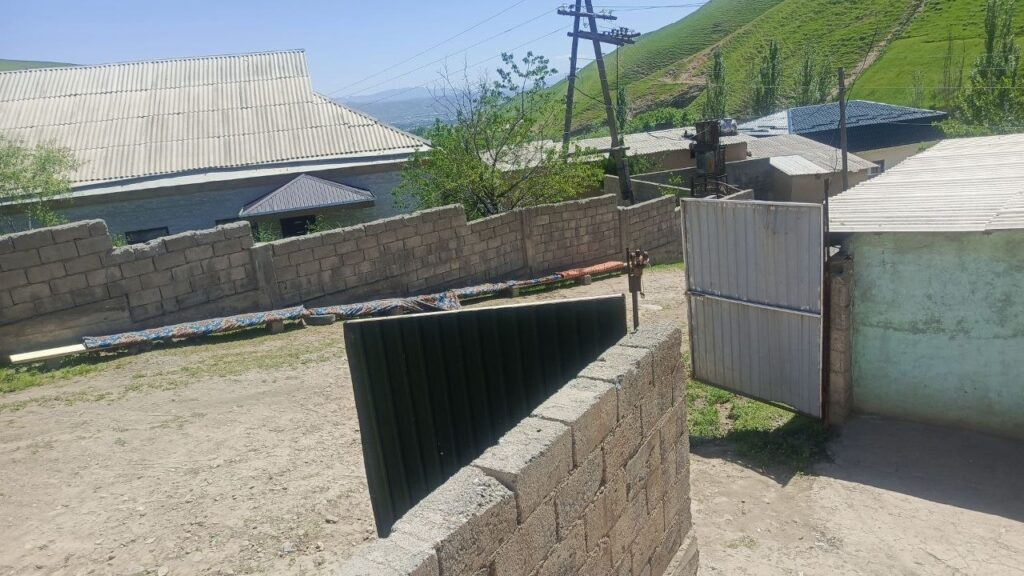
The father shares that his son was preparing for final exams and was thinking about military service. Sanjar was the third child in the family and the first son after two daughters.
Sanjar’s grandfather, Musulmon Yuldoshev, stays close to the family during this time. He meets people, tries to support the relatives and be a pillar for them, although he himself can barely stand under the weight of grief. Eight years ago, he already lost a 20-year-old son in Russia.
Now the pain has returned to his home: his grandson, whom he also considered his hope, has died.
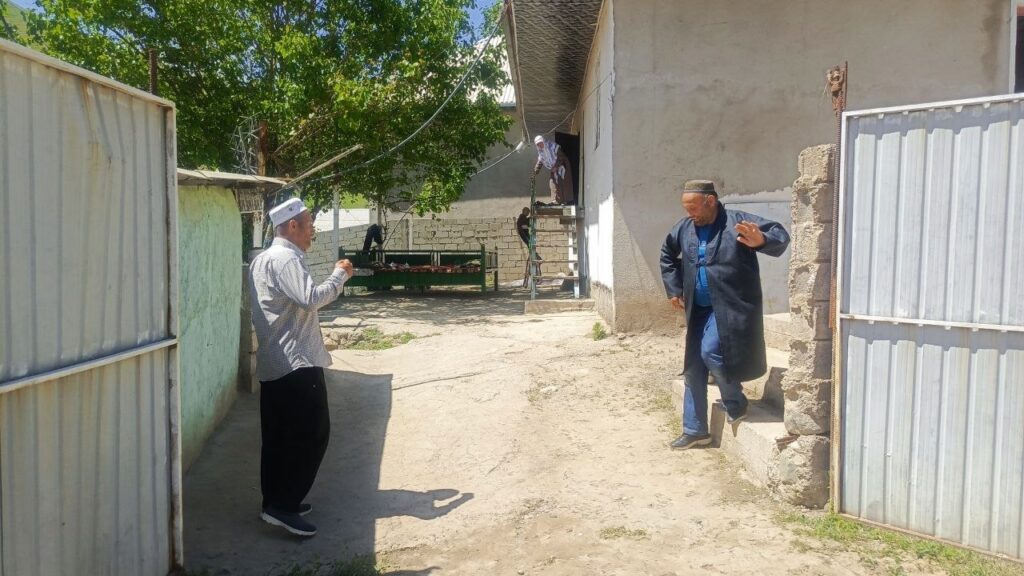
Musulmon aka shared that he himself washed his grandson’s body. According to him, the lightning strike hit under the rib on the right side and exited near the heart and ear. The bleeding could not be stopped even after death.
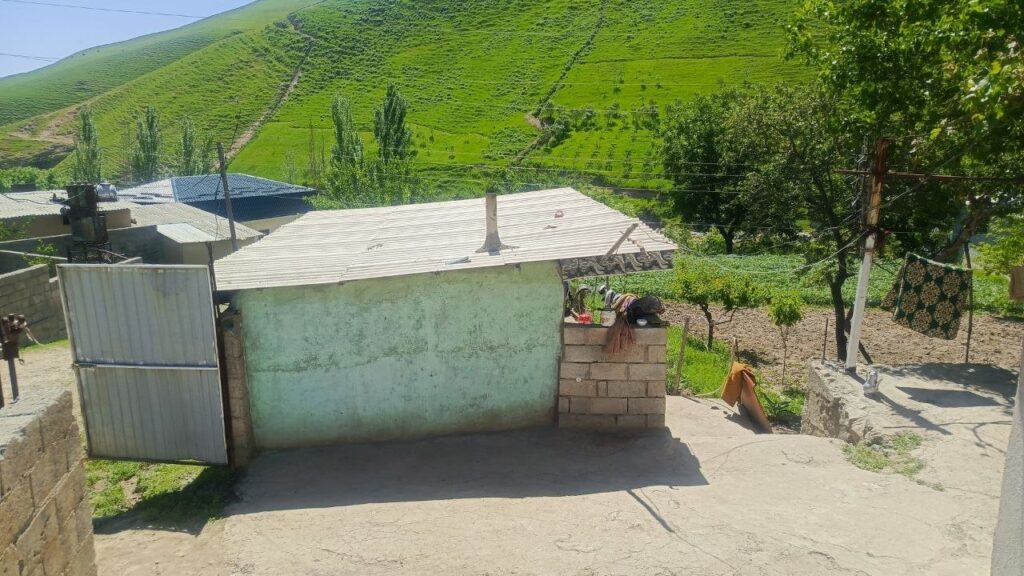
Sanjar’s mother keeps looking at the gate. She still cannot accept the thought that she has lost her son forever. It still seems to her that he will return from the mountains any moment now — as before, with a bouquet of wildflowers and a joyful shout: “Mom!”.
But the gates open, and instead of Sanjar, people enter the yard who have come to offer condolences.
How dangerous is a thunderstorm in the mountains?
According to international estimates, about 24,000 people die annually from lightning strikes worldwide, and approximately 240,000 more are injured.
The Emergencies Committee under the Government of Tajikistan recommends checking the weather forecast, road conditions, and rescue warnings in advance during the mountain travel and leisure season. Do not go into the mountains during rain or immediately after heavy precipitation, or stay near rivers, mudflow channels, and steep slopes.
Before traveling, inform relatives about the route and the approximate time of return, and take a fully charged phone with you.
If the weather worsens, immediately return to a safe place.
In case of an incident, call the rescue service at 112.