Tajikistan’s lawmakers have adopted the Law “On Ensuring the Rights and Social Protection of Persons with Disabilities.” According to the document, people with disabilities will now receive a number of new benefits and guarantees. Some guarantees are retained from the previous law.
The bill was presented to members of the Majlisi Namoyandagon (Tajikistan’s lower chamber of parliament) by the Deputy Minister of Health and Social Protection of the Population, Habibullo Muhiddin on May 6. He, in particular, noted that the new law significantly differs from the existing one, and about 60–65% of its norms are new.
The main goal of adopting the law is to align the country’s legislation with the UN Convention on the Rights of Persons with Disabilities, which Tajikistan ratified in 2020.
According to the official, the law “On Social Protection of Persons with Disabilities,” in effect since 2010, was largely based on the medical and social model of disability and was mainly aimed at providing social benefits, concessions, and services.
The new approach, according to him, aligns with the provisions of the UN Convention, which considers people with disabilities as holders of all human rights on an equal basis with other citizens.
Prohibition of discrimination
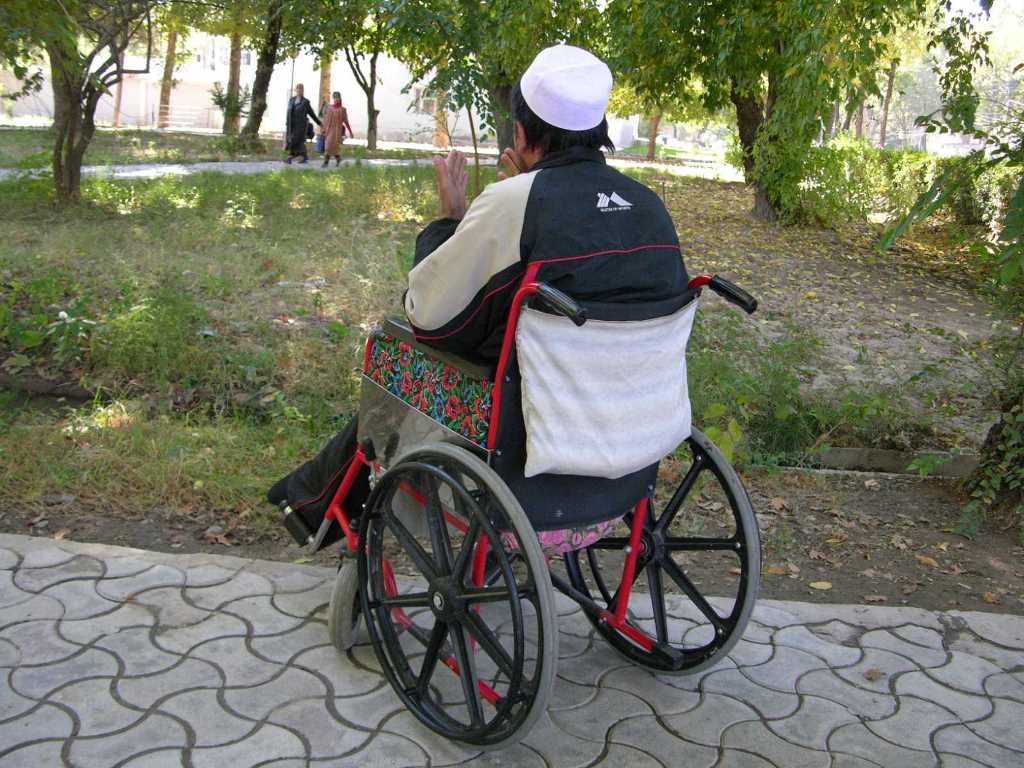
One of the key norms of the law is the prohibition of discrimination based on disability. Discrimination against people with disabilities has remained a serious issue in society for many years.
Now the state is obliged to take measures to eliminate discrimination, develop special programs, identify and investigate cases of discrimination, exploitation, violence, and humiliation against people with disabilities.
Additionally, the state is obliged to prevent discrimination in matters of marriage, family, motherhood, fatherhood, and personal relationships.
The existence of such problems has been publicly stated repeatedly in the past. In particular, the Human Rights Ombudsman in Tajikistan also acknowledged the presence of such cases and provided specific examples at a press conference in February.
Right to education and work
One of the most important norms of the new law is the right to education. The education system must ensure inclusive education for people with disabilities at all levels of education and in additional educational programs.
The bill states that for people with disabilities requiring special learning and upbringing conditions, boarding schools, lyceums, colleges, and special vocational institutions will be established.
In kindergartens, the provision of necessary rehabilitation assistance is envisaged.
Habilitation and rehabilitation
Another new aspect of the law.
Habilitation is the assistance and training provided to children with physical or intellectual characteristics so that they can learn to walk, speak, read, write, and perform daily activities from an early age.
Rehabilitation is aimed at restoring or improving the abilities of a person with a disability so that they can live independently, work, and actively participate in society.
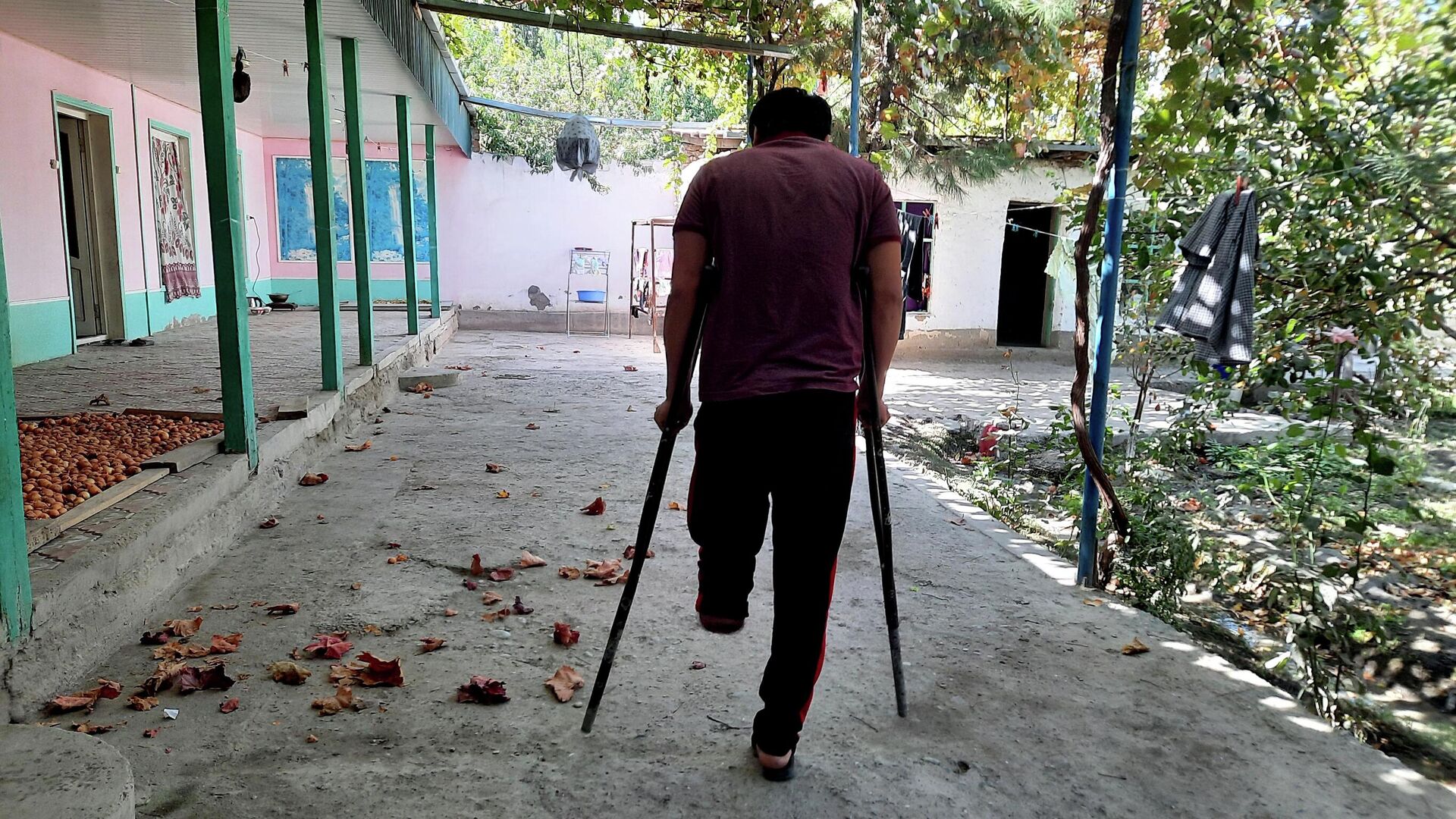
According to the new law, the state will open special centers, provide people with disabilities with necessary means — prostheses, wheelchairs, and other devices, as well as create conditions for education and employment.
Integration and public activity
According to the new law, the state guarantees persons with disabilities equal political rights with others. They receive the right to participate in political and public life directly or through their representatives. In particular, they gain the opportunity to vote and be elected (this provision was detailed more extensively).
People with disabilities can (as before) form public organizations to protect their rights and interests, as well as for mutual support.
They must also be provided with equal participation in television programs, films, sports competitions, as well as access to cultural sites, theaters, cinemas, museums, libraries, and sports facilities, as well as to tourist services.

Free transport and treatment
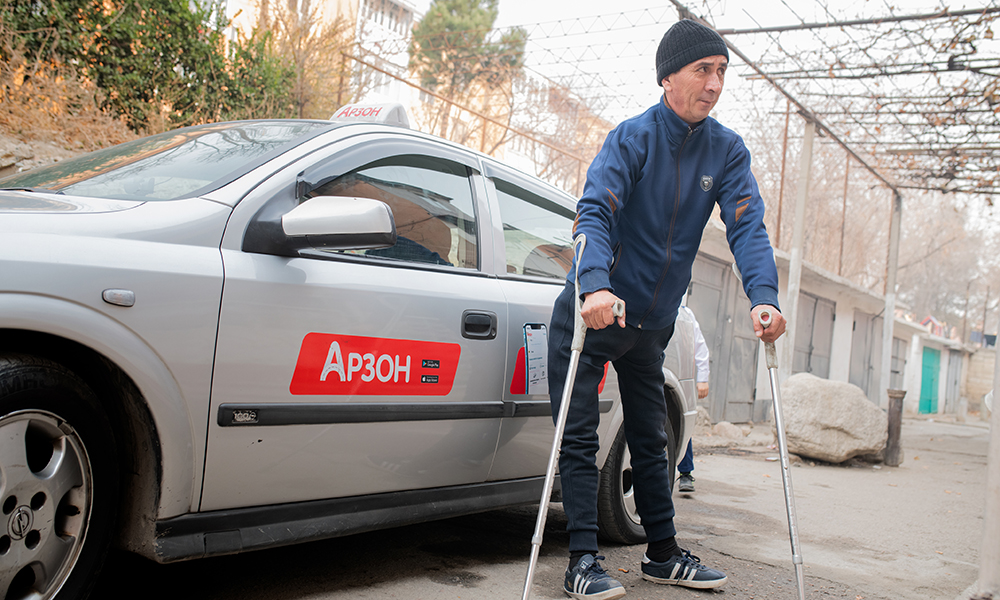
According to the law, people with disabilities have the right, as before, to use urban, suburban, intercity, and district public transport for free (except taxis). To do so, they will need to present a disability certificate.
Additionally, people with disabilities can receive free or discounted treatment in state sanatoriums based on a medical certificate. These benefits are retained from the previous version of the law.
Accessibility of social infrastructure
The new law provides for ensuring access for people with disabilities, including wheelchair users, to all social facilities.
This norm is not new, but in practice, it, like many others, is not implemented. Previously, “Asia-Plus” wrote about how the needs of people with disabilities are often not taken into account in the construction of new buildings — both state and private — using Dushanbe as an example.
Uneven sidewalks, lack of ramps or their incorrect installation, and slippery surfaces remain a serious problem for people moving in wheelchairs.
Housing benefits
People with disabilities have, as before, the right to a 50% discount when paying for housing and communal services (except for electricity and natural gas).
In addition, when purchasing state housing, they will be provided with a 50% discount.
The provision of electricity, gas, drinking water, and telephone connections for them will be carried out free of charge and without delay.
Sign language, Braille, and means of communication
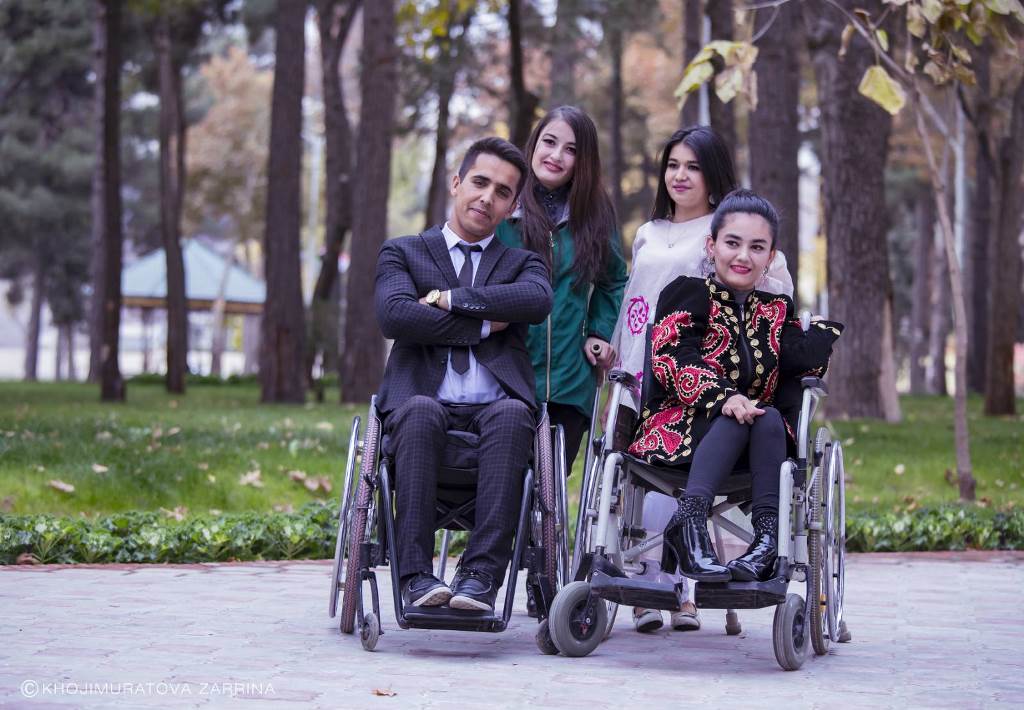
According to the law, the use of sign language, Braille, and other means of communication will be regulated for people with disabilities.
Various forms of support must be used in communication and information reception.
For people with hearing impairments, hearing aids, sound amplifiers, subtitles, and sign language must be provided.
For people with vision impairments — Braille, audio recordings, large print, tactile communication methods, and other means.
… The new law will come into force after its official publication.
The document is designed to align Tajikistan’s legislation with international standards, including the Convention on the Rights of Persons with Disabilities.
As stated at the parliamentary session, the Convention was ratified by the government of Tajikistan back in 2020. According to the Deputy Minister of Health, on April 17 this year, President Emomali Rahmon agreed to its approval, and the Ministry of Foreign Affairs is completing the necessary procedures.