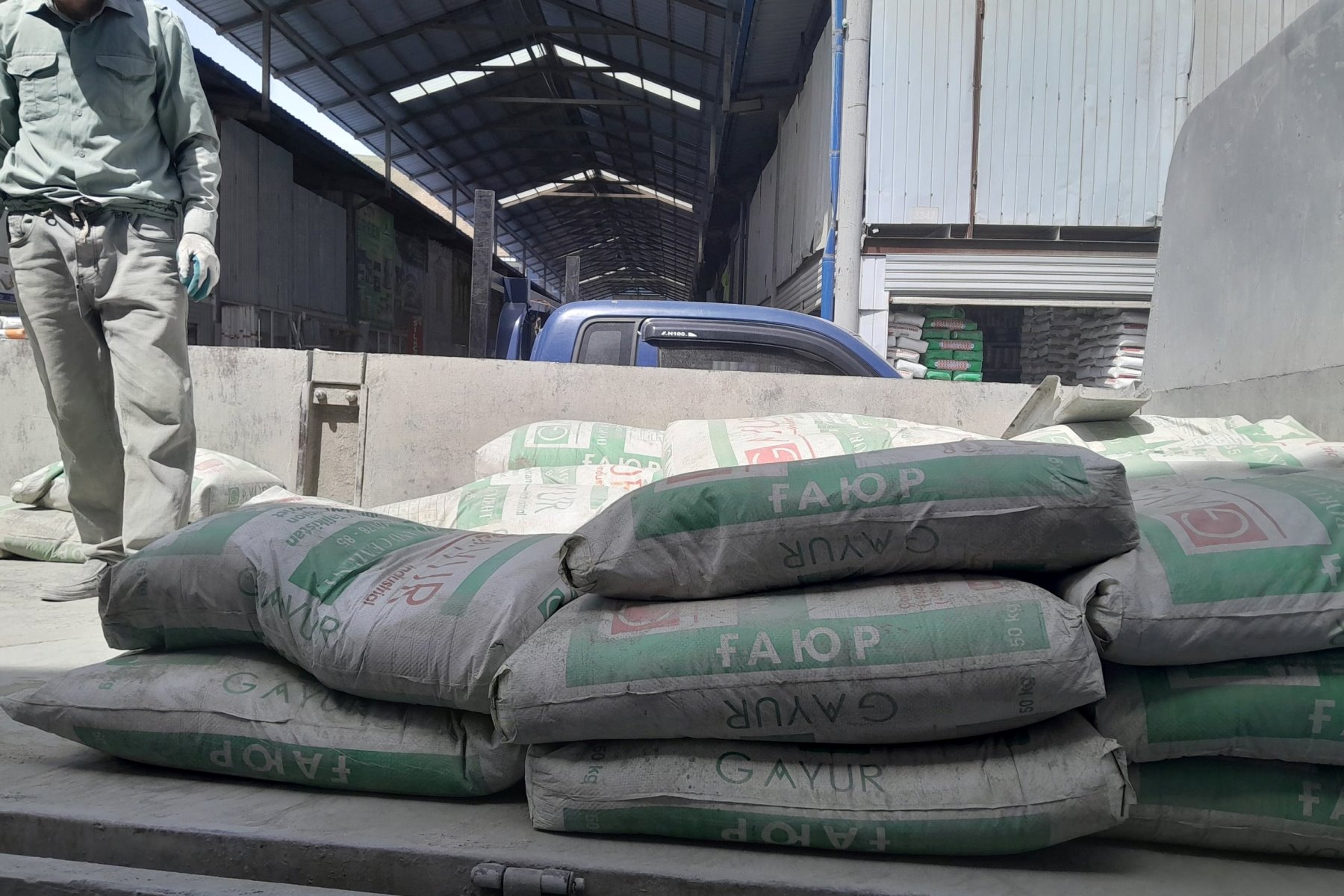
The price of cement in Tajikistan has sharply increased — in some regions, a standard 50-kg bag of cement now costs up to 90 somoni, and sellers warn of further price rises amid product shortages and supply disruptions.
Cement shortage in Dushanbe: prices rise daily
In Dushanbe, there has been an acute shortage of cement — one of the most sought-after building materials in the country — over the past week. On the capital’s construction material markets, it has become extremely difficult to purchase cement: it appears for sale only at certain points and only in the first half of the day.
At the same time, prices are skyrocketing. Just a week ago, a bag of cement, depending on the brand and manufacturer, cost about 50 somoni, but today its price has already reached 70 somoni and continues to increase almost daily.
Sellers say they cannot predict further price increases. According to them, there are huge queues at wholesale bases and dealers, and high demand is further pushing prices upward.
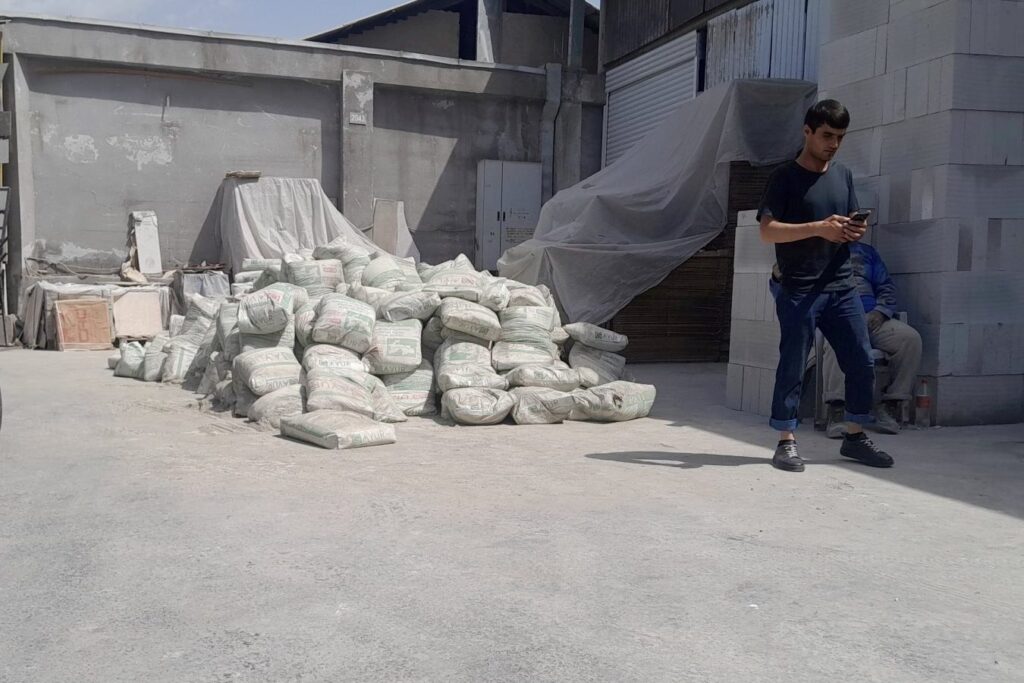
At Dushanbe’s largest construction market — “Kushoniyon” — a correspondent from “Asia-Plus” managed to find only the last bags of the cheapest cement on May 20. They were already being sold for 75 somoni.
Sellers are warning buyers that the cost might rise even higher the very next day. Many shops are left without any products, and deliveries are irregular and in limited quantities.
Khatlon: even developers lack cement
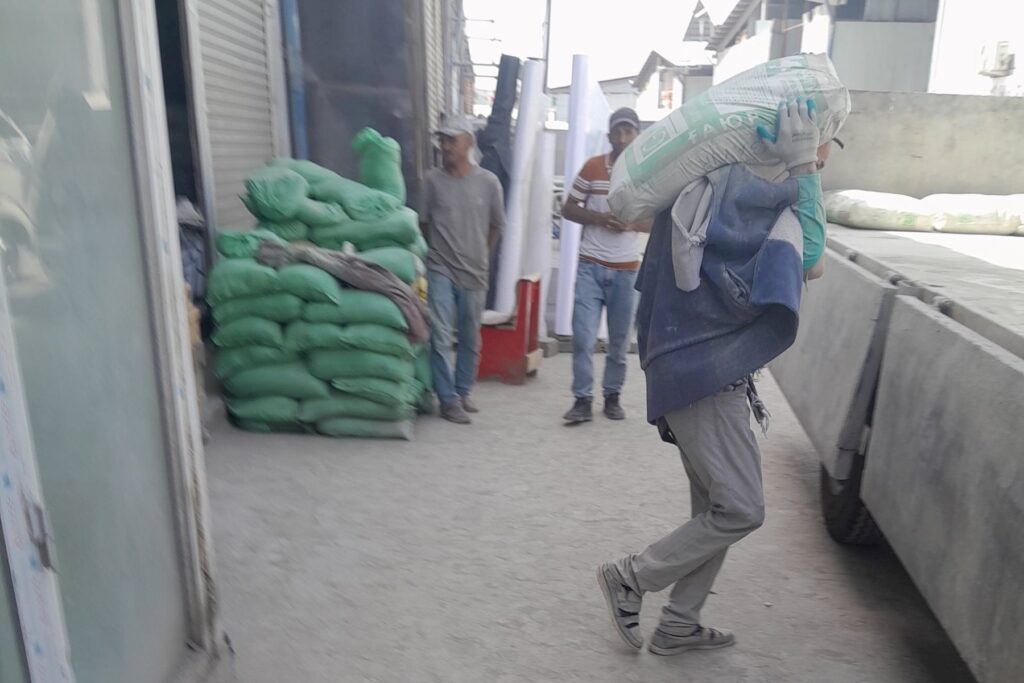
Over the past week, the cost of cement in the Khatlon region has risen by 8–20 somoni per bag.
Several sellers told “Asia-Plus” that supplies are inconsistent, and the timeline for stabilizing the situation is still unknown. In a phone conversation with three sellers, a correspondent from “Asia-Plus” was informed that cement is almost out of stock, with dealers promising new deliveries “today or tomorrow.”
According to sellers, a bag of cement produced by Huaxin Gayur Cement and Zhongtai Mohir Cement now costs 75–80 somoni, while cement brands “Tajikcement” and “Khatlon” range from 65–70 somoni.
A month ago, prices were significantly lower: Huaxin Gayur Cement and Zhongtai Mohir Cement were sold for 50–55 somoni per bag, while “Khatlon” and “Tajikcement” products were 42–50 somoni.
One of the sellers noted that even companies involved in high-rise building construction are experiencing supply issues.
Sughd: local and imported cement prices equalized
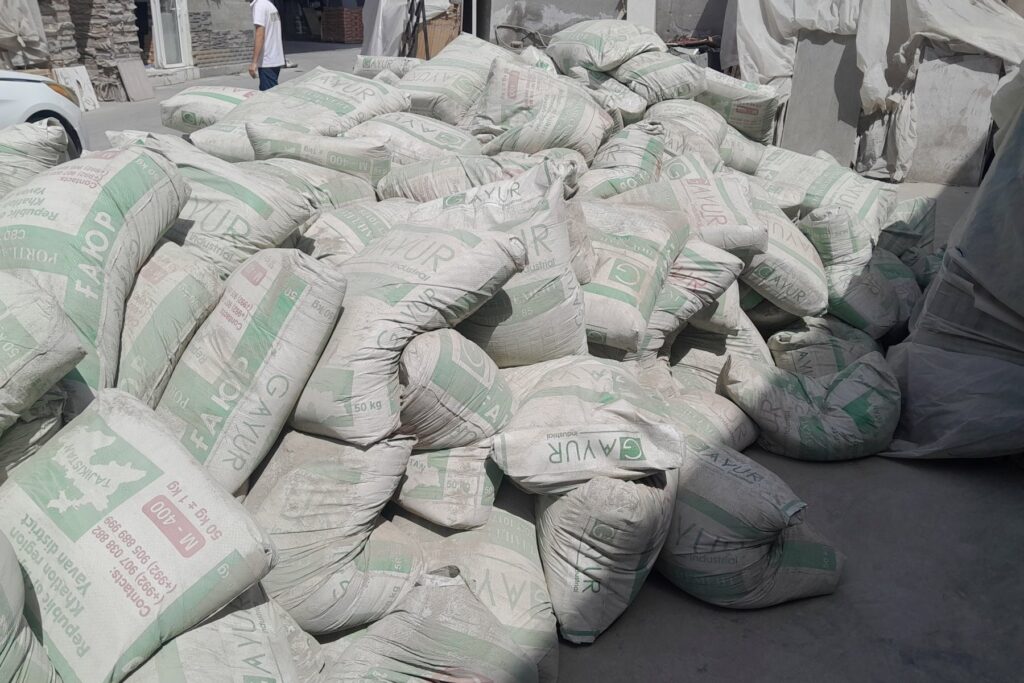
At the largest construction market in Khujand, “Barakat,” sellers confirm that the cost of building materials has significantly increased over the past month. The price rise affects both local manufacturers and major plants in the region.
Today, a 50-kilogram bag of 400-grade cement from the Konibodom manufacturer is sold for 70 somoni, 400-grade “Huaxin” cement, whose plant is located near Istiqlol (formerly Taboshar), for 80 somoni, and 500-grade for 85 somoni. Cement from Isfara costs around 67 somoni. Yet, less than a month ago, these types of cement were priced at 48-50 somoni for a 50-kilogram bag.
According to sellers, the factories themselves are releasing products at the new prices.
Moreover, supply volumes have decreased. Previously, a single shop could receive two trailers of cement from one truck, but now stores are only getting one trailer each.
Sellers say this distribution is done intentionally so that all points receive roughly equal amounts of cement, preventing shortages and avoiding additional price hikes due to market frenzy.
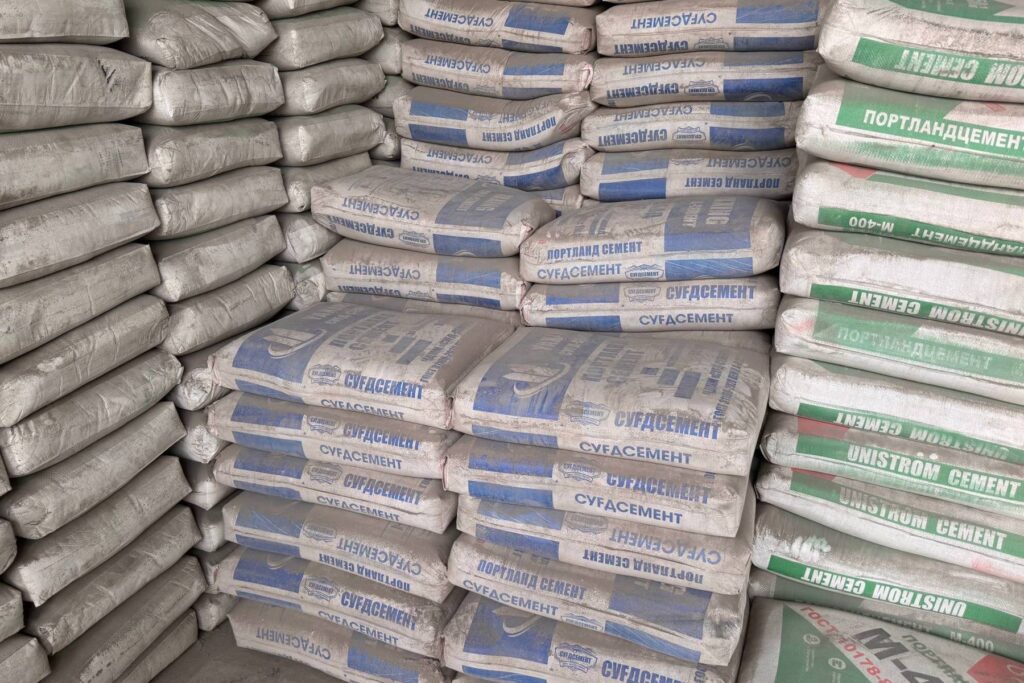
Interestingly, there is now almost no significant difference between local and imported cement. According to sellers, cement imported from Tashkent is sold at roughly the same prices.
Khorog: Cement Unavailable for Almost a Month
The situation is especially dire in the Gorno-Badakhshan Autonomous Region. Truck drivers transporting building materials to Khorog report being forced to wait several days in queues at wholesale cement warehouses.
According to Khorog residents, there has been almost no cement available in the city’s markets for about a month. Even if individual batches arrive in the region, they often do not reach retail — the product is snapped up directly from warehouses or straight from trucks based on prior agreements.
Local residents note that the price of a single bag had already exceeded 70 somoni, and now, they speculate, it might be approaching 90 somoni.
Reasons for the Shortage
Sellers, suppliers, and construction industry representatives cite several reasons for the cement shortage and rising prices in Tajikistan’s domestic market. One of the main reasons is the temporary reduction in production due to maintenance work at one of the country’s largest cement enterprises — Zhongtai Mohir Cement in Yavan.
The executive body of the state authority in the Yavan district confirmed that the enterprise indeed temporarily suspended work for equipment replacement.
Safohon Khomidov, a representative of Zhongtai Mohir Cement, told “Asia-Plus” that the plant was under maintenance for 18 days and has already resumed operations. According to him, during this period, the enterprise continued to sell cement from its warehouses.
“During the maintenance, we sold about 100,000 tons of cement. In the first 11 days of May alone, 49,350 tons of products were sold,” he noted.
Khomidov reported that the plant’s production capacity is 1.2 million tons of cement per year, with an actual production volume reaching 1.4 million tons. Additionally, the company’s enterprise in the Jaloliddini Balkhi district annually produces another 400,000–500,000 tons.
According to the company representative, the plant did not increase selling prices: a ton of cement costs 820–840 somoni, or 41–42 somoni per 50 kg bag.
A representative from Huaxin Gayur Cement also reported that the plant in the Khatlon region is operating normally after completing repairs in March.
“We produce up to 3,000 tons of cement per day. For the Bokhtar region, the price is 1,020 somoni per ton, or 51 somoni per bag,” the source noted.
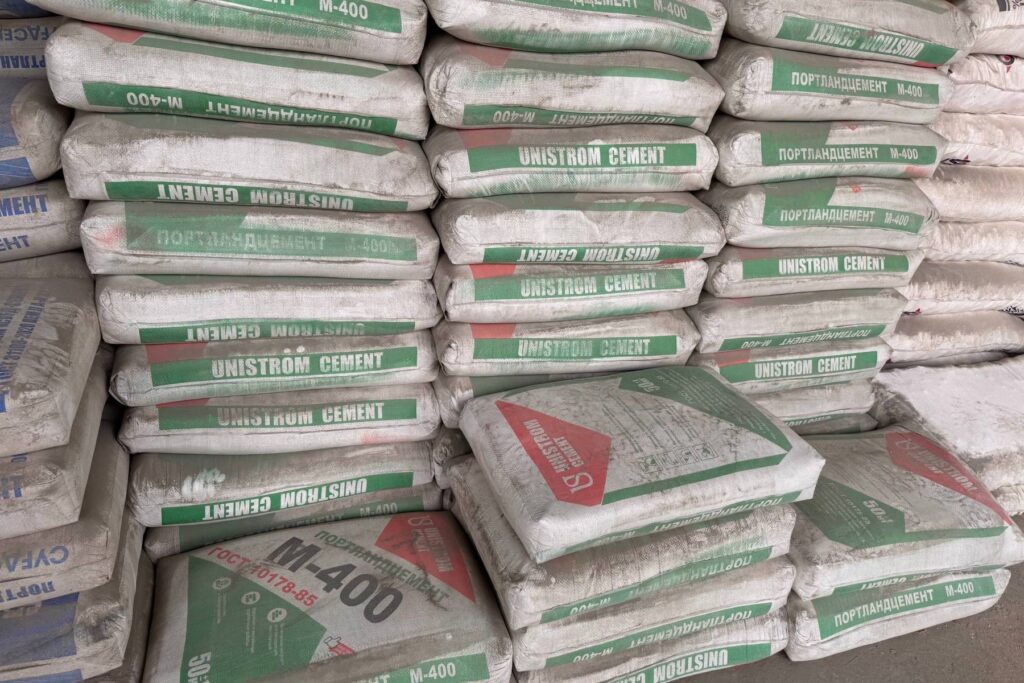
The company believes that the shortage arose due to the simultaneous shutdown of several plants for maintenance and the temporary reduction in supplies amid high demand. At the same time, the plant receives many calls from different regions of the country about the rising cost of cement, although the manufacturers themselves have not raised prices.
Market participants also associate the rise in demand with large-scale construction of housing, roads, and infrastructure projects in Tajikistan, as well as an increase in exports to Afghanistan, where buyers are willing to pay higher prices. Among residents, there is also talk of increased demand for cement following heavy rains and mudslides in April–May, which prompted restoration work in several regions of the country.
Furthermore, there are rumors circulating about the formation of strategic cement reserves and possible informal restrictions on production volumes for certain enterprises.
Experts note that the current supply volumes are no longer keeping up with the growing needs of the regions, and the cement shortage is gradually becoming a nationwide issue.