DUSHANBE, March 19, 2012, Asia-Plus — The Government of Japan, in the framework of the Grant Assistance for Grass-roots Human Security Projects, has granted two projects: a water project in the city of Kulob and a health project in the Farkhor district.
According to the Embassy of Japan in Dushanbe, the grant amount of these projects is totally US$212,524. Both of projects have been successfully completed.
On March 16, Mr. Hiroyuki Imahashi, Ambassador, Embassy of Japan in Dushanbe and Mr. Abdughaffor Rahmonov, Mayor of Kulob attended a handover ceremony of “The Project for Construction of Drinking Water Channel in Zarbdor Jamoat, Kulob City” in the Somoniyon settlement, Zarbdor jamoat of the city of Kulob.
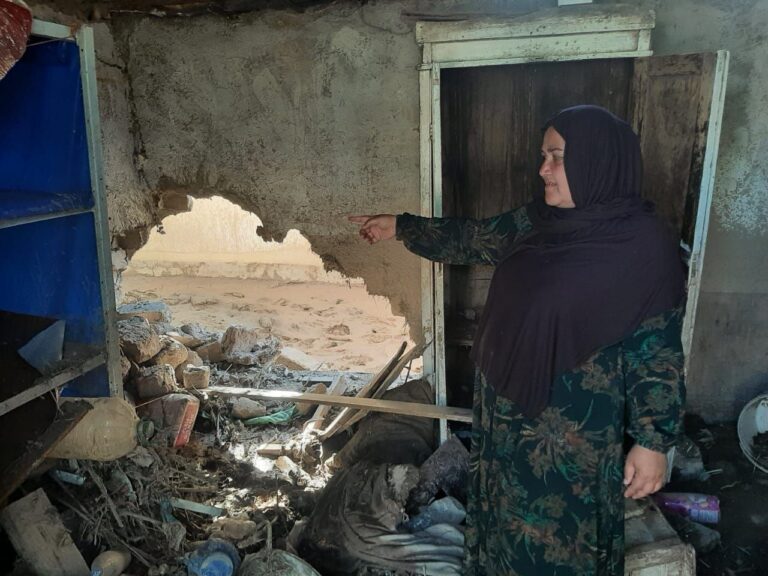
The flood that occurred in Kulob in May 2010 damaged a lot of households and victims were allocated in newly established settlement. The Government of the Republic of Tajikistan constructed new houses for around 600 households in the settlement. However, people in the new settlement have faced the lack of drinking water. Instead of clean water, they had to use portable unsafe water which could cause infectious diseases.
In the framework of the project, the drinking water system was constructed by installation of water pipelines with the length of 3.2 kilometers. Also two water pumps with the total capacity of 200m3/hour were constructed. Now over 7,000 people from five villages including the new settlement for victims in the Kulob area have access to clean drinking water. Public facilities such as schools and health centers in the area can get access to safe drinking water as well. The project is expected to play an important role to decrease infectious diseases and improve the living condition of the people affected by the natural disaster in Kulob area.
On the same day, afternoon Ambassador Imahashi and Mr. Qurbonboi Karimov, Chairman of Farkhor District attended a handover ceremony of “The Project for Improvement of the Department for Infectious Diseases of Central Hospital in Farkhor District.” The ceremony took place in the Farkhor central district hospital.
Constructed in 1970, the facility of infectious department of Central hospital in Farkhor has never been rehabilitated and only half of building was used for the medical treatment. Moreover, crumbled walls and floors and over aged roofs as well as lack of medical equipment made the hospital difficult to provide appropriate medical treatment.
The hospital building was rehabilitated and important medical equipment for the treatment of infectious disease such as sterilizer and thermostat was provided through the project. Improvements of medical condition of infectious department will prevent infectious diseases in the Farkhor district. As a result, the hospital will be able to provide appropriate medical treatment to more than 1,000 patients in this area annually.
Grant Assistance for Grass-roots Human Security Projects (GGP) is provided to local governments, educational/ medical institutions and International NGOs in developing countries. GGP supports projects in the human security sectors at the grassroots level. Since 1996, GGP has extended more than US$ 21.1 million for 282 projects in Tajikistan.