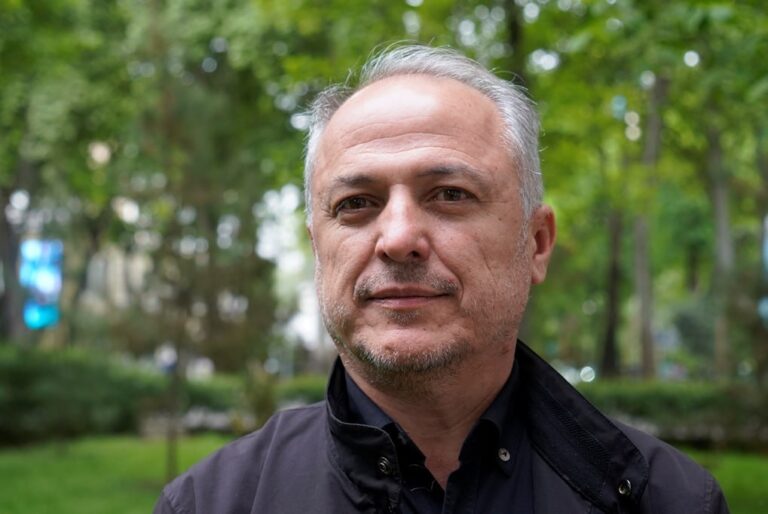
DUSHANBE, September 22, 201, Asia-Plus — Deadly clashes between armed extremist group and government forces in Rasht district show existence of a certain crisis in development of the country and society, Tajik political scientists Rashid Ghani Abdullo said.
In his opinion, such events result from difficulties of adaptation of society to new conditions that are being established in the country. “We live in one time, while actions of those authorized to make decisions are dictated by realities of the other, far-off times,” said the expert, “There ought to realize that peace in the country is not a static but an active process of seeking and opportunely finding correct solution to as many problems, issues and challenges caused by the process of development of the country and society.”
“The events of the past month — from the August 23 jailbreak in Dushanbe to the deadly clashes in Rasht – have exposed shortcomings in the professional activity of the state structures,” Rashid G. Abdullo said, noting that one of key reasons for that situation is a legal nihilism that has acquired wide-spread nature in Tajik society since the early 1990s, being present among all sections of Tajik society.
The legal nihilism is one of the most dangerous threats to Tajik statehood, he stressed.
Asked about the possibility of request for sending peacekeeping troops of the Collective Security Treaty Organization (CSTO), the expert said that by making request for troops from outside for stabilization of the situation inside the country the government would show itself helpless. “No external forces, especially armed forces, are able to promote settlement of problems that have purely internal roots,” said the political scientist, “Moreover, enlisting external support will most likely aggravate the situation rather than improve, because there is no guarantee that these forces will not act in the interest of their own governments that may not coincide with the interest of Tajik authorities.”
Rashid Ghani Abdullo added that Tajik authorities have still been able to successfully cope with emerging crisis political situations and expressed hope that they would be able to settle that crisis situation as well.