Stability in Tajikistan directly depends on labor migrants’ remittances, says Tajik political scient

DUSHANBE, February 17, 2011, Asia-Plus  — Stability in Tajikistan directly depends on economic stability in the Russian Federation, Tajik political scientist Doustmuhammad Doust said. According to him, if Russian authorities do not tighten its migration legislation and do not restrict activities of Tajik labor migrants working in Russia, which is the main destination country for […]

Rasoul Shodon

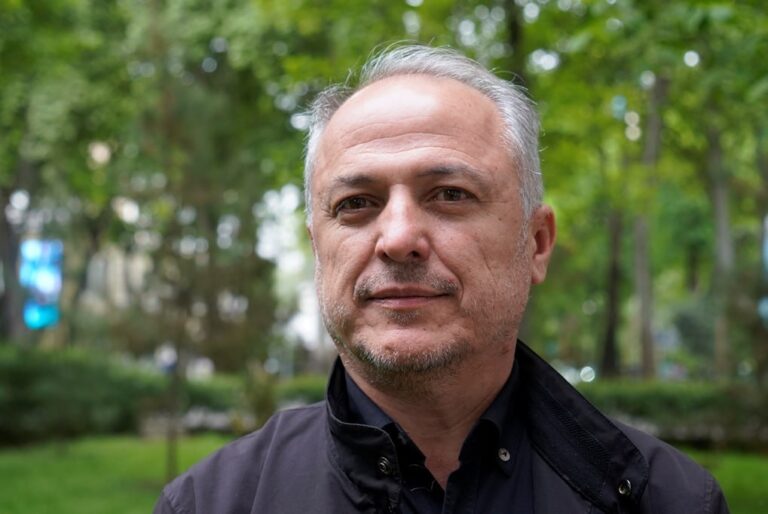
DUSHANBE, February 17, 2011, Asia-Plus  — Stability in Tajikistan directly depends on economic stability in the Russian Federation, Tajik political scientist Doustmuhammad Doust said.

According to him, if Russian authorities do not tighten its migration legislation and do not restrict activities of Tajik labor migrants working in Russia, which is the main destination country for Tajik labor migrants, no food riots or shocks will hit Tajikistan.

“Economic and social stability in Tajikistan depends to a large extent on labor migrants who remit money to banks in the country for their families,” the political scientist noted.

He added that it was impossible to predict today that rising food prices would seriously impact stability in the country and lead to increase in the number of the poor in Tajikistan.

Mr. Doust believes that prices at the country’s bazaars depend on illicit dealers rather than on the world market trends.  “Illicit dealers artificially raise food product prices,” said he, “Current prices at Tajikistan’s markets are so high that you do not see such prices even in the advanced countries.”        

Labor migrants are the critical component in the economy of Tajikistan.  Experts say remittances keep many families in the country above the poverty line and help to alleviate the stress caused by a lack of domestic job opportunities.

According to official figures, an estimated 600,000 Tajik seasonal workers travel abroad each year, primarily to Russia.  Meanwhile, Russia’s Federal Migration Service (FMS) reports that more than 1 million Tajik labor migrants are working in the Russian Federation.

The National Bank of Tajikistan (NBT) says labor migrants have remitted 2.1 billion U.S. dollars to banks in Tajikistan over the first eleven months of 2010.    

Article translations:

Related Articles

Оби зулол

Most Read

Join us on social media!

Recent Articles

Emomali Rahmon accepted the credentials from new ambassadors

Nine countries have sent new diplomats to Tajikistan.

Russia evacuated 27 Tajikistan citizens from Iran

They worked at the Bushehr nuclear power plant, built by the Russian Federation in Iran.

Baku to host WUF13: shaping the future of sustainable urbanization

Baku, the capital of Azerbaijan, is set to host...

How the Energy Industry Began in Tajikistan 100 Years Ago

We have prepared a historical photo series for you.

Tajikistan and Belarus to establish a joint laboratory for radiation monitoring and nuclear safety

An agreement was signed by the Tajikistan Agency for Nuclear and Radiation Safety and the Belarusian National Technical University.

Former Press Secretary of Emomali Rahmon Sent a Letter to the President Requesting Support for Media Workers

Zafar Sayidzoda believes it is necessary to establish a Media Support Fund, which should operate in the interests of all media — both state and private.

Neither War nor Peace: What Will Be the Next Step for Iran and the US After the Failure of Negotiations?

Tajik experts say that Iran has another leverage that could pose a serious threat to the Trump administration.

In Dushanbe, a criminal group issuing SIM cards and bank cards to fictitious persons was exposed

Through illegally issued plastic cards, the suspects were withdrawing money from an online casino game.

The eKhonish program, an analogue of eDonish, launched in Bokhtar

Now parents and education representatives will be able to remotely monitor students' attendance and academic performance.

#AP30/Experts. Rashid Ghani Abdullo: “Asia-Plus” has become a brand of Tajikistan

A well-known Tajik political scientist expressed his opinion on the role of our media in the informational space of the country and the region.