Public Council was established against UTO, says Turajonzoda

DUSHANBE, April 28, 2011, Asia-Plus — “The Public Council of Tajikistan was established in the midst of the civil confrontation in the country just against the United Tajik Opposition (UTO).  By establishing this council the authorities wanted to show to international community that many political parties, public associations and clerics in the country are supporters […]

Avaz Yuldoshev

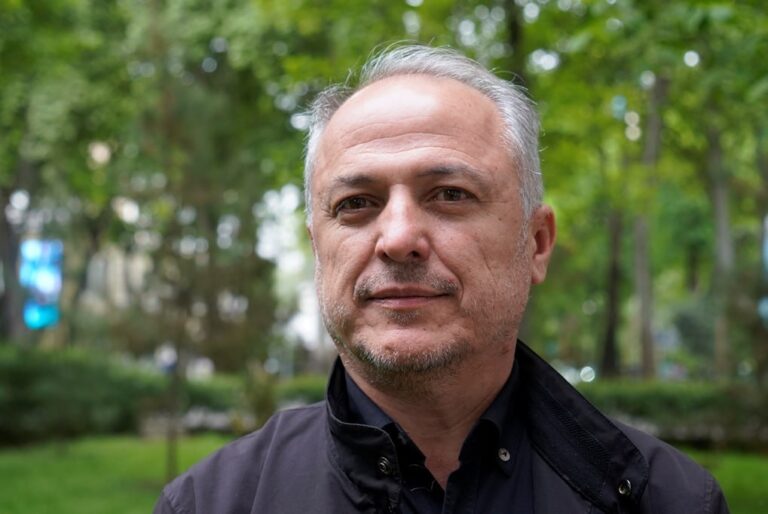
DUSHANBE, April 28, 2011, Asia-Plus — “The Public Council of Tajikistan was established in the midst of the civil confrontation in the country just against the United Tajik Opposition (UTO).  By establishing this council the authorities wanted to show to international community that many political parties, public associations and clerics in the country are supporters of constructive and peaceful dialogue with the government,” known Tajik religious leader and politician Hoji Akbar Turajonzoda told Asia-Plus in an interview.

Today, there is no need for the Public Council, because it does discuss and resolve any acute problems facing Tajik society, he noted.  According to him, there have been no any real discussions on serious subjects during the Council’s meetings.

“I have never been member of the Public Council, but according to some of its members, the Council meets one or twice a year just for the sake of appearances, while president’s participation in work of the Council reminds me of one gate game (one-way street).  The president usually speaks on any subject and leaves, without knowing opinions of the Council members,” Turajonzoda said.       

The Public Council of Tajikistan was established in April 1996 on the basis of the Public Accord Agreement signed first on March 9, 1996 for the period of three years by pro-government political parties and NGOs in a show of support for the peace process.  It was prolonged for further three years in 1999.

The Public Council now comprises representatives of state bodies, political parties, religious organizations and civil society.  Seven of eight officially registered political parties of the country were represented in the Public Council; the Social Democratic Party (SDPT) has never been member of the Public Council.  The Public Council established the Social partnership Club, which brings together some 70 representatives of the Public Council to discuss and find consensus on pressing social issues.

The Islamic Revival (IRP) and Democratic (DPT) parties decided to withdraw from the Public Council of Tajikistan in March 2010 in protest against the official results of the February 28 parliamentary elections in the country.

Article translations:

Related Articles

Оби зулол

Most Read

Join us on social media!

Recent Articles

Emomali Rahmon accepted the credentials from new ambassadors

Nine countries have sent new diplomats to Tajikistan.

Russia evacuated 27 Tajikistan citizens from Iran

They worked at the Bushehr nuclear power plant, built by the Russian Federation in Iran.

Baku to host WUF13: shaping the future of sustainable urbanization

Baku, the capital of Azerbaijan, is set to host...

How the Energy Industry Began in Tajikistan 100 Years Ago

We have prepared a historical photo series for you.

Tajikistan and Belarus to establish a joint laboratory for radiation monitoring and nuclear safety

An agreement was signed by the Tajikistan Agency for Nuclear and Radiation Safety and the Belarusian National Technical University.

Former Press Secretary of Emomali Rahmon Sent a Letter to the President Requesting Support for Media Workers

Zafar Sayidzoda believes it is necessary to establish a Media Support Fund, which should operate in the interests of all media — both state and private.

Neither War nor Peace: What Will Be the Next Step for Iran and the US After the Failure of Negotiations?

Tajik experts say that Iran has another leverage that could pose a serious threat to the Trump administration.

In Dushanbe, a criminal group issuing SIM cards and bank cards to fictitious persons was exposed

Through illegally issued plastic cards, the suspects were withdrawing money from an online casino game.

The eKhonish program, an analogue of eDonish, launched in Bokhtar

Now parents and education representatives will be able to remotely monitor students' attendance and academic performance.

#AP30/Experts. Rashid Ghani Abdullo: “Asia-Plus” has become a brand of Tajikistan

A well-known Tajik political scientist expressed his opinion on the role of our media in the informational space of the country and the region.