DUSHANBE, June 30, 2011, Asia-Plus — Nations in Transit 2011, the latest edition of Freedom House’s annual assessment of democratic development in Central and Eastern Europe and the former Soviet Union, notes that the authoritarian countries of the former Soviet Union have built governance systems that are resistant to reform and therefore increasingly vulnerable to unpredictable crises of the sort recently seen in the Middle East and North Africa.
“The recent upheaval in the Middle East should raise real questions among authoritarian, seemingly entrenched regimes in the former Soviet countries,” said David J. Kramer, president of Freedom House. “While the case for meaningful reform in these countries is clear, the non-democratic regimes in the region are heading in the wrong direction and run the risk of suffering the fate of their counterparts in Egypt, Tunisia, and Syria.”
Nations in Transit examines democratic development in the countries of Central and Eastern Europe, the Balkans, and the former Soviet Union. The latest edition assesses developments that occurred in 2010 and assigns each country a set of democracy scores based on performance on key indicators.
According to the report, Tajikistan in 2010 remained the poorest and perhaps the most obscure nation among the post-Communist states of Eastern Europe and the former Soviet Union. Major powers, some of which are normally eager to promote democratic norms, continued to regard Tajikistan, with its harsh terrain and difficult-to-tap resources, in mainly geo-strategic terms—as an entity that could offer “unfettered over flight and transit” to Western forces bound for Afghanistan and serve as a “buffer state” against extremism, terrorism, and drug trafficking.
It notes that the brewing instability that led government forces and armed militants to clash in the latter half of 2010 may continue and intensify in 2011, with the government’s heavy-handed policies on arrest, prosecution, and imprisonment of suspected Islamists potentially becoming counterproductive and exacerbating extremism.
“At the same time, the possible discovery of significant natural gas resources may generate state revenue and foster internal security.
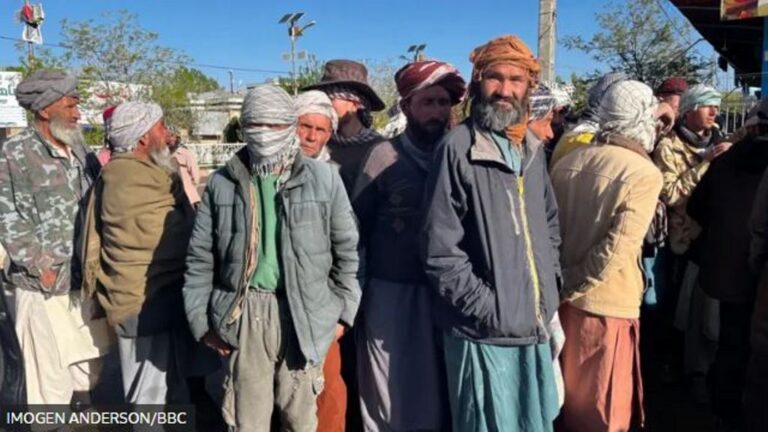
“Externally, given the ongoing global economic recovery, the one million economic migrants working mostly in Russia will send over US$2.5 billion in remittances to their families in Tajikistan and continue to serve as a key source of sustenance for millions.
“In the south, speculation on an eventual pullout of U.S.-led NATO troops from Afghanistan could lead to increased clashes and the entry into Tajikistan of militant groups involved in the Afghan conflict, including members of the Islamic Movement of Uzbekistan. If the Tajik government, Russia, Western powers, and international organizations continue to prioritize perceived security interests while neglecting basic human rights and democracy, they will only slightly prolong a short-lived and artificial stability.”
Freedom House is an independent watchdog organization that supports democratic change, monitors the status of freedom around the world, and advocates for democracy and human rights.