DUSHANBE, September 12, 2014, Asia-Plus — The 13-year-old Shanghai Cooperation Organization (SCO) has grown into a dynamic platform for regional interaction and is entering a phase of broader cooperation, Russian experts said.
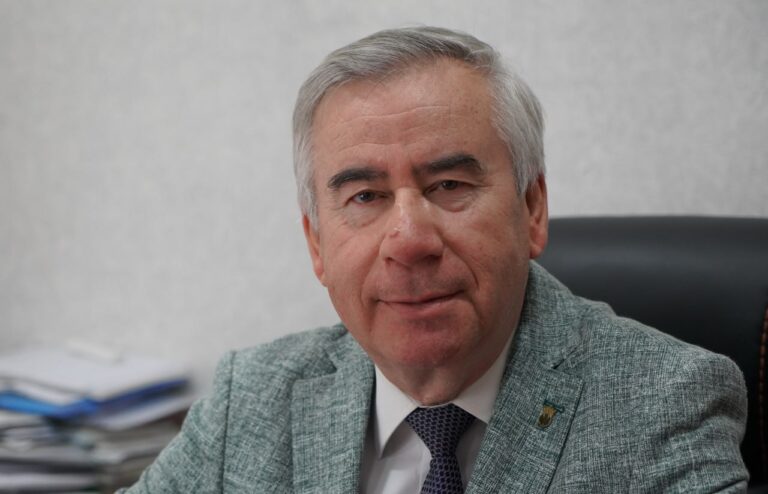
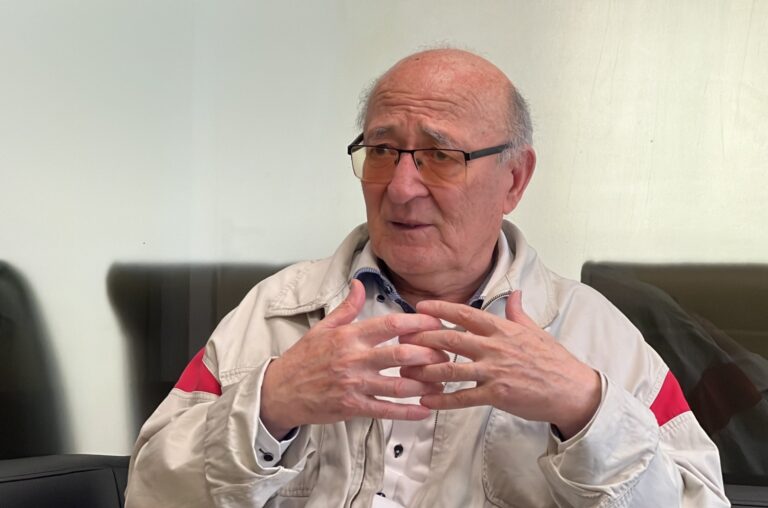
“If we look at the SCO as a whole, its advance is obvious,” Sergei Lousianin, deputy director of Russia”s Far East Institute, told Xinhua as an SCO summit is being held in Dushanbe, the Tajik capital.
The organization has been gaining influence in recent years and has attracted a number of countries to join it or lift their status within it, he said.
Atop the agenda of the summit could be issues concerning security and economic cooperation as well as the SCO”s expansion, which “undoubtedly is good news for those who want to stay closer to the organization,” said Sergei Kanavsky, executive secretary of the SCO Business Council.
Against the backdrop of the upcoming withdrawal of Western forces from Afghanistan, where threats of terrorism and extremism persist along with raging drug trafficking, the SCO will further enhance security cooperation, the experts said.
Yet, by no means will the organization intervene in Afghan affairs with armed forces as it is not a military-political bloc, Lousianin said.
He said he believed it was the right time to give the Tashkent-based SCO anti-terror center more power, especially that of anti-drug nature.
Denis Tyurin, director of the SCO Business Club, said the organization could offer economic aid to Afghanistan and launch a negotiation mechanism involving conflicting parties of that country under the SCO framework.
While acknowledging that economic interaction has yielded substantial results, the experts said multilateral cooperation still has much potential to tap.
“The SCO is leading a new type of economic relations … The advantage of the cooperation lies in project cooperation,” Kanavsky said, hailing the openness and inclusiveness of the organization.
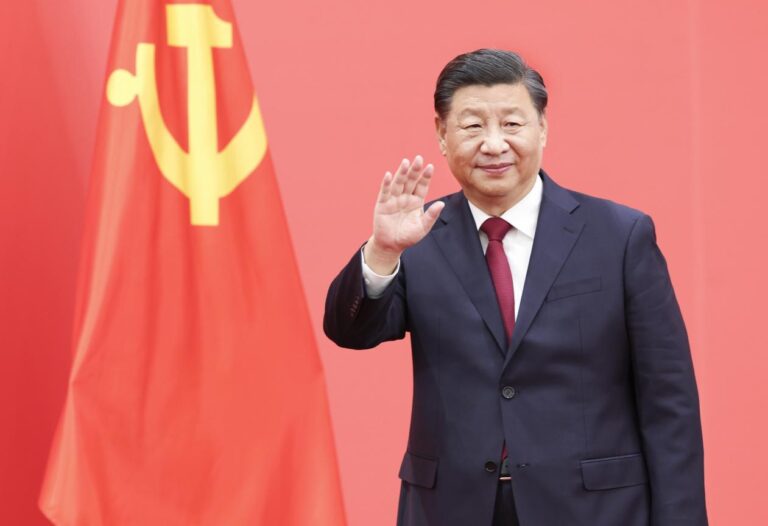
He also praised Chinese President Xi Jinping”s initiative to build the Silk Road Economic Belt, which involves dozens of countries spanning Eurasia with a combined population of 3 billion, saying China has “fully and transparently” explained its concept.
Lousianin echoed the opinion that the belt could boost multilateral cooperation, and said cooperation within the SCO organically corresponds with that within the Eurasian Economic Union, which is set to be launched by Russia, Kazakhstan and Belarus on Jan. 1, 2015.
“Eurasia is a common field for integration and cooperation,” he said.
Another thing that pulls SCO members closer is the 70th anniversary of the end of World War II.
Their common victory should not only be celebrated as a victory over German Nazism, but also as a defeat of Japanese militarism, Lousianin said.
The experts agreed that cultural cooperation has been developing rapidly, with the SCO University – a network of existing universities in SCO member states and observer states – being the flagship project.
About 100 universities from SCO member countries have been included in people-to-people exchange programs.
The experts said the countries should also realize such proposals as building a SCO TV station and creating art and film festivals, adding that cultural cooperation could become “one of the most promising fields.”