DUSHANBE, July 30, 2015, Asia-Plus — The eighth and final regional consultation in preparation for the World Humanitarian Summit (to be held in Istanbul in May 2016) came to a conclusion in Dushanbe on July 30.
According to press release issued by OCHA, the Executive Director of the World Food Programme, Ms. Ertharin Cousin; Assistant Secretary-General for Humanitarian Affairs, Ms. Kyung-wha Kang; and the Chief of the World Humanitarian Summit secretariat, Dr. Jemilah Mahmood were among the high-level contributors to the event.
The three-day consultation was hosted by the Government of Tajikistan and the Aga Khan Development Network (AKDN).
The consultation reportedly prioritized contributions from representatives of affected communities. Participants also included representatives of government, civil society organizations, youth, academia, private sector, the Red Cross/Red Crescent movement, international NGOs and UN agencies from across South and Central Asia.
“It was a privilege to hear the voices of people affected by humanitarian crises featured in these discussions,” said Ms. Kang. “Communities themselves must be involved in all aspects of preparedness and response, integrating the engagement of women and children throughout.”
Almost 200 participants joined discussions around how humanitarian action differs in disasters, conflict and protracted crises. “It has been an exciting few days to hear participants speak about a ‘whole of society’ approach,” said Dr. Mahmood. “I am pleased to hear the call for developing countries to take stronger decision-making and leadership roles in humanitarian action.”
Recommendations highlighted the need for radical change in how humanitarian work is financed. ASG Kang noted, “In natural disasters, we need better risk-financing including insurance schemes. Working in protracted crises, requires much closer linkages between humanitarian and development investments. More flexible and agile funding mechanisms are needed to respond to quickly escalating needs in conflict situations.”
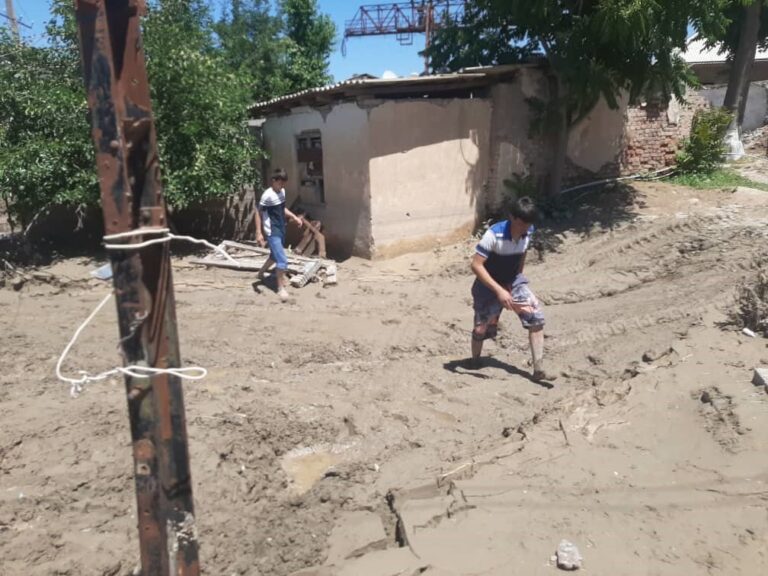
The long spell of unusually high temperatures and melting glaciers currently causing mudflows and flash floods in Tajikistan gives particular relevance to recommendations regarding the impacts of climate change as a growing challenge for humanitarian action.
Dr. Mahmood commented that she was particularly pleased to see some bold ideas coming from the participants. “These and the other issues raised over the last three days will help form the basis of the agenda for next year’s World Humanitarian Summit.”