Pakistani authorities expected to release National Geographic’s ‘Afghan girl’ on bail

Afghan news agency Khaama Press reports the Pakistanis authorities are expected to release National Geographic’s ‘Afghan girl’ on bail. The Pakistani Interior Minister Chaudhry Nisar Ali Khan has reportedly said the Afghan woman Sharbat Gula will be released on bail as he called the officials as real culprits who issued the fake identity card to […]

Asia-Plus

Afghan news agency Khaama Press reports the Pakistanis authorities are expected to release National Geographic’s ‘Afghan girl’ on bail.

The Pakistani Interior Minister Chaudhry Nisar Ali Khan has reportedly said the Afghan woman Sharbat Gula will be released on bail as he called the officials as real culprits who issued the fake identity card to her.

“I think I will have to review this case because she is a woman and we should see it from a humanitarian angle,” Khan said.

However, he said “If we withdraw charges against her, deport her, or give her a temporary visa to leave Pakistan, then we will have to take back cases against the officials who issued her fake ID card.  They are the real culprits, and I do not want to let them off the hook in any manner.”

A Pakistani court on October 29 sent the iconic Afghan girl Sharbat Gula to jail on 14-day remand as she appeared before the Judicial Magistrate after charged with having fake Pakistani identity card.

The Pakistani authorities reported on October 27 that Sharbat Gula was arrested on October 26 and is in custody for further investigation regarding the alleged forgery in producing the Pakistani identity card.

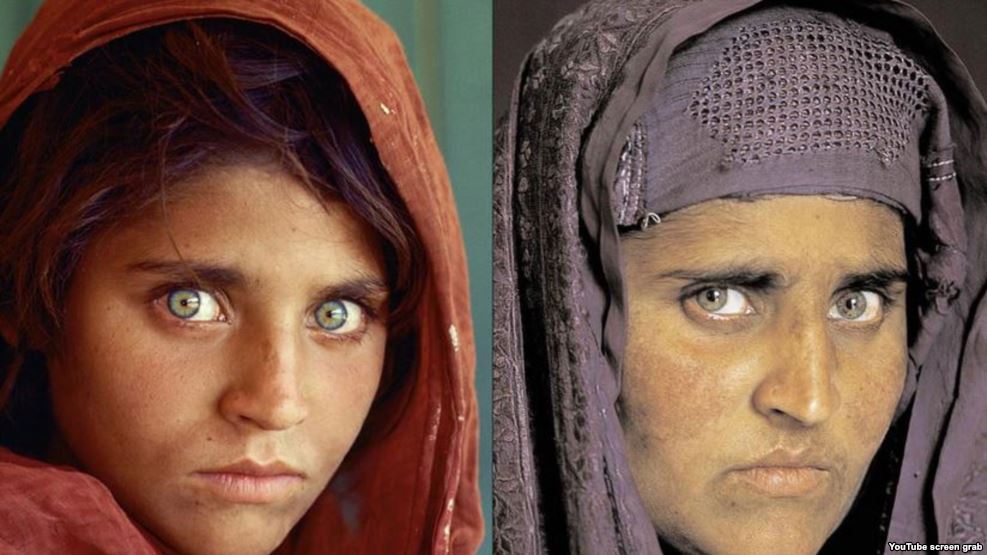
Gula gained global recognition when her photograph was featured on National Geographic Magazine’s cover in 1985 and was linked with Leonardo Da Vinci’s Mona.

She has been residing together with her sons in Nasir Bagh camp established for Afghan refugees since she moved to Peshawar in 1984.

Sharbat Gula was 12 years old when she was photographed by Steve McCurry in a refugee camp in Pakistan, in December 1984.  The haunting image of the green-eyed girl became an international symbol of refugees and of political and social unrest in the region.  It has been widely reproduced, making her one of the most recognizable non-celebrity faces of the 20th century.   
Article translations:

Related Articles

Оби зулол

Most Read

Join us on social media!

Aura

Recent Articles

Emomali Rahmon: “Mountain ecosystems of Tajikistan play a key role in the sustainable development of the region”

The President of the Republic of Tatarstan spoke at the Regional Environmental Summit taking place in Astana.

Tajikistan’s economy grew by 8% in the first quarter of 2026

The main drivers remain agriculture, industry, and construction.

Tajikistan to be Represented by Ten Athletes at the 2026 Asian Beach Games

The games will take place from April 22 to 30 in the Chinese resort city of Sanya.

Protection of depositors’ interests is our concern, – Deposit and Savings Insurance Fund of Tajikistan

The main task of the Fund is to protect the interests of depositors and strengthen public confidence in the country's banking system.

Ambassador of China: China remains the main investor in Tajikistan

Interview with the Ambassador of China to Tajikistan, Mr. Guo Zhijun.

A23a is done: the legendary giant iceberg has almost disappeared, losing 99% of its area

The giant is "ending the story," rapidly disintegrating in open waters.

Budget Travel and Service Issues: How to Make Traveling in Tajikistan Affordable for Tajik Citizens?

The State Committee for Tourism explained why domestic tourism in Tajikistan is more than just an alternative to trips abroad.

Tajikistan’s potato imports from Kazakhstan increase 257 times

The surge is linked to the lifting of the temporary export ban to Kazakhstan.