The Tajikistan: Promoting Export Diversification and Growth study released by the Asian Development Bank (ADB) in August 2016 says Tajikistan’s electricity system is strained financially by low tariffs, poor collection, and large receivables from major consumers, including TALCO.
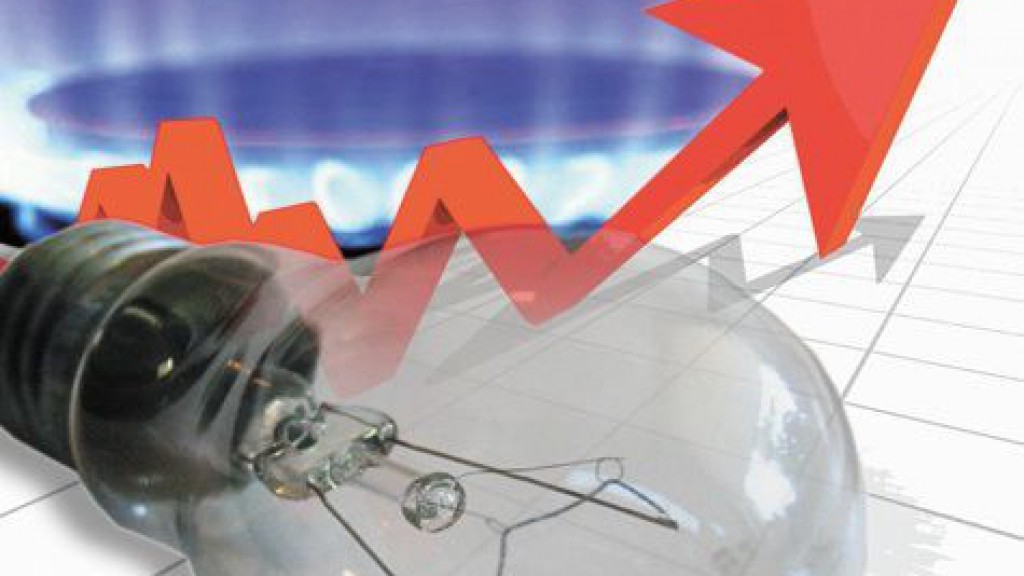
The study notes that Tajikistan’s electricity prices were kept very low until 2007, and while they have gradually increased since then, the prices are still below the cost of supply and remain among the lowest in the world. At $0.023 per kilowatt-hour, the current residential tariff is half that of Uzbekistan’s and 20% of Moldova’s. Although the Asian Development Bank (ADB) provided significant financial and technical assistance, the needed major rehabilitation of the dilapidated power system and adding of new capacity would require higher tariffs to cover the full cost of expansion.
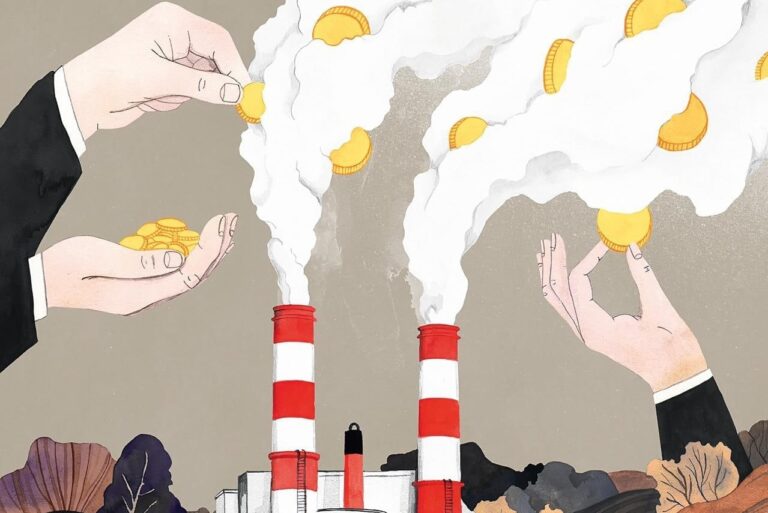
Electricity is subsidized to the extent that during 2007–2010, it took up 68% of state budget allocations to utility assistance programs, according to the study.
These highly subsidized and below cost-recovery tariffs, combined with winter shortages, reportedly result in huge economic losses of around $200 million a year or 3% of GDP (World Bank 2012). Shortages have been aggravated by a political rift with Uzbekistan, which has effectively stopped its energy trade with Tajikistan since 2009.
To reduce the winter shortages, the government needs to take measures to improve energy efficiency on the demand side in addition to supply expansion. On the demand side, energy prices need to reflect the full cost of supply, which would then encourage electricity consumers to use it more efficiently. Measures should also be taken to avoid losses and minimize excessive usage. Governance at TALCO needs to be improved with the end in view of using electricity more efficiently. Likewise, efficiency improvements on the supply side could include controlling corruption and mismanagement and increasing generation capacity at power plants. Along this line, the government should also take steps to minimize the quasi-fiscal deficits of state-run generator Barqi Tojik by addressing weakness in its billing and collection mechanisms.
In the long run, Tajikistan needs to generate more electricity through hydropower to improve the overall business environment and thereby address the problem of low private investment. However, this will require substantial investment as well as reliable markets for summer exports—a challenge that would require careful planning and coordination of the country’s legal, institutional, and fiscal infrastructure.
This is because the capital investment required for constructing and upgrading Tajikistan’s hydropower plants is far higher than the government’s capacity to borrow, and this will be complicated further by the fact that the revenues to be generated by the energy utilities will come from tariffs lower than the cost of production.
The lack of provisioning for uninterrupted and sufficient power supply is a critical constraint for growth in Tajikistan. The government therefore needs to focus on maximizing efficiencies at its existing hydropower plants and minimizing transmission losses. On top of this, it needs to rationalize electricity tariffs and subsidies so it can provide electricity to as many productive stakeholders as possible rather than skewing the supply to a few preferred heavy power users.