In response to a series of floods that wreaked havoc across large parts of Tajikistan in mid-May, the European Union is providing EUR 80,000 (close to 920,000 Tajik Somoni) in humanitarian aid funding to assist the most vulnerable communities.
According to the EU Delegation to Tajikistan, the aid will directly benefit some 1,700 heavily affected people in some of the hardest hit localities in Khushoniyon and Khuroson districts, Khatlon province.
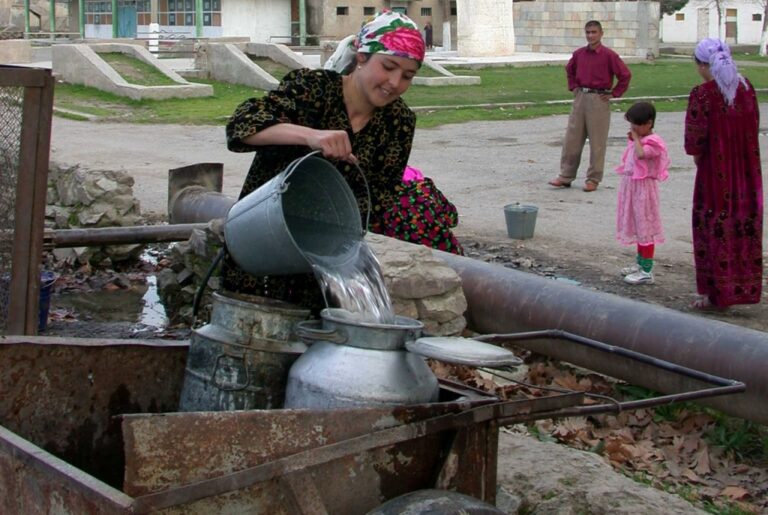
This EU-funding supports the Red Crescent Society of Tajikistan (RCST) in delivering much-needed assistance through the distribution of kitchen sets and household kits, which include kitchen pots, mattresses, blankets, bed linens, plastic buckets and plastic sheeting. In addition, families whose homes have been destroyed or severely damaged will receive cash grants to enable them to meet their most pressing needs. As water-borne diseases are common in the aftermath of a flood, hygiene promotion campaigns, as well as essential hygiene items, will also be provided to ensure good hygiene practices are well maintained during the recovery period.
The funding is part of the EU’s overall contribution to the Disaster Relief Emergency Fund (DREF) of the International Federation of Red Cross and Red Crescent Societies (IFRC).
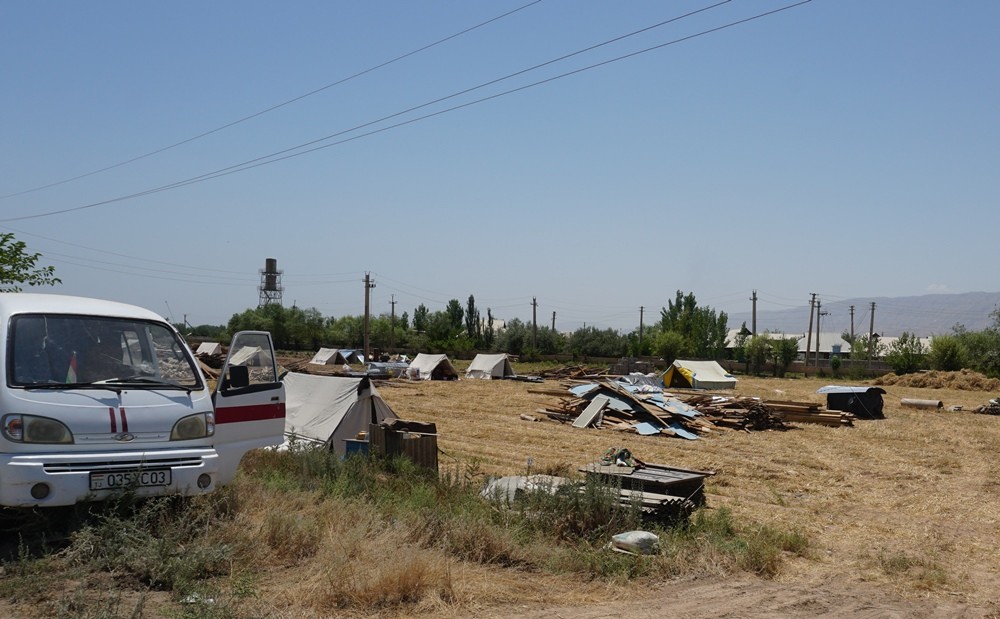
Between 14 and 16 May, torrential rains caused a series of floods and mudflows in many parts of Tajikistan, affecting over 2,600 people and damaging an estimated 1,000 houses, some of which were completely destroyed. As a result of the floods, the impacted communities have lost their food supplies, personal assets and agricultural lands, which are the main source of livelihood in this predominantly agricultural region. The southwestern province of Khatlon was among the worst affected regions.
The European Union together with its Member States is the world's leading donor of humanitarian aid. Relief assistance is an expression of European solidarity towards people in need around the world. It aims to save lives, prevent and alleviate human suffering, and safeguard the integrity and human dignity of populations affected by natural disasters and man-made crises.
Through its European Civil Protection and Humanitarian Aid Operations (ECHO), the European Union helps over 120 million victims of conflicts and disasters every year. For more information, please visit ECHO's website.
The European Commission has signed a €3 million humanitarian contribution agreement with the International Federation of Red Cross and Red Crescent Societies (IFRC) to support the Federation's Disaster Relief Emergency Fund (DREF). Funds from the DREF are mainly allocated to “small-scale” disasters – those that do not give rise to a formal international appeal.
The Disaster Relief Emergency Fund was established in 1985 and is supported by contributions from donors. Each time a National Red Cross or Red Crescent Society needs immediate financial support to respond to a disaster, it can request funds from the DREF. For small-scale disasters, the IFRC allocates grants from the Fund, which can then be replenished by the donors. The contribution agreement between the IFRC and ECHO enables the latter to replenish the DREF for agreed operations (that fit in with its humanitarian mandate) up to a total of €3 million.