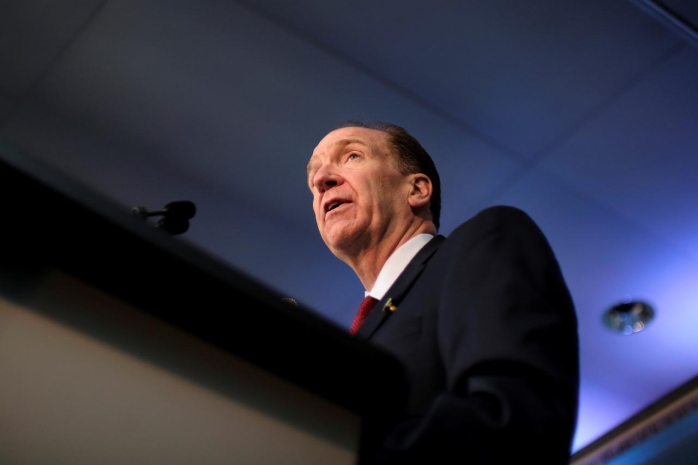
A virtual meeting of G20 finance ministers and central bank governors took place on July 18. In remarks released for this meeting, World Bank President David Malpass told G20 officials that they needed to “open the door” to talks on reducing the overall debt overhang for the poorest countries.
The virus and worldwide recession will lead to rising poverty in impoverished nations and debt burdens for some countries are rising to crisis levels, World Bank President said in his remarks.
According to him, people in developing countries are particularly hard hit by capital outflows, declines in remittances, the collapse of informal labor markets, and social safety nets that are much less robust than in the advanced economies.
The Debt Service Suspension Initiative (DSSI) that started in May and runs through the end of this year should be implemented in a transparent way by all official bilateral creditors, including national policy banks, Malpass said.
He highlighted the need for full participation by the China Development Bank. Borrowing countries participating in the plans have identified US$8.4 billion in eligible savings, he said.
“Even with these immediate steps – a longer suspension of debt payments; a DSSI scope that includes more debt and more official bilateral creditors; participation by commercial creditors; and the World Bank’s large positive net flows – many of the poorest countries won’t be able to make the resulting debt burdens sustainable in the medium term. The economic repercussions from the pandemic are expected to inflict lasting scars on growth through lower investment, erosion of human capital, and the retreat from global trade and supply linkages,” Malpass.
He urged the G20 to open the door to consultations about the debt overhang itself and effective ways to reduce the net present value of both official bilateral and commercial debt for the poorest countries.