Tajikistan, as one of the most remittance-reliant economies in the world, was hit particularly hard by the COVID-19 pandemic, the World Bank noted on November 20.
More than 80 percent of households in Tajikistan that receive remittances reportedly spend them primarily on food and other basic necessities. Remittances to Tajikistan are projected to decline by 15 percent in 2020.
When the pandemic struck, according to a World Bank survey, 41 percent of households reported that they had been forced to reduce their consumption of food, and 20 percent of families that they were unable to obtain medical care. The situation is threatening previously won gains in poverty reduction and has already worsened the state of food insecurity and malnutrition among struggling families. As a result of the crisis, Tajikistan is currently experiencing its slowest economic growth in two decades: growth in 2020 is estimated at 1.6 percent compared to 7.5 percent in 2019.
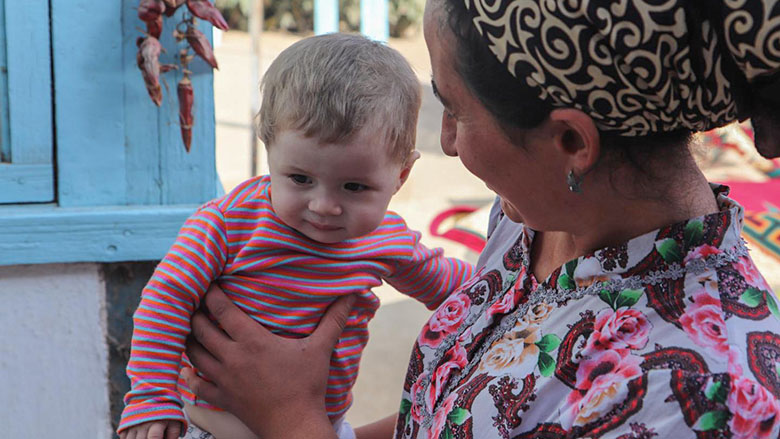
Through the Tajikistan Emergency COVID-19 Project (TEC-19), the World Bank is financing cash transfers, which have proven to be an effective tool to support the poor worldwide. The one-time cash assistance of 500 somoni (roughly $50) targets low-income families with young children under the age of three across the country to offset the impacts of the pandemic, such as increased prices and limited income opportunities. In partnership with UNICEF, the families also receive important messages about good nutrition and parenting practices that help children stay healthy and grow to their full potential during these difficult times.
The Tajikistan Emergency COVID-19 Project (TEC-19) is being financed by a $11.3 million grant from the World Bank and implemented by Tajikistan’s Ministry of Health and Social Protection and State Agency for Social Protection. It aims to support the country’s efforts to respond effectively to the health and social risks associated with the COVID-19 pandemic.
The emergency cash transfers will cover a total of over 50,000 households with young children under the age of three across Tajikistan, families that are enrolled in the Targeted Social Assistance (TSA) system due to their low-income status. The new TSA program supported by the World Bank has been expanded nationwide since July 2020.