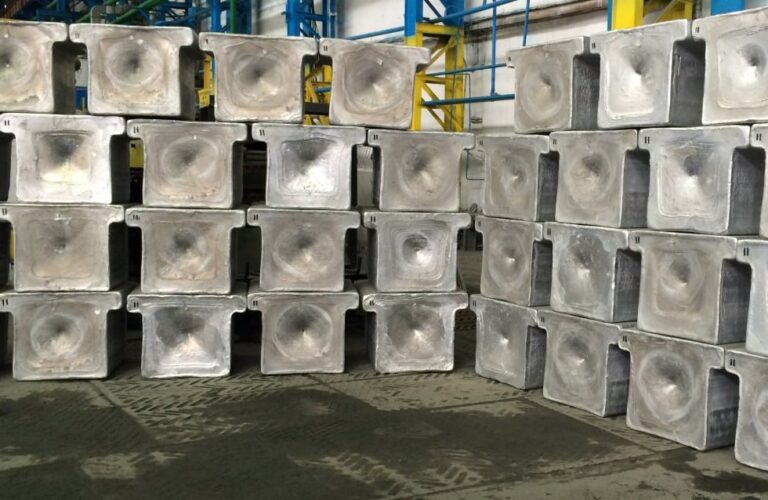
Radio Liberty says a high-ranking Afghan politician has found himself at the center of a scandal in Tajikistan involving US$15 million in cash and some 90 kilos of gold bars seized from smugglers at the Dushanbe airport in November.
Mohammad Mirza Katawazai, the deputy chairman of the Afghan parliament, reportedly rejects the claim by Afghan media that he is linked to the cash and gold.
According to Radio Liberty, the shock allegation was first made by Afghanistan’s 1TV channel, which said the powerful politician had been "behind the smuggling attempt" involving "dozens of kilograms of gold and millions of dollars" in cash that were discovered and seized by Tajik customs officials.
The channel reportedly dropped the bombshell claim on its primetime news program on February 27, the day Katawazai, 39, arrived in Dushanbe for an official visit. He was part of a parliamentary delegation led by Mir Rahman Rahmani, speaker of the Wolosi Jirga, the lower house of parliament.
Upon his arrival in Dushanbe, Katawazai faced questions by journalists asking him about the alleged links to smugglers and the confiscated loot.
“These [allegations] are all nonsense. I’m a politician, not a businessman,” he said on February 28.
Meanwhile in Kabul, the Afghan Interior Ministry told the 1TV channel that it has begun gathering information to launch a probe into the claims against Katawazai.
1TV said it obtained its information linking Katawazai to the smuggled money from multiple sources but didn’t disclose their identities. The broadcaster also didn't produce any evidence to back its claims.
The broadcaster reportedly also alleged that several other people — including police, local government officials, and customs services workers — have been involved in the smuggling.
“Katawazai wants to put a lid on the matter,” the TV channel said, alleging that his trip to Dushanbe was partially aimed at resolving the fate of the money and gold found by Tajik officials.
The politician had been desperately trying to prevent the news of his involvement in the scandal from becoming public, 1TV added.
According to the TV station, Katawazai’s one-on-one meeting with Saadi Sharifi, the Tajik ambassador in Kabul, on December 15, was part of the deputy speaker's efforts to resolve the issue.
According to 1TV, the fate of the smuggled precious metal and money was even discussed during at a February 14 meeting between Saimumin Yatimov, the Tajik state security chief, and Abdullah Abdullah, the head of the Afghan High Council for National Reconciliation.
When news of the unprecedented confiscation of cash and gold first broke in Tajikistan in November, suspicion fell upon Tajik politicians and businessmen.
Local media reported that family members of a former manager of the Shugnov gold mine in southern Tajikistan were involved in the smuggling. There was no comment from Tajik officials.
Authorities in Dushanbe broke their silence on February 18 when they announced the gold bars and money had been illegally transported from Afghanistan by a group of smugglers.
The Customs Service said the group attempted to send the cash and gold bars to the United Arab Emirates on a flight from the Dushanbe airport. But the goods were discovered and seized before they were loaded onto the plane.
Officials said three customs service employees at a Tajik-Afghan border crossing were detained and charged with "negligence" for failing to properly inspect the goods coming into Tajikistan.
The Customs Services said seven people have been detained in connection with the case. No names or further details were made public by authorities.