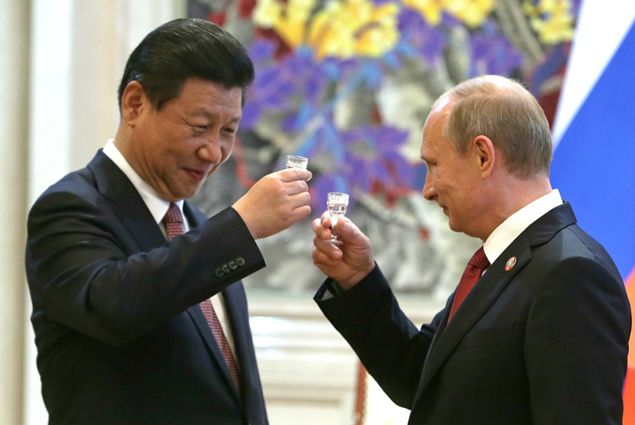
Moscow and Beijing did not agree on a common position on the Taliban, and therefore avoid forming a common agenda.
The cancellation of Putin's visit at the very last moment to Tajikistan for the SCO summit raised a number of questions and few believe that the reason for this may be the usual quarantine, which the head of the Russian Federation refers to.
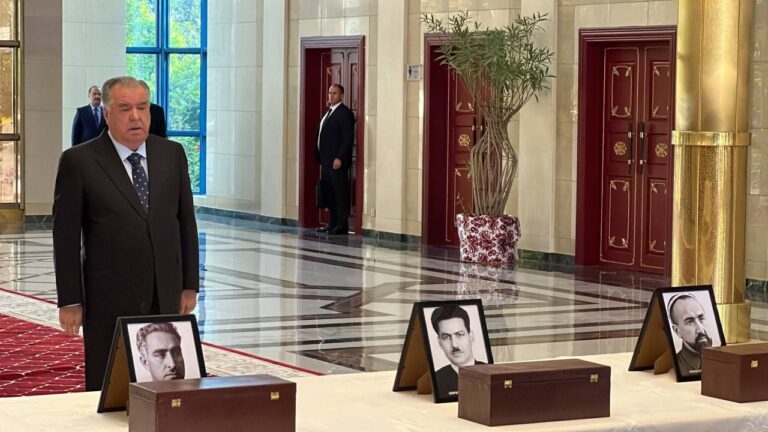
Vladimir Putin announced the cancellation of his visit on the eve of the SCO and CSTO summits, which began in Dushanbe on September 15.
In a telephone conversation with the President of Tajikistan Emomali Rahmon, he said that he should switch to self-isolation due to cases of coronavirus in his environment..
Experts are skeptical about the given reason.
Nurali Davlatov, journalist, political scientist:
– Refusal to participate in the anniversary summit of the SCO organization was unexpected for many. Moreover, Putin announced his refusal literally a day before his arrival.
I don't really believe in the official version related to quarantine. As far as I know, Putin was vaccinated in the summer and widely advertised the Russian Sputnik vaccine, so the statement of the Russian President to some extent became an anti-advertisement of this vaccine. But in fact, the refusal of his arrival may have several reasons.
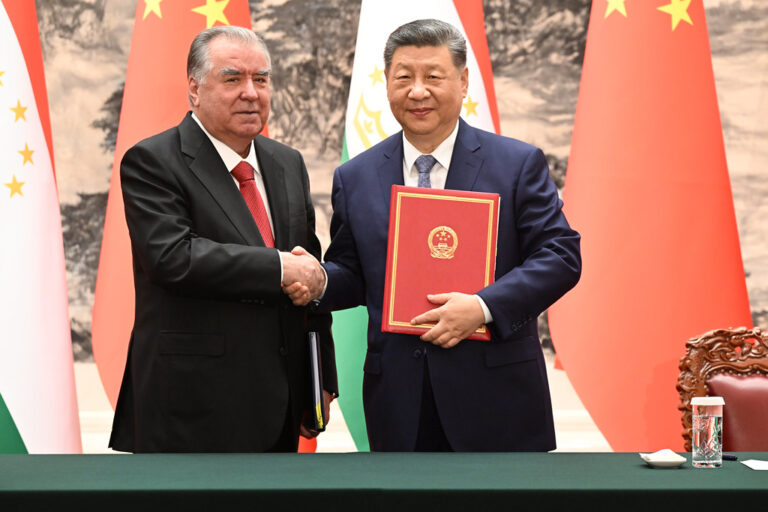
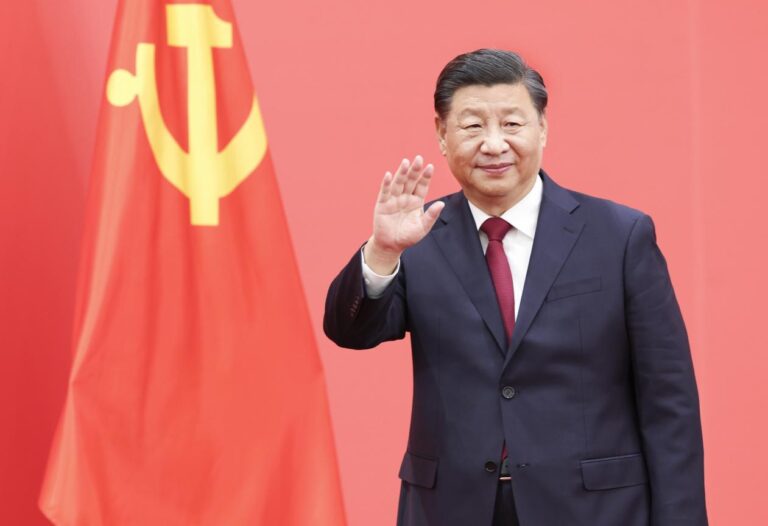
First: the statement was made after the refusal of direct participation in the summits of the Chairman of the People's Republic of China Xi Jin Ping, so it can be assumed that the Russian president decided that if the head of China does not come, then he should not go to Dushanbe..
The second reason is that the PRC and Russia have established good relations with the Taliban movement, therefore, Moscow and Beijing do not share the position of official Dushanbe, which openly opposes any cooperation with the Taliban.
The third reason is that at the summit friction would arise between China and Pakistan on the one hand and India and Tajikistan on the other. Russia, which maintains good relations with almost all countries, would have to clearly define its position. Most likely, Putin decided to take a wait and see attitude.
Amiri Zamon, political scientist:
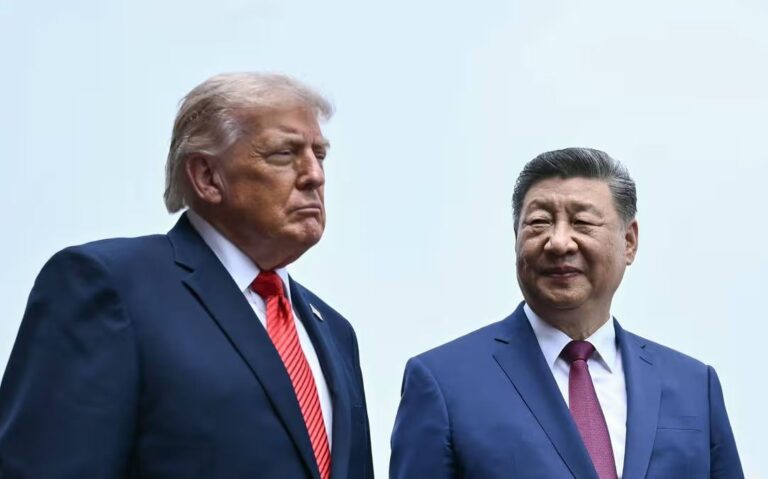
– Most likely, the reason is that Moscow and Beijing did not agree on a common position on the Taliban. At first, the head of the PRC refused to visit Dushanbe, and then Putin and it seems to me – it was quite logical, since the main dialogue was supposed to be between them.
In my opinion, Beijing and Moscow are not happy with each other over the situation in Afghanistan. Moscow has doubted the promises of the Taliban, therefore, in contrast, it wants to help the resistance in Panjshir, but the Chinese do not want this.
China, in turn, fully supports the Taliban. For China, the Taliban have always been considered the main factor of instability in Afghanistan and an obstacle to the implementation of Beijing's investment projects in this country..
According to their logic, if an agreement is reached with them, then this factor of instability will disappear, and new opportunities will open up for Beijing in Afghanistan.
They also hope that the Taliban will get rid of the Uyghur separatists and, judging by the statements of the Taliban, they have adopted the rules of a pragmatic game. The Taliban said that China is a friendly country for them, and the Uyghurs are separatists.
Therefore, Beijing and Moscow avoided the formation of a common agenda, therefore Beijing refused to participate directly in the summit, and Moscow did the same. Now everyone will play their own game.