With temperatures dropping below freezing in Kyrgyzstan officials are turning to coal as the answer to meet people's heating and electricity needs this winter, according to Radio Liberty.
In Kyrgyzstan, the warning signs of energy problems this coming winter reportedly appeared in the spring and summer.
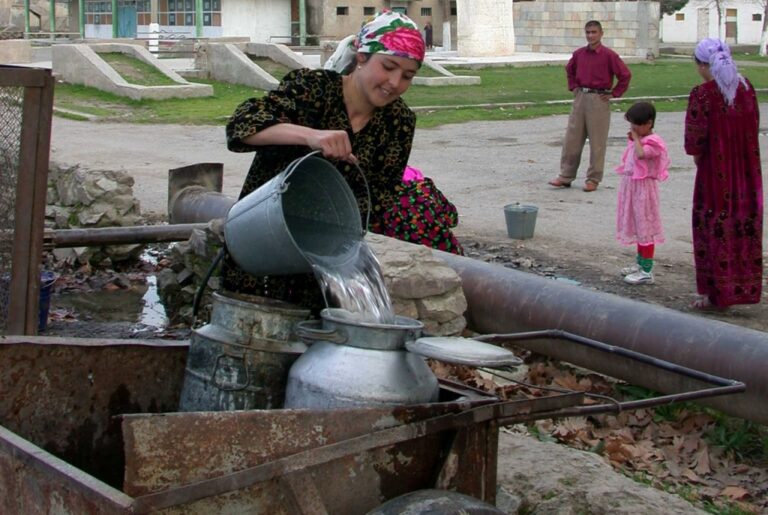
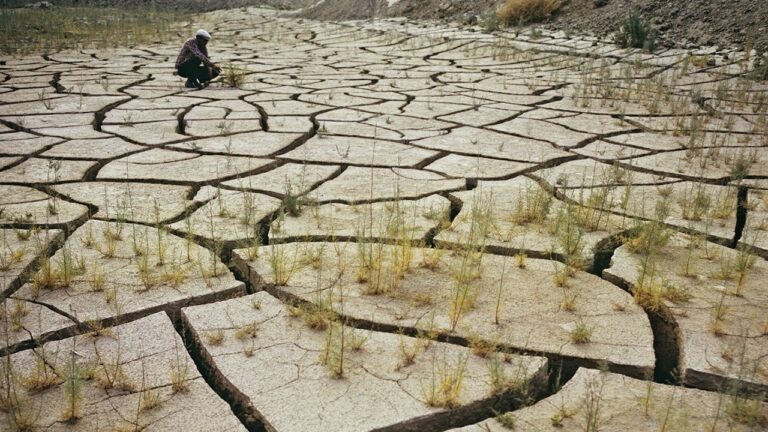
Most of Kyrgyzstan's domestically generated electricity comes from hydropower and because of a severe drought this year, some are predicting the biggest energy crisis in years, says an article by Bruce Pannier posted on RFE/RL’s website.
National Energy Holding Company chief Talaybek Baygziyev announced at the end of September that there would be restrictions on the lighting of secondary streets, advertisements, and the facades of shops, cafes, and other nonresidential customers in cities and towns around the country.
But those cuts won't be enough to keep homes and businesses well-lit and heated for the next several months.
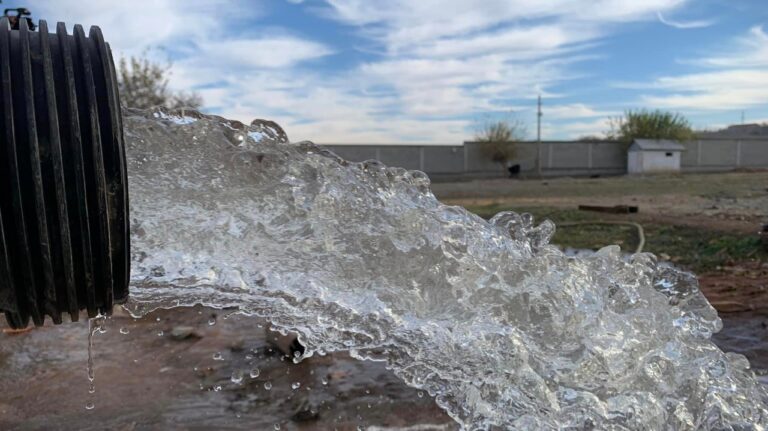
The reservoir powering the Toktogul hydropower plant (HPP), which supplies some 40 percent of Kyrgyzstan's electricity, currently has a water level of some 12.5 billion cubic meters (bcm).
One year ago, the level was 15.2 bcm and the desirable level by winter's end to ensure the HPP's smooth operation is 16 to 17 bcm of water.
The deputy chairman of Kyrgyzstan's cabinet of ministers, Aziz Aaliyev, said that in normal years during the autumn-winter period "some 6 to 7 bcm is released" from the reservoir to power the turbines at the Toktogul HPP to generate the electricity needed.
But with only 12.5 bcm currently in the reservoir, he said "there is a risk of a shutdown in April" if the water level reaches the "dead zone," when the level of water is lower than the turbines, rendering the HPP powerless.
The dead zone is 5.5 bcm of water and is the minimum amount needed for the HPP to operate.
Kyrgyz officials are therefore facing the choice of reducing the amount of water released this winter to maintain the necessary levels for the spring and summer — when the water is needed for agricultural purposes in downstream countries Uzbekistan and Kazakhstan — or to use the water as usual this autumn and winter with the understanding that less water might be available during the growing season next year and risking a shutdown of the Toktogul HPP.
The latter alternative would certainly upset Uzbekistan and Kazakhstan, both of which are fulfilling earlier promises to export electricity to Kyrgyzstan specifically to allow the Toktogul reservoir to accumulate the needed amount of water for crops next year.
Kyrgyz authorities plan to increase the cost of electricity starting next year, a necessary move but one that is likely to be unpopular among consumers.
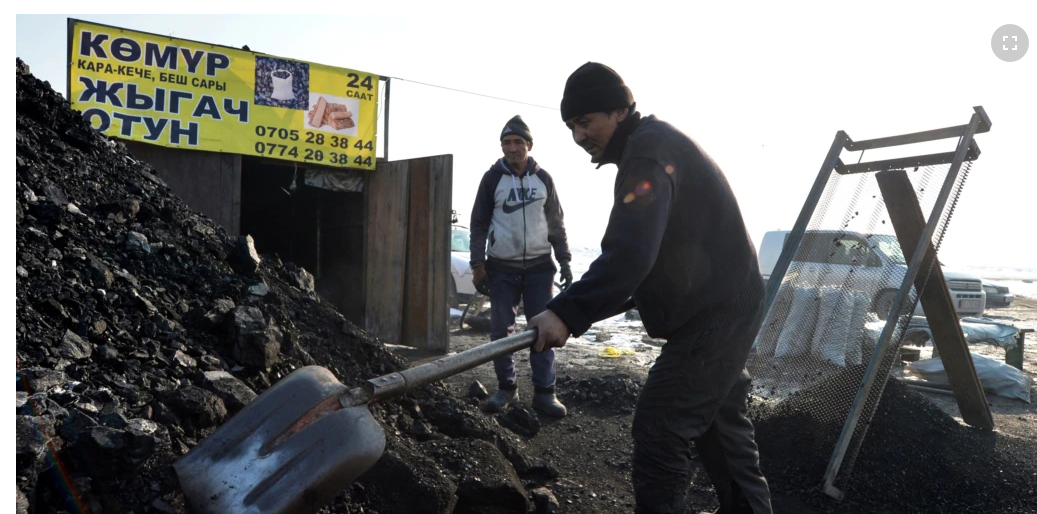
Worries about ensuring coal supplies are already such that at the Kara-Keche mine in Naryn Province — one of Kyrgyzstan's largest coal mines — local company Kyrgyzkomur installed video surveillance and the State National Security Committee sent members of the country's elite Alfa special forces unit to guard it.
For those looking to keep their homes warm in Kyrgyzstan, the prices for coal are already rising and that has caused a lot of grumbling and blaming.
In winter 2020-2021, the price of one ton of coal in Bishkek was 3,600 to 3,800 soms (about $42 to $45) per ton, but this year the price has jumped to around 5,000 soms, nearly $60 in a city where the average salary is about $220.
Coal production in all Central Asian countries — except for Turkmenistan — has been increasing steadily for years.
The Central Asian countries are marking 30 years of independence this year and during that period they have spent their own money and received massive loans and grants from international organizations to improve and modernize their domestic power-producing capacities.
But as winter 2021 approaches, the main source of energy for heating and electricity continues to be coal. And in many cases, even the use of the dirty fossil fuel will not be enough to provide everyone in Central Asia with the heat and power they need.