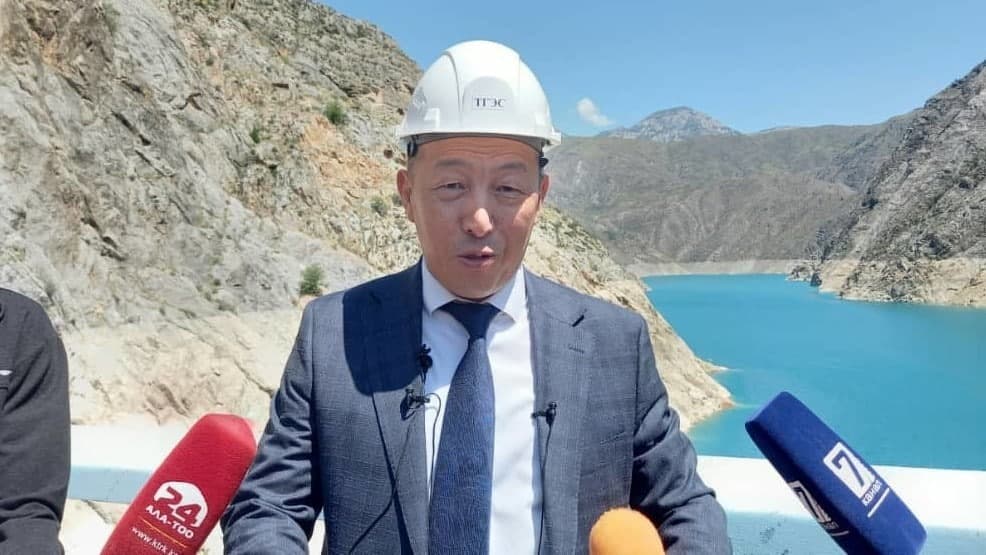
Kyrgyzstan’s 24.kg news agency reported on October 25 that Kyrgyz Minister of Energy Doskul Bekmurzayev has said that Tajikistan suspended electricity deliveries to Kyrgyzstan four days after the start of deliveries because the countries failed to conclude an appropriate agreement.
“After the release of information about the import of electricity from Tajikistan, they also have a ‘kipish’ (fuss), because they also have politicians. We managed to get electricity only for four days,” Bekmurzayev was quoted as saying by 24.kg.
Recall, Kyrgyz officials noted in early October that Tajikistan has agreed to share electricity with Kyrgyzstan, which is currently facing electricity shortages due to high water stress.
“Tajikistan now has enough electricity and they have offered [electricity] to us. We will import 1 million kwh of electricity per day,” Kyrgyz Minister of Energy Doskul Bekmurzayev told reporters in Bishkek on October 1.
The minister has refrained from naming the price. He just noted that Kyrgyzstan plans to import 30-50 million kWh of electricity from Tajikistan this month.
Kyrgyzstan has earlier reached agreements on importing of electricity from Kazakhstan, Turkmenistan and Kazakhstan.
It is to be noted that Tajikistan has sufficient summer-time (defined as May 1 to September 30) hydropower surpluses to export to the neighboring countries.
Meanwhile, the Ministry of Energy and Water Resources of Tajikistan (MoEWR) has denied a report about delivery of electricity to Kyrgyzstan as baseless.
A statement released by the MoEWR press center on October 4 says Tajikistan has not offered electricity to Kyrgyzstan.
Barqi Tojik (Tajikistan's national power utility company) received a letter from the National Energy Holding Company of Kyrgyzstan, in which the Kyrgyz side proposed to consider the possibility of delivery of Tajik electricity to Kyrgyzstan starting from October this year, the statement says, noting that a Kyrgyz delegation arrived in Dushanbe on October 2 to conduct negotiations with Barqi Tojik officials on that matter.
The statement noted that the proposal of the Kyrgyz side on the delivery of electricity to Kyrgyzstan was under the consideration by the Tajik side.
Suffering from lack of investment, Kyrgyzstan’s energy sector is characterized by aged infrastructure and significant losses. System wear and tear is gauged at over 50%: significant deterioration of energy assets and poor sector development are the result of heavy subsidies, particularly for electricity consumption, which drain resources for system maintenance and investment.
Radio Liberty notes that with temperatures dropping below freezing in Kyrgyzstan officials are turning to coal as the answer to meet people's heating and electricity needs this winter.
In Kyrgyzstan, the warning signs of energy problems this coming winter reportedly appeared in the spring and summer.
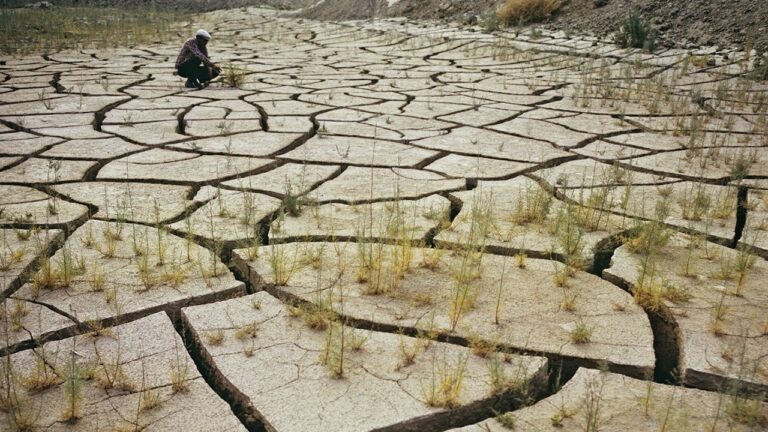
Most of Kyrgyzstan's domestically generated electricity comes from hydropower and because of a severe drought this year, some are predicting the biggest energy crisis in years, say an article by Bruce Pannier posted on RFE/RL’s website.
Kyrgyz officials are therefore facing the choice of reducing the amount of water released this winter to maintain the necessary levels for the spring and summer — when the water is needed for agricultural purposes in downstream countries Uzbekistan and Kazakhstan — or to use the water as usual this autumn and winter with the understanding that less water might be available during the growing season next year and risking a shutdown of the Toktogul HPP.
Kyrgyz authorities plan to increase the cost of electricity starting next year, a necessary move but one that is likely to be unpopular among consumers.
Worries about ensuring coal supplies are already such that at the Kara-Keche mine in Naryn Province — one of Kyrgyzstan's largest coal mines — local company Kyrgyzkomur installed video surveillance and the State National Security Committee sent members of the country's elite Alfa special forces unit to guard it.
For those looking to keep their homes warm in Kyrgyzstan, the prices for coal are already rising and that has caused a lot of grumbling and blaming.
In winter 2020-2021, the price of one ton of coal in Bishkek was 3,600 to 3,800 soms (about $42 to $45) per ton, but this year the price has jumped to around 5,000 soms, nearly $60 in a city where the average salary is about $220.
Coal production in all Central Asian countries — except for Turkmenistan — has been increasing steadily for years.
The Central Asian countries are marking 30 years of independence this year and during that period they have spent their own money and received massive loans and grants from international organizations to improve and modernize their domestic power-producing capacities.
But as winter 2021 approaches, the main source of energy for heating and electricity continues to be coal. And in many cases, even the use of the dirty fossil fuel will not be enough to provide everyone in Central Asia with the heat and power they need.