Media reports say authorities in Uzbekistan have maintained a total information blackout on developments in the semi-autonomous republic of Karakalpakstan amid claims that police used heavy-handed measures to disperse a protest rally on July 1.
Eurasianet says Karakalpakstan, which occupies a large but sparsely populated part of western Uzbekistan, has been in ferment for several days following reports that a proposed constitutional reform will deprive it of autonomy.
Uzbekistan reportedly has not seen such large shows of public discontent since the bloody unrest that unfolded in the city of Andijan in May 2005, when security forces crushed a large protest, leaving large numbers of people dead.
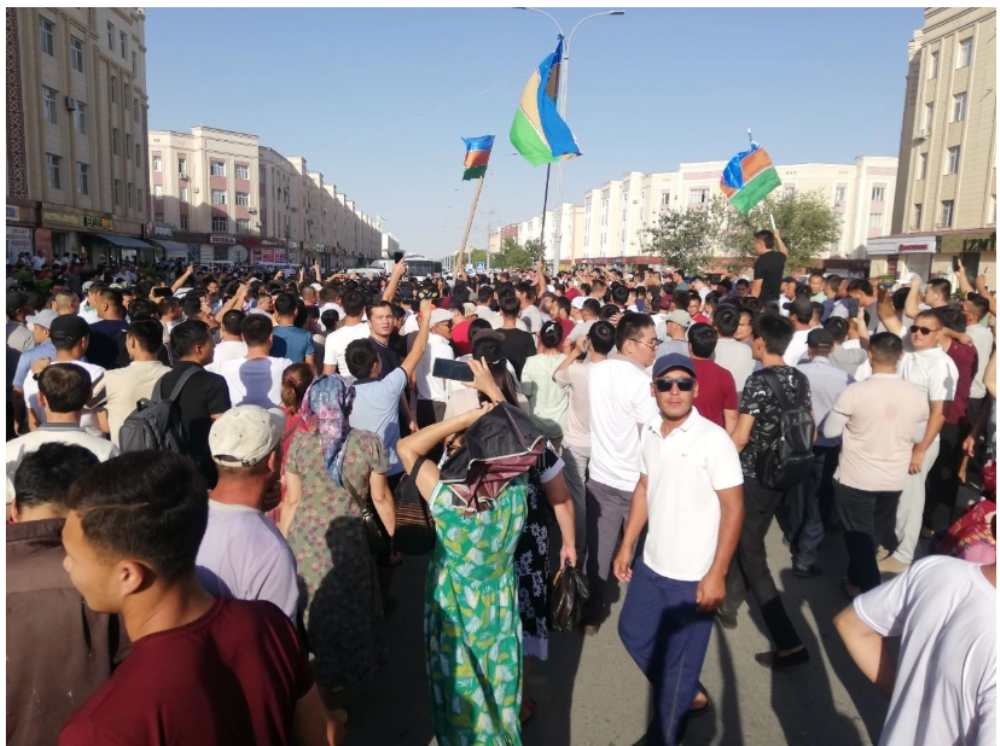
On July 1, the entire sections of Karakalpakstan’s capital, Nukus, were cordoned off by police because of the demonstrations. Shops, restaurants and malls had shuttered in an apparent measure of precaution.
Eurasianet says getting information in and out of Karakalpakstan has been severely complicated by the government’s decision to sever mobile internet connections on June 27. It was around that date that reports on the possible suspension of autonomy began to circulate and that new pro-Karakalpak autonomy groups started appearing on social media. Fixed-lined internet reportedly also became unavailable after that.
In another panicked measure to contain a possible escalation of discontent, Uzbek security services on July 1 reportedly detained local journalist Lolagul Kallykhanova, allegedly after she uploaded a video appeal calling for Karakalpakstan to secede.
The Committee to Protect Journalists expressed concern over Kallykhanova’s fate and urged the Uzbek authorities to provide information about why she had been detained.
Developments in Nukus began heating up at around 3 p.m. on July 1, when a large group of protestors comprised of many thousands of people mustered around an underground passage at the Nukus farmers’ bazaar as they awaited a prominent local lawyer and citizen journalist, Dauletmurat Tazhimuratov. It had earlier been reported that Tazhimuratov too had been detained.
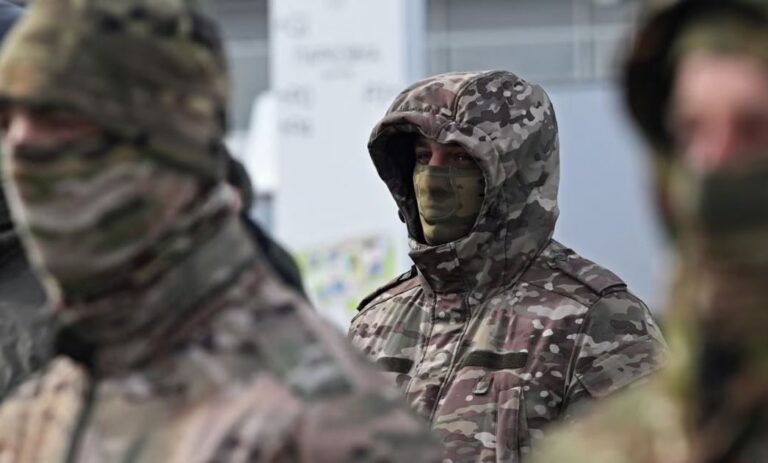
Local eyewitnesses have said the crowd showed no signs of aggression and that there was no indication of imminent trouble at this stage. Interior Ministry special forces troops were present, but they did not intervene.
The first trouble occurred after this as law enforcement officers threw smoke bombs into the crowd for reasons that are not yet clear, according to Eurasianet. As the situation escalated, more tools were reportedly used to quell the turmoil.
There are reports of people severely injured, possibly fatally, as a result of police efforts to quell protests.
Uzbek media reports say President Shavkat Mirziyoyev arrived in Nukus on July 2.
During a meeting with regional lawmakers and community representatives, Mirziyoyev reportedly said that he was taking the views of the local population into consideration in making the decision.
“Considering that the process of discussing changes and additions to the constitution are still ongoing, and after having considered the views of people in Karakalpakstan, the president has decreed it necessary to leave unchanged the Articles 70, 71, 72, 74, 75 of the current constitution,” Mirziyoyev’s office said in a statement.