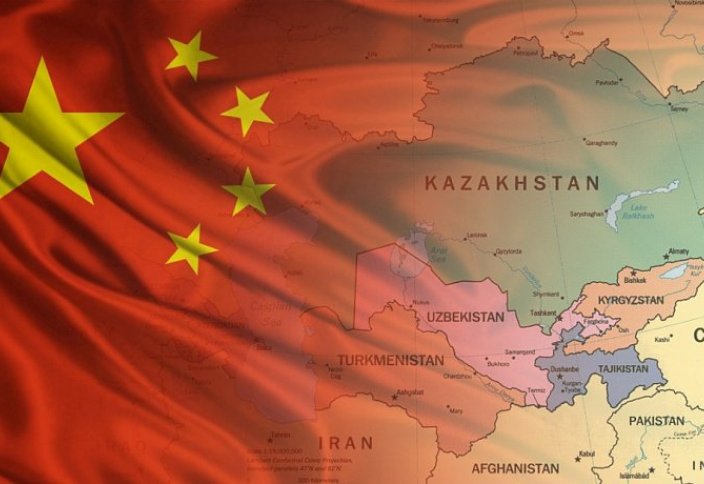
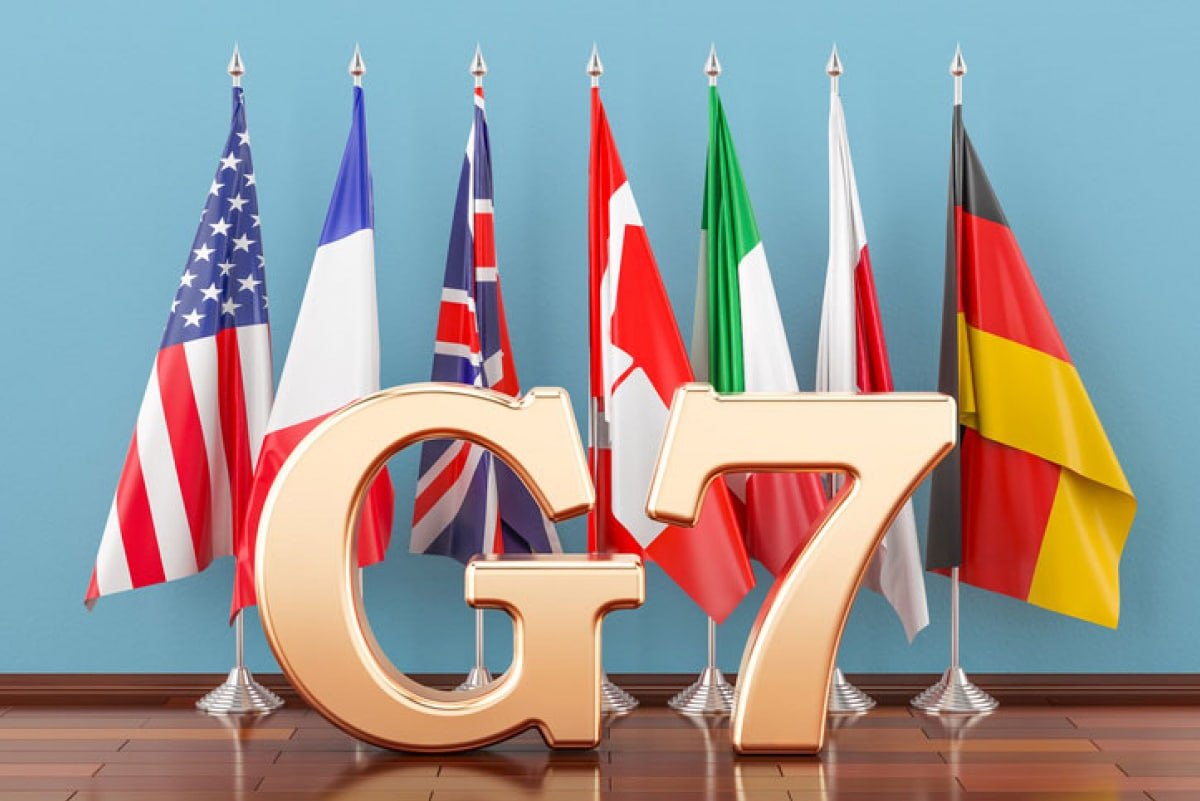
Nations in the Group of Seven have agreed to set up an infrastructure plan to compete with China’s Belt and Road Initiative — but that won’t stop China’s massive program, an expert says, according to CNBC. The G-7 countries are Canada, France, Germany, Italy, Japan, the U.K. and the U.S.
Leaders from the G-7 nations met at a three-day summit in southwest England from July 1 to July 3. It was their first face-to-face meeting in two years. The group’s infrastructure plan is reportedly part of a broad collective pushback against China on issues ranging from human rights abuses to non-market practices that undermine fair competition.
In addition to calling out China’s alleged human rights abuses and non-market policies, the G-7 also asked for more transparency on the origins of the Covid-19 pandemic. They stressed the importance of peace and stability across the Taiwan Strait, and expressed concerns about tensions in the East and South China Sea where China has overlapping territorial claims with its regional neighbors.
China reportedly featured prominently in a communique released by the G-7 on July 3.
Beijing responded angrily to the communique on Monday. The Chinese Embassy in London reportedly said it firmly opposed the G-7 statement and was strongly dissatisfied. CNBC says the Embassy urged the U.S. and other G-7 members to stop slandering China and interfering in Chinese internal affairs.
Matthew Goodman, senior vice president for economics at Washington D.C.-based think tank Center for Strategic and International Studies said in an interview with CNBC that “this is not really intended to stop Belt and Road.”
”But I think the G-7 is signaling that they want to offer an alternative which really revolves around two big things that these countries offer,” he said.
According to him, the G-7 could make a “significant contribution” in closing the world’s infrastructure gap by channeling investments into developing countries.
In addition, the seven rich democracies would bring better safeguards to infrastructure projects — including transparency, accountability as well as environmental and social standards, Goodman said.
Meanwhile, Tajik expert, who wanted to remain unnamed, says Western investment would be very timely given that the Belt and Road Initiative will celebrate its tenth anniversary next year and “China has big plans in this regard, i.e. it plans to allocate more funds to developing countries, increasing its expansion.”
“At certain points, of course, Chinese help us out, as was the case with the construction of public facilities, which Saudi Arabia was supposed to build but delayed with it.”
Tajik political scientist Amir Zamon considers that if the G-7 channels investments into Central Asia’s nations, it would be a good opportunity for Tajikistan and Central Asia to diversify investment flows. “But European loans and grants generally entail obligations and are provided if the obligations re fulfilled, for example, respect for human rights and so forth,” Zamon said.
“China does not set any conditions and provides loans for long terms. The only condition of investment is participation of Chinese companies and workers in the projects,” the political scientists noted.
According to him, the situation with respect to human rights in Central Asia has complaints, and therefore, “here the question arises as to what extent Europeans are committed to their values.”
“It is also necessary to take into account that China is a giant in the implementation of infrastructure projects. The experience of this country [in implementation of such projects] over the past decades is an example of this. In fact, the Belt and Road Initiative is the result of their infrastructural transformations, after which there was a huge amount of equipment and machinery and they decided to use this potential, creating the Belt and Road Initiative,” he said.
“Central Asia’s nations use this “Belt”, and therefore, the Group of Seven will find it difficult to compete with it. Moreover, it will depend, first of all, on the fact on how much they are willing to turn a blind eye to the breach of obligations by beneficiaries,” Zamon added.

The Belt and Road Initiative is China’s ambitious program to build physical and digital infrastructure to connect hundreds of countries from Asia to the Middle East, Africa and Europe. Critics consider it Chinese President Xi Jinping’s signature foreign policy to expand his country’s global influence.
The U.S. and many countries have been critical of the Belt and Road plan, accusing Beijing of leaving participating countries laden with untenable debt, while benefiting Chinese companies — many of them state-owned. In addition to the program’s environmental harm, critics also questioned the transparency of the deals.