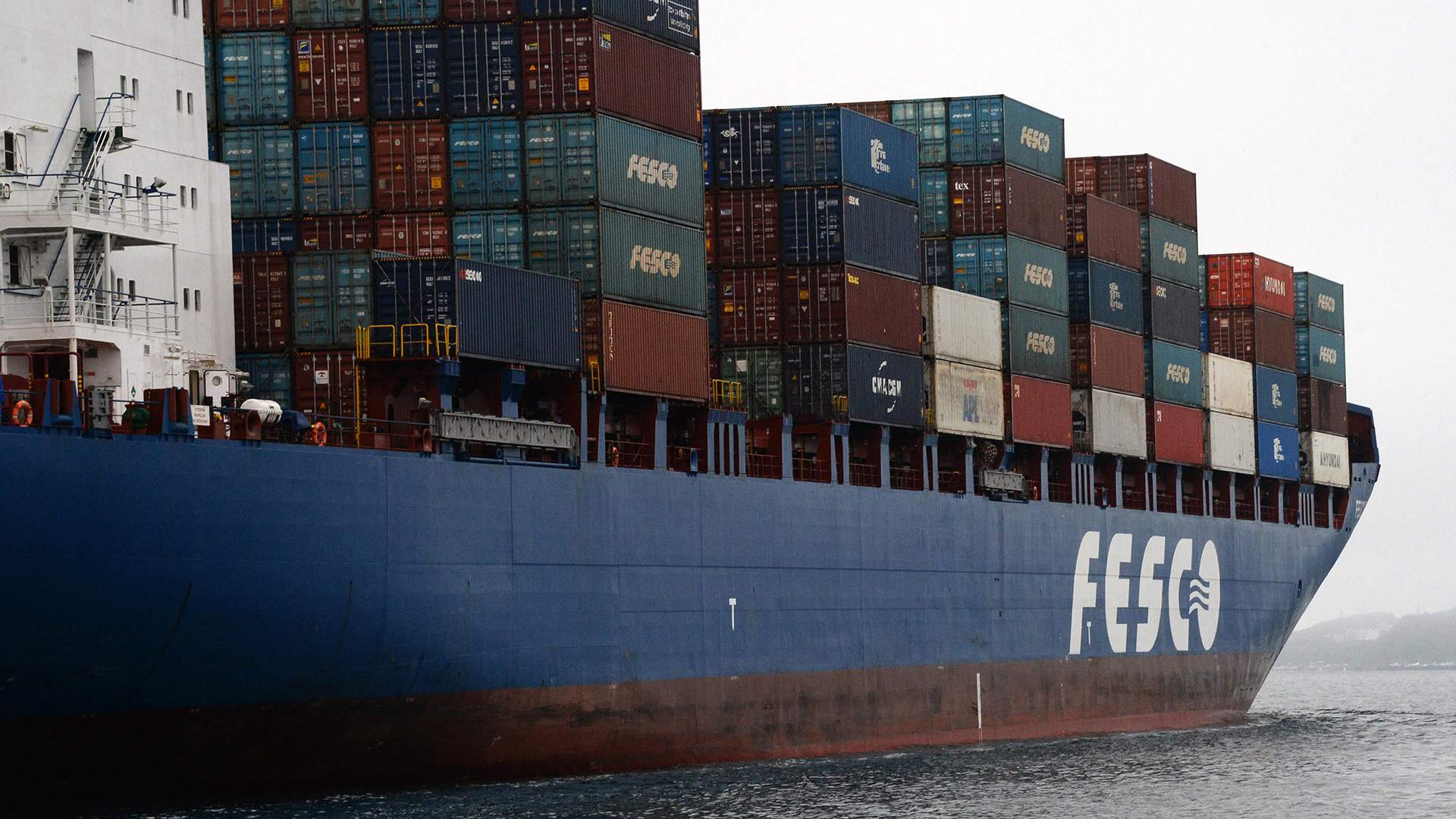
The U.S. Department of Commerce’s Bureau of Industry and Security (BIS) has identified certain common transshipment points through which restricted or controlled exports have been known to pass before reaching destinations in Russia or Belarus.
The Financial Crimes Enforcement Network (FinCEN) and the U.S. Department of Commerce’s Bureau of Industry and Security (BIS) on June 28 issued a joint alert urging financial institutions to be vigilant against efforts by individuals or entities to evade BIS export controls implemented in connection Russia’s so called “special military operation” Ukraine.
This joint alert provides financial institutions with an overview of BIS’s current export restrictions; a list of commodities of concern for possible export control evasion; and select transactional and behavioral red flags to assist financial institutions in identifying suspicious transactions relating to possible export control evasion. This alert further reminds financial institutions of their Bank Secrecy Act (BSA) reporting obligations and details how suspected export control evasion activity may also be reported to BIS enforcement authorities.
Since February 24, 2022, BIS has reportedly implemented a series of stringent export controls that restrict Russia’s access to specific technologies and other items that it needs to sustain its military activity in Ukraine. These controls primarily target Russia’s defense, aerospace, and maritime sectors. They also include other targets such as Russia’s energy production sector as well as luxury goods used by elites. These controls are aligned with export controls implemented by 37 U.S. allies and partners and represent the most comprehensive application of Commerce’s export authorities targeting a single country.
The United States has also applied restrictions to Belarus in response to its substantial enabling of Russia’s war effort.
BIS reportedly remains concerned about exports that support the development of maritime technology, microelectronics, and other technologies that can be used to support Russia’s military and defense sector. As such, all of such items reportedly require a BIS license prior to export or reexport to Russia or Belarus. Additionally, the use of certain of these items by third countries to create final products that may be subsequently exported to Russia or Belarus is also prohibited.
FinCEN and BIS are providing a select list of potential red flag indicators of export control evasion that may be relevant to financial institutions and other covered institutions or persons, including flags derived from recent Bank Secrecy Act (BSA) reporting.
BIS has identified certain common transshipment points through which restricted or controlled exports have been known to pass before reaching destinations in Russia or Belarus. These points include but are not limited to: Armenia, Brazil, China, Georgia, India, Israel, Kazakhstan, Kyrgyzstan, Mexico, Nicaragua, Serbia, Singapore, South Africa, Taiwan, Tajikistan, Turkey, United Arab Emirates, and Uzbekistan. In some instances, controlled U.S. items may be legally exported to these and other jurisdictions as inputs for the production of other finished goods.
However, further export to Russia or Belarus of those finished products and goods, potentially through additional transshipment points, may be prohibited. The recent export controls and restrictions on Russia and Belarus may lead to changes in historical transshipment patterns, and BIS is actively monitoring relevant information, including BSA reporting, to identify any such changes. As such, the list is not inclusive of all potential transshipment points, but can assist in the risk-based screening of export-related financial transactions.