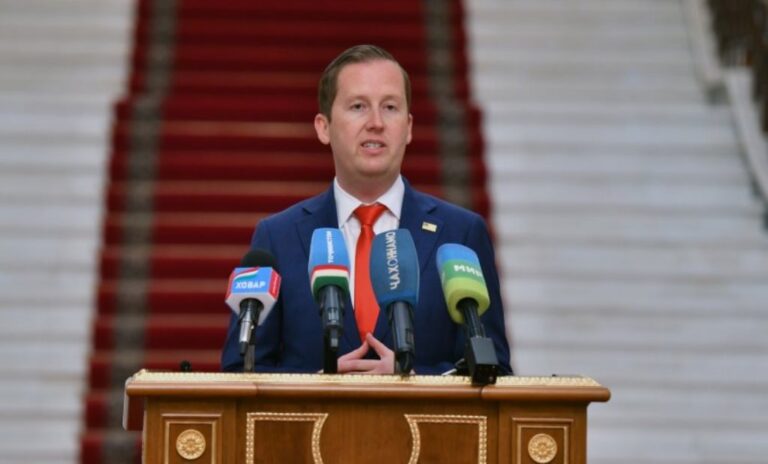
The Islamic Organization for Food Security (IOFS), Tajikistan is also member of it, annually implements projects to provide humanitarian aid to Afghanistan. The food crisis in Afghanistan is an extremely important agenda for all Central Asia’s nations.
The Afghanistan issue, especially with the return of Taliban to power in the country, is relevant and acute for each of the Central Asian countries.
The issues of providing regional security and cooperation have repeatedly been raised by authorities at various conferences and meetings.
Thus, the Tashkent International Conference on Afghanistan that was held in the Uzbek capital on July 26, 2022 was a critical moment for the international community to step up support in an effort to stop the growing humanitarian crisis in Afghanistan.
The 10th Herat Security Dialogue meeting that was held in Tajikistan’s capital, Dushanbe, in Dushanbe, on November 29, 2022 emphasized the need to establish an inclusive government in Afghanistan that upholds women’s rights and prevents drug trafficking in Afghanistan.
Experts note that the economic crisis in Afghanistan will directly entail the emergence of economic problems in its partner countries. Moreover, the current situation in Afghanistan has a negative impact on proving security in Central Asia. Therefore, neighboring countries must collaborate with Afghanistan also in the field of providing humanitarian aid.
It is to be noted that the Tajik authorities have repeatedly noted at high-level events that they are ready to provide Tajikistan’s territory and logistics opportunities to deliver humanitarian aid to the people of Afghanistan.
To provide support to the population of Afghanistan, counties maintain contacts with the new government of the country. However, this does not mean that they recognize this government.
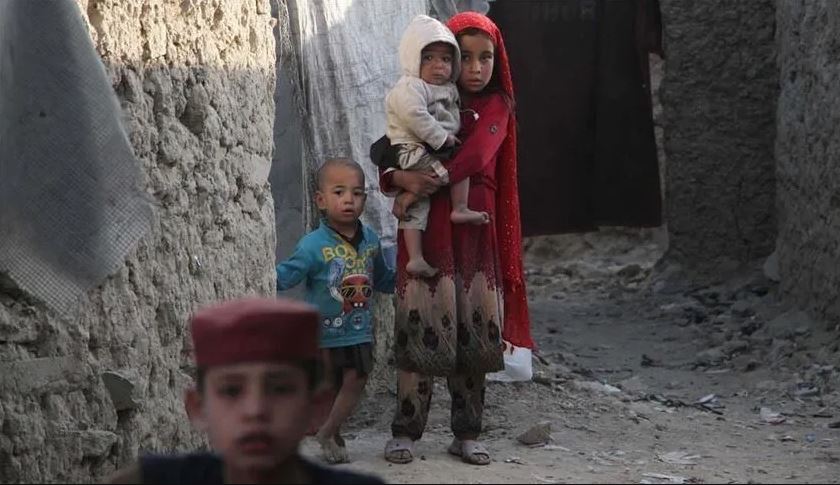
Addressing the food crisis in Afghanistan, which has reached an unprecedented level this year, requires special attention.
Almost 22/8 million people in Afghanistan (55 percent of the population) face severe hunger. At the same time, 3 million children under the age of five are at particular risk; a million of them are threatened with starvation.
The Islamic Organization for Food Security (IOFS) is a food and agriculture organization and one of the eight specialized institutions of the Organization of Islamic Cooperation (OIC) focused on the development of agriculture and rural development with primary focus on widespread scarcity of food and food security of the member states. Its charter is formally signed by the 37 member states out of 57 as of 2022. The associated member states work in collaboration with IOFS.
Established in 2012 by adopting a resolution at the 39th session of the OIC Council of Foreign Ministers in Pakistan, it actively collaborates with intergovernmental organization such as Economic Cooperation Organization to promote its ideology within the scope of the OIC's guidelines outlined for the food security.
Taking into account the principles of Islamic solidarity, the IOFS Secretariat is mobilizing financial resources from the OIC member states to provide emergency humanitarian assistance to the Afghan people from the beginning of 2022 by opening a dedicated bank account for this, with the expectation that they generously donate to implement Afghanistan Food Security Program (AFSP) without delay.