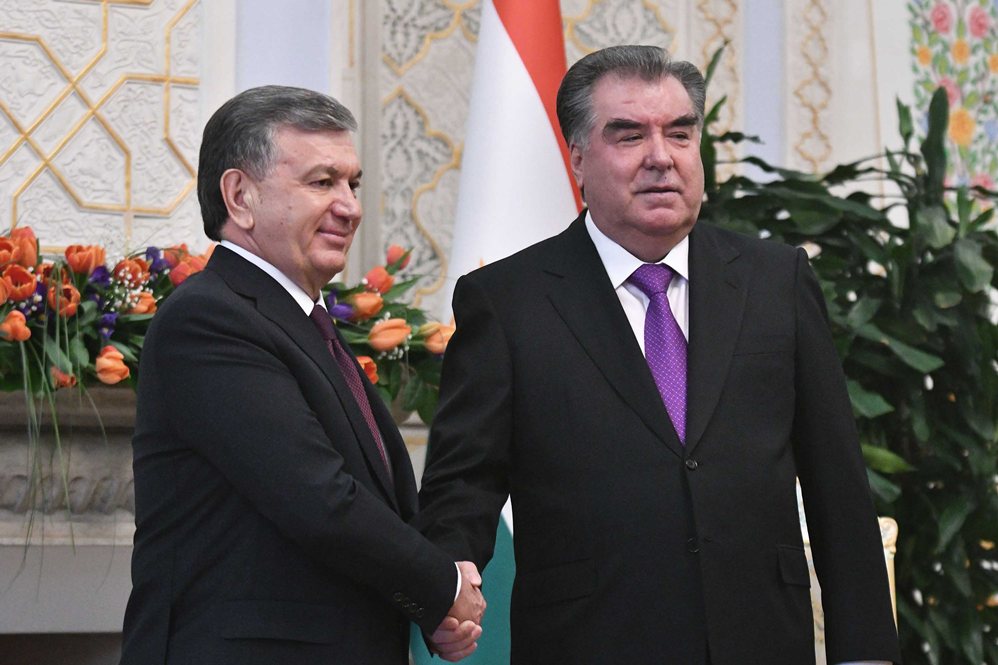
Five years ago, the first visit of the President of Tajikistan to Uzbekistan took place after a 20-year break. Following the high-level talks, Emomali Rahmon and Shavkat Mirziyoyev signed a strategic partnership agreement, and relations between the two countries began to improve. We analyzed what has changed during this time and where the fundamental changes have taken place.
The Strategic Partnership Agreement defines the goals of establishing long-term and sustainable partnership relations, strategic directions of bilateral cooperation.
In addition to the agreement, 26 more documents on cooperation in the fields of industry, standardization and certification, borders, education, geology, agriculture, culture were signed between Tajikistan and Uzbekistan during this visit, according to the official website of the President of the Republic of Tajikistan.
We consider five main areas where fundamental changes have taken place.
1. Some sections of the border on the Uzbek side were mined before Mirziyoyev came to power. Civilians, mostly Tajik shepherds, were periodically blown up on them. It was also extremely difficult to get a visa to visit Uzbekistan. Even natives of the neighboring republic with a Tajik passport who live and work in Tajikistan were reluctantly allowed to visit their small homeland. Some people from this category were on the non-entry list – they were not allowed to visit their parents' house even during the funeral of loved ones.
These barriers were eliminated by Mirziyoyev in the shortest possible time, simplified the regime of bilateral trips of citizens of the two countries, and completely removed mines in the border territories.
In addition, the work on the delimitation of the Tajik-Uzbek border, which were actually mothballed under Karimov, has been completed. It remains to demarcate some sections of the border.
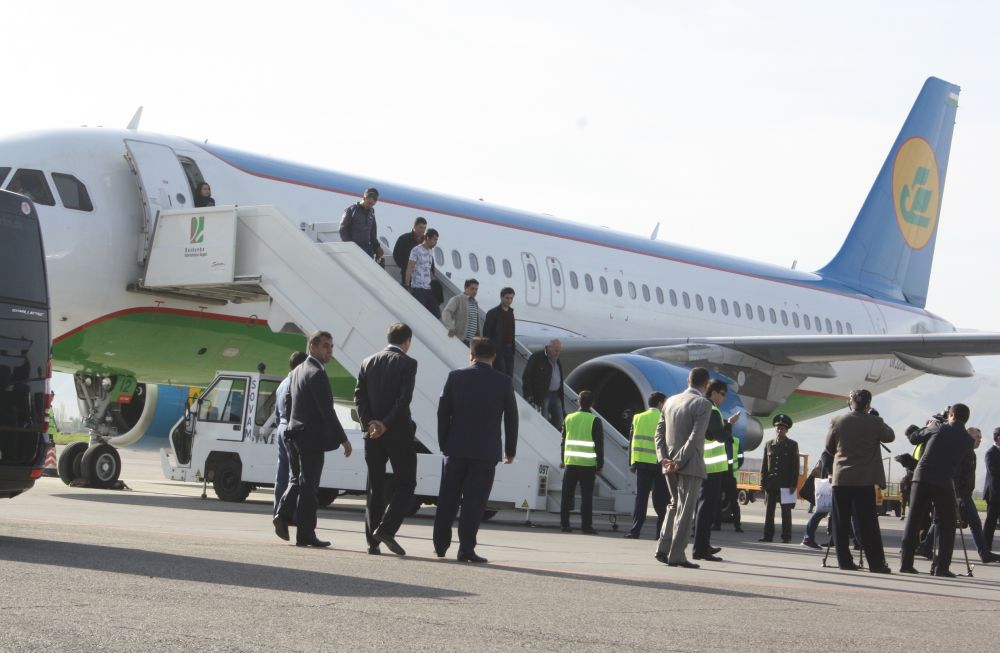
2. After only three months after Mirziyoyev came to power, regular flights between Tashkent and Dushanbe resumed (after 25 years). In the summer of 2018, a regular bus service was launched from Dushanbe to Denau and Termez, from Penjikent to Samarkand and from Khujand to Tashkent and Fergana.
In 2019, Uzbekistan simplified the rules of transit traffic through its territory for Tajik trucks: the period during which trucks must leave the country was extended to five days instead of three days from the date of entry. Also, the railway companies of the two countries have agreed to provide mutual discounts. However, the practice of providing mutual discounts between the two countries during cargo transportation has become regular.
In August 2019, Uzbekistan began using Tajikistan's highways for cargo transportation with China on the Termez-Dushanbe-Khorog-Kulma route. Last summer, regular passenger rail services between the capitals of the two countries began.
3. Uzbekistan was Tajikistan's main trading partner in the 90s. The bilateral Tajik-Uzbek trade turnover in 1995 amounted to $250 million, which was twice the trade turnover with all other CIS countries combined. However, after the cooling of relations between the two countries, the volume of trade turnover has gradually begun to decline since the late 90s. A sharp drop in trade turnover was recorded in 2009.
In 2022, the volume of Tajik-Uzbek trade turnover increased almost 43 times to $555 million.
Currently, Tajikistan supplies primary aluminum, electricity, cotton fiber, ore, cement, untreated leather, cocoon, raw silk, fabrics, alcoholic beverages, carpets and other goods to the neighboring republic.
Natural gas, textile products, mineral fertilizers, plastics, shoes, ceramic products, non-ferrous metals, electrical and mechanical equipment are imported from Uzbekistan. Part of Chinese consumer goods in Tajik markets has been replaced by Uzbek products in recent years.
A certain impetus for the growth of trade turnover between the countries was the opening of special credit lines by the banks of the two countries in 2018 for a total of $ 100 million. These funds are allocated by the Government of Uzbekistan to finance Tajik importers of Uzbek products.
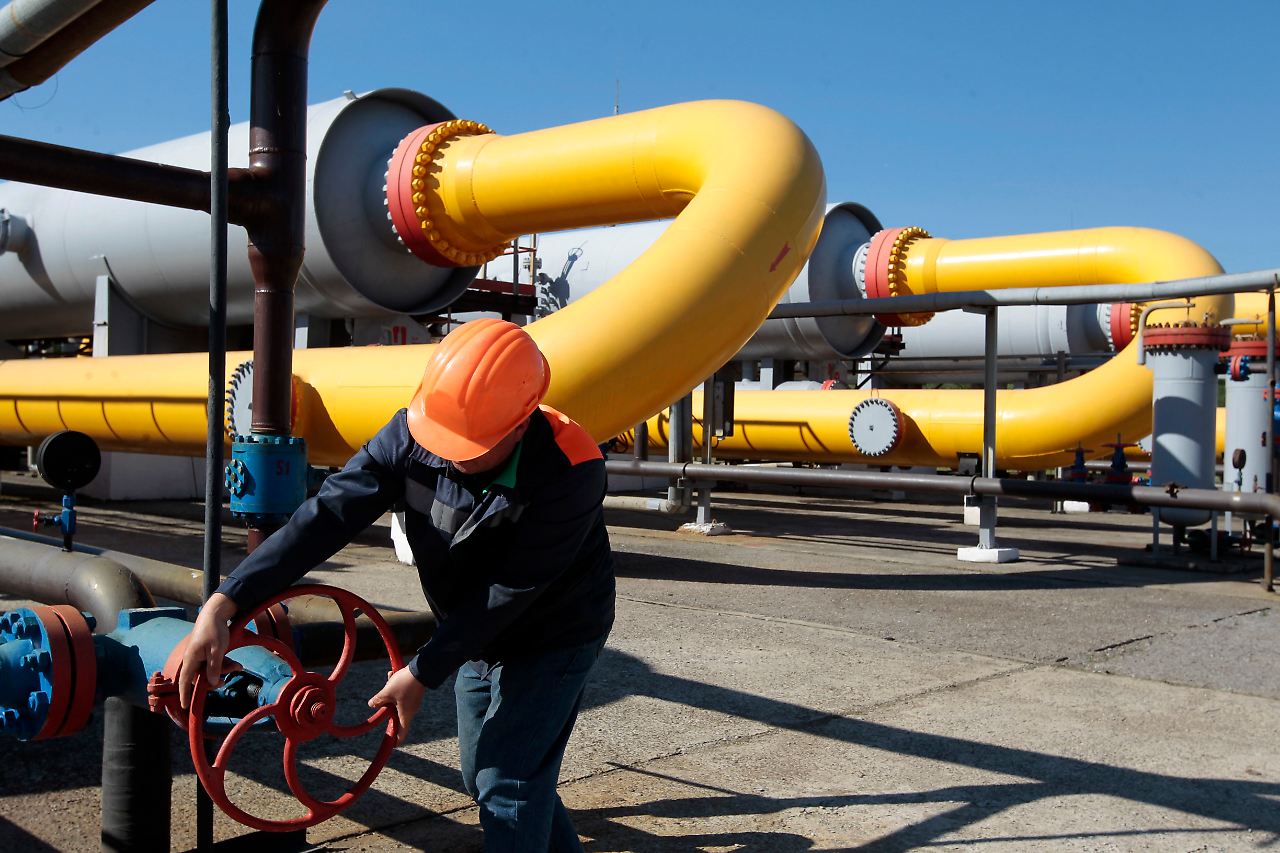
4. Energy ties between the two countries, which were established during the Soviet Union, were interrupted under the former leadership of Uzbekistan.
Uzbek natural gas supplies to Tajikistan resumed in early April 2018 after Mirziyoyev's first visit to Dushanbe. The main consumer of Uzbek gas is the Tajik Aluminum Company. Also, some other enterprises receive fuel from the neighboring country, in particular, the Dushanbe thermal power plants in the autumn-winter period.
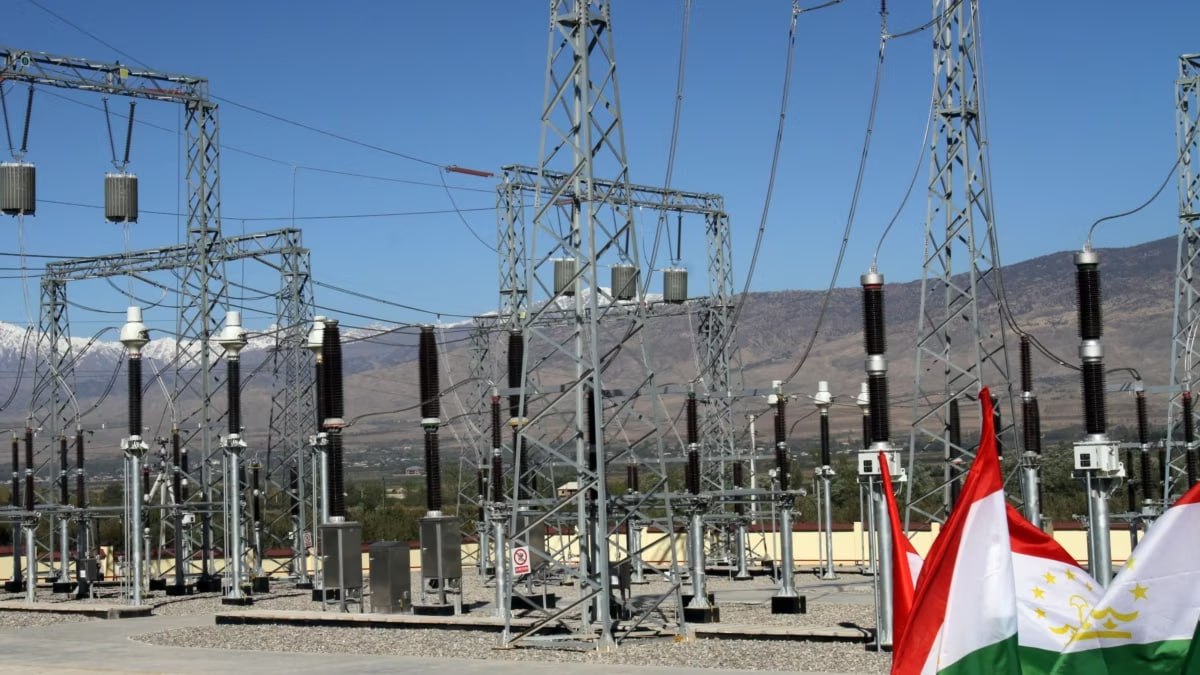
Currently, with the support of international financial institutions, work is underway to reunite the Tajik system to the ECO.
The Minister of Energy and Water Resources of Tajikistan, Daler Juma, announced earlier this month that Tajikistan has completed the process of joining the Uzbek energy system in the south-west direction.
"We plan to prepare lines in the northern direction by the end of this year, but the direct launch of this line will be in April next year," the minister concluded.
5. With the coming to power of Mirziyoyev, investors of the two countries received real opportunities to open their business in a neighboring country.
According to the official statistics of the Republic of Uzbekistan, 219 enterprises with the participation of Tajik capital were established on the territory of this country in a short period. In particular, about 100 enterprises operate with the net capital of Tajik businessmen.
According to the State Committee for Investments and State Property Management of the Republic of Tajikistan, more than 50 enterprises with Uzbek capital are registered in Tajikistan.
Enterprises with Uzbek investments in Tajikistan are engaged in various fields, the total share of which is $15 million.
The largest enterprises with Uzbek capital include “Talco-Krantas”, which is engaged in the production of special equipment, “Artel Avesto Electronics”, a manufacturer of household appliances, as well as the automaker “Ravon Motors Tajikistan”.
In general, almost all experts, taking into account geographical, historical, mental, religious, cultural and linguistic (with some regions) affinities and communities, predict even closer ties in all directions if the established policy of partnership and good neighborliness is maintained.