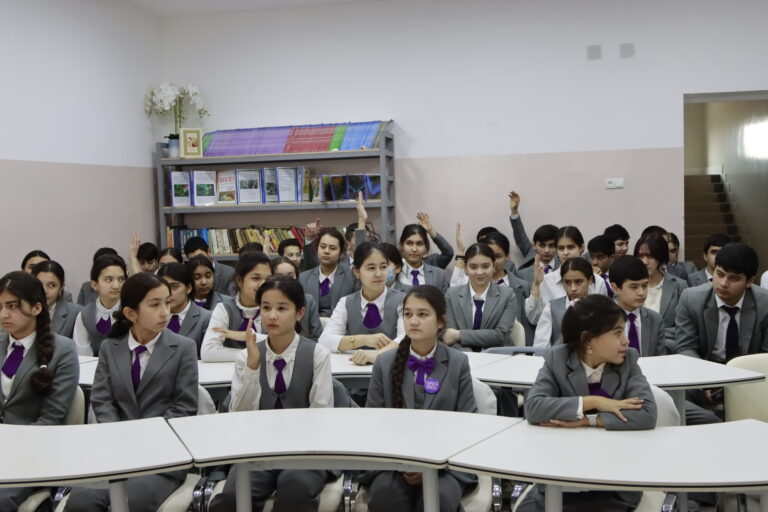
The twenty-first session of the Committee for the Review of the Implementation of the Convention (CRIC21) to the UN Convention to Combat Desertification (UNCCD) kicked off in the Uzbek city of Samarkand today.
This five-day event has reportedly brought together 500 delegates from 196 countries and the European Union, civil society, and academia to reflect on progress in delivering the Convention’s strategic objectives. It marks the first time UNCCD convenes one of its most significant meetings in Central Asia, since its establishment.
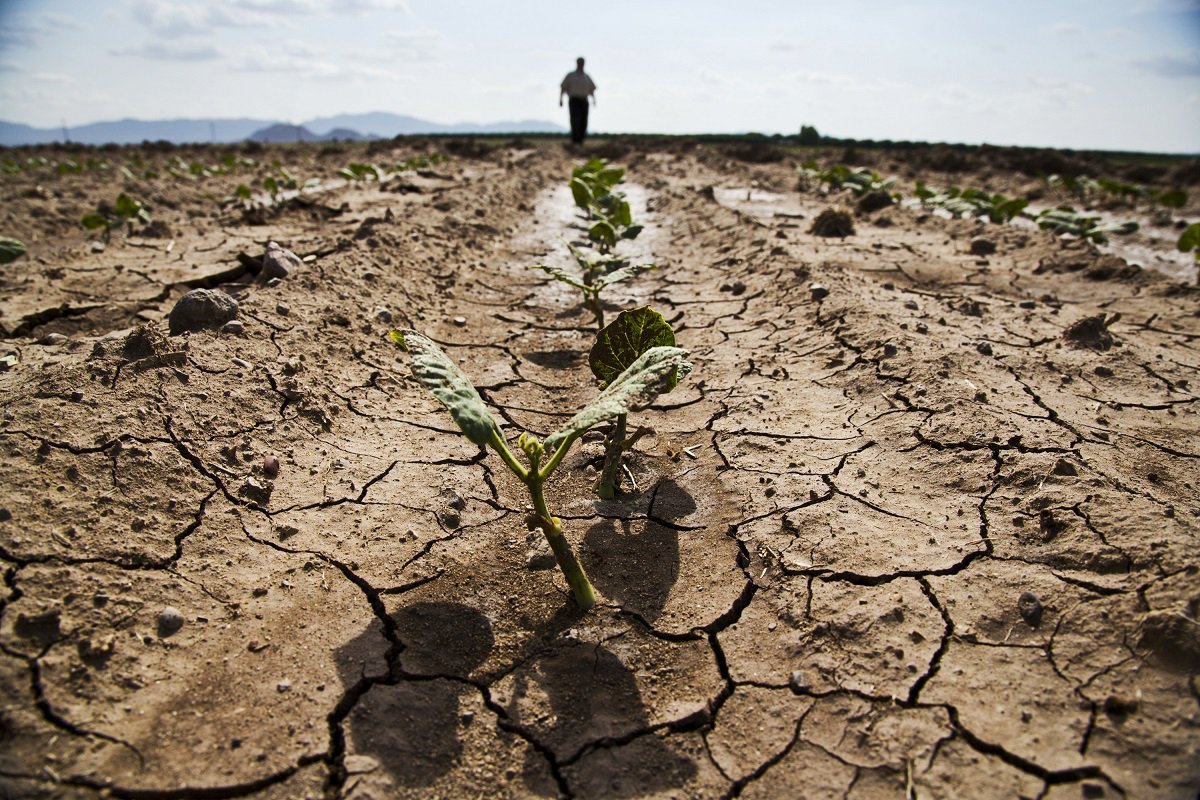
UNCCD’s website says this meeting comes at a critical juncture, as recent data launched by UNCCD shows that the world is losing nearly 100 million hectares of healthy and productive land every year. If current trends continue, 1.5 billion hectares of land will need to be restored by 2030 to achieve land degradation neutrality around the globe. But, halting additional degradation and accelerating existing commitments alone could surpass the neutrality target.
The session participants reportedly have the opportunity to review progress and provide recommendations towards achieving global targets to prevent and reverse land degradation, in line with the 2018-2030 UNCCD strategic and implementation frameworks.
A survey conducted by the UNCCD notes that about 30 percent of agricultural lands in Tajikistan is in a poor state and 95 percent of lands has a tendency to degrade. This causes Tajik villagers to leave to work in other countries.
The reduced productivity of agricultural lands has reportedly led to the fact that rural residents of Central Asia’s nations are increasingly traveling to Russia and other countries seeking better employment opportunities.
The survey entitled “The Nexus between Land Degradation Climate Change, and Migration in Central Asia”, in particular, notes that the challenge of land degradation and desertification has long been observed in Central Asia, which include Kazakhstan, Kyrgyzstan, Tajikistan, Turkmenistan, and Uzbekistan. In many areas of Central Asia, degradation has rendered much of the land infertile precipitating voluntary migration. However, a warming climate could eventually result in forced migration becoming the new norm.
This study analyses the reasons behind labor migration in connection with land management and climate change and explores the ways to address the related challenges. This report presents key insights and offers practical recommendations.
The study, in particular, notes that in many areas of Central Asia, degradation has rendered much of the land infertile precipitating voluntary migration. However, a warming climate could eventually result in forced migration becoming the new norm, according to the study.
The study released by UNCCD in February this year confirms that land degradation is one of the key triggers of migration in Central Asia. In the region where drought and desertification cause annual losses of about US$6 billion, the number of people who migrate each year in search of work reportedly amounts to 2.5–4.3 million, or 10-15% of the economically active population.