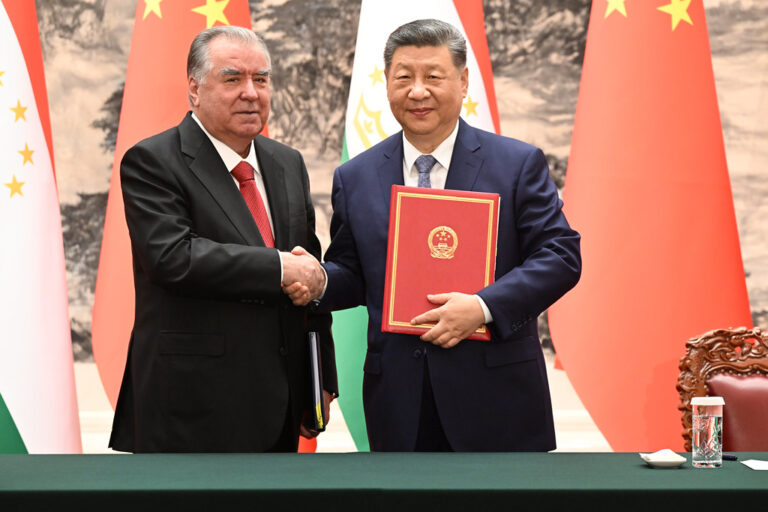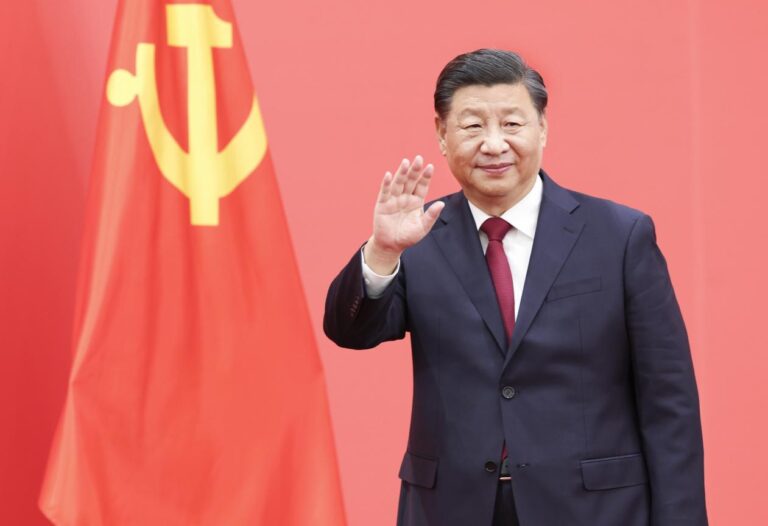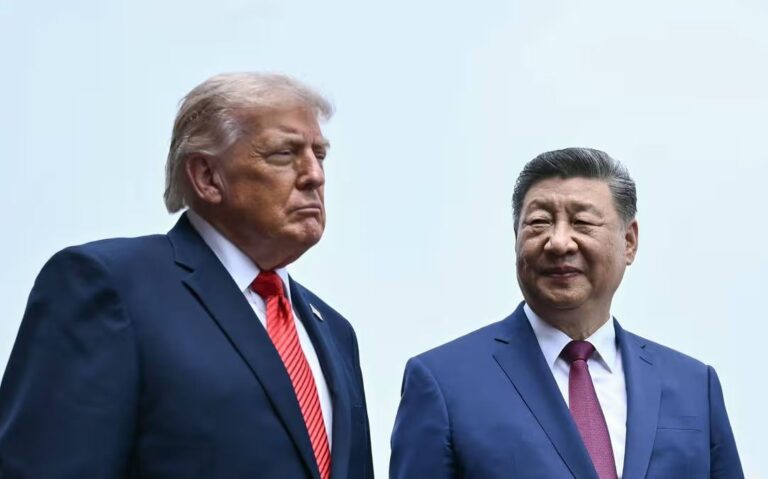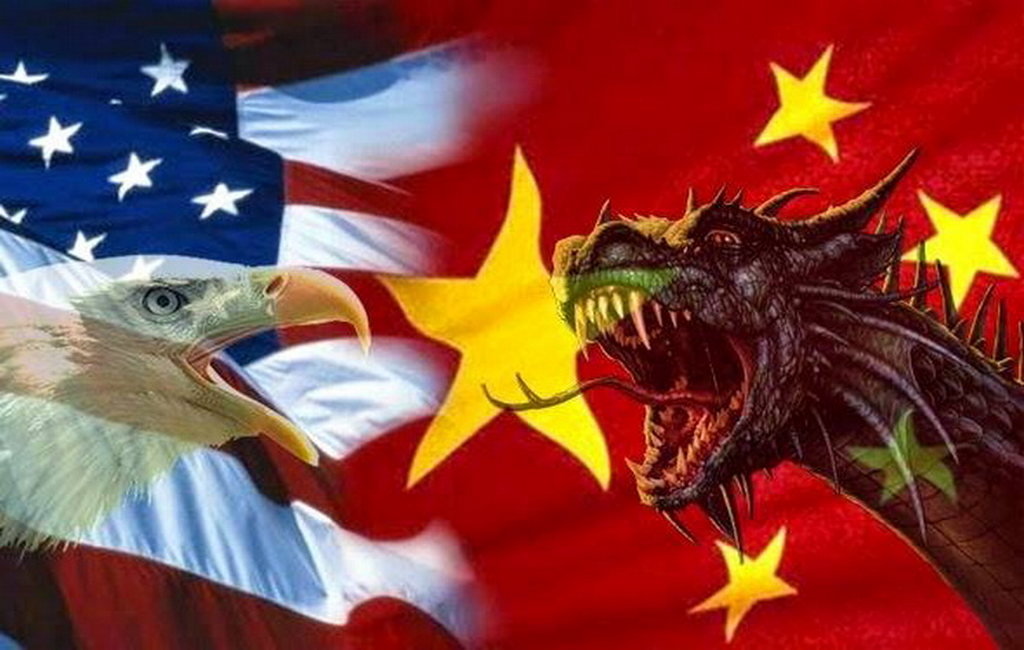
Media reports say US President Joe Biden and Chinese leader Xi Jinping spoke for several hours on November 15 in San Francisco on the sidelines of the Asia-Pacific Economic Cooperation (APEC) Summit.
After several years of deteriorating relations — and frozen communication — between Washington and Beijing, Biden reportedly characterized the talks as the “most constructive and productive” since he came to office.
But the increasing strategic competition between the two powers leaves major issues still to be addressed, such as China’s aggression in the South China Sea and Taiwan Strait, BRICS expansion, nuclear security, and the wars in Ukraine and the Middle East, the United State Institute of Peace (USIP) noted on November 16.
USIP’s experts discussed the diplomatic lead-up to this pivotal meeting, what Biden and Xi’s conversation did (and didn’t) address, and what it means for the trajectory of U.S.-China ties going forward.
Since the last Biden-Xi meeting in November 2022, the Biden administration has reportedly sent several senior officials to China in efforts to reopen lines of communication and stabilize ties.
Despite these visits, Beijing has reportedly declined requests for more than a dozen other senior-level engagements, such as one for a meeting between U.S. Defense Secretary Lloyd Austin and Chinese Defense Minister Li Shangfu at a security forum in Singapore in May 2023.
Meanwhile, other bilateral assurances between senior officials paved the road for the Biden-Xi meeting at APEC. Chinese Foreign Minister Wang Yi’s October visit to Washington was widely viewed as a chance to lay the groundwork for the upcoming Biden-Xi meeting in mid-November. At a meeting between U.S. Treasury Secretary Yellen and Chinese Vice Premier He Lifeng, the two countries reportedly agreed they would not seek a “decoupling” of their economies and pledged to improve business climates for American and Chinese companies. However, several major points of tension for the United States remained before the meeting, including human rights abuses in Xinjiang and Tibet, tensions along the Taiwan Strait, and wrongful detentions of American citizens, USIP’s experts note.
They said expectations were set very low going into November 15 meeting. Both the United States and China reportedly indicated that the main goal was to prevent the relationship from deteriorating further.
USIP’s experts say the most significant deliverable is the resumption of high-level military-to-military communication between the two countries.
Meanwhile, Atlantic Council says that in the lead-up to the meeting between Xi and Biden in San Francisco, Chinese state media has depicted the meeting as a triumph of “Xiplomacy” and Xi’s leadership. English-language coverage of the event in Chinese state media reportedly focused on Xi’s warm reception in San Francisco and outlined the benefits of positive relations for both sides. Chinese-language coverage reportedly highlighted Xi’s forward-leaning role in seeking to stabilize relations and also heavily emphasized the high turnout of overseas Chinese people and the diaspora community at the event, seeking to depict to a domestic audience the global support for Xi.
Atlantic Council notes that Biden’s meeting with Xi did little to resolve the underlying points of tension in the US-China relationship. Washington continues to view China as a systemic rival while Beijing remains convinced that the United States is trying to constrain it. However, neither Biden nor Xi expected—or intended—to overhaul the bilateral relationship in this meeting. Instead, it was an opportunity for both sides to set expectations and mitigate risks. The limited areas of policy agreement are a sign that both sides are willing to engage in some cooperation in the short-term, but neither is willing to divert from a broader course of strategic competition.
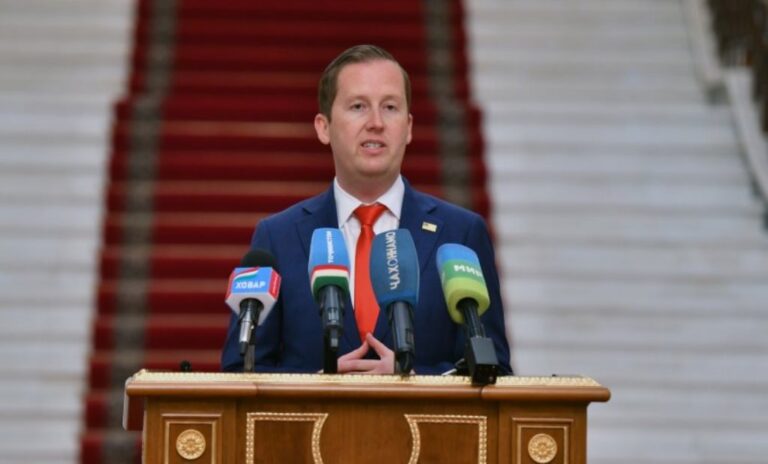
Tajik political scientist Muhammad Shamsuddinov says the confrontation between the two powers is becoming global and will affect all regions in the international arena, including the Central Asian region. He noted that this confrontation will have different intensity in different regions.
According to him, the Indo-Pacific region will the main region of the confrontation between these two world powers as they project their military-political forces here and “try to draw the countries of the region into their orbit.”
As far as Central Asia is concerned, Tajik expert believes that the confrontation between the United States and China in this region will have a lower intensity.
“ This is primarily due to the geographical location of the region, which, firstly, is located far from the United States and Washington cannot conduct sufficiently effective geopolitical activity hereб” said Shamsuddinov. “ Secondly, the region is in close proximity to traditional regional players, Russia and China, for whom it is important to keep the region in their orbit and prevent significant influence of “unfriendly” players here.”