Russia doesn’t like taking a back seat to China in Central Asia trade

It seems that the Russian authorities are having a hard time accepting that Russia is playing second fiddle to China when it comes to trade in Central Asia. Eurasianet says the reluctance of Russian officials to acknowledge trade reality was on display at trade fair “INNOPROM Central Asia” that took place in Uzbekistan’s capital, Tashkent […]

It seems that the Russian authorities are having a hard time accepting that Russia is playing second fiddle to China when it comes to trade in Central Asia.

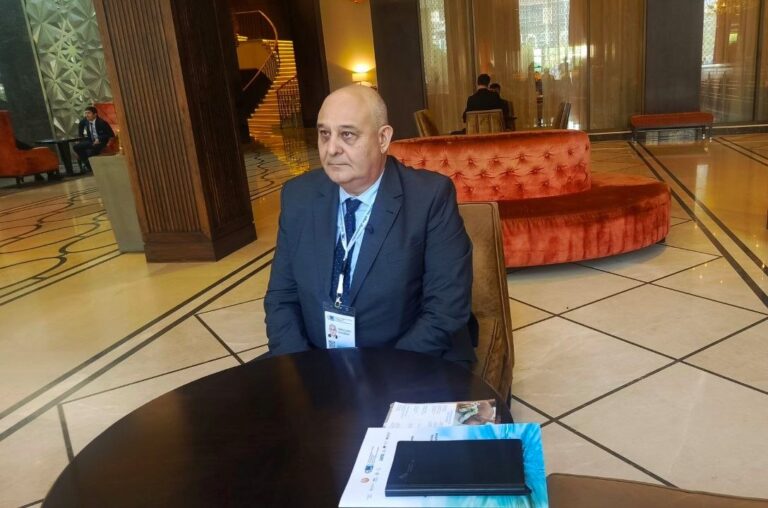
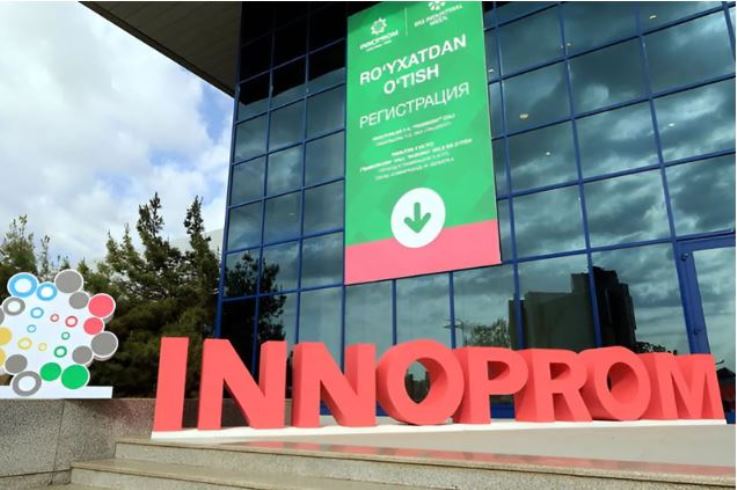
Eurasianet says the reluctance of Russian officials to acknowledge trade reality was on display at trade fair “INNOPROM Central Asia” that took place in Uzbekistan’s capital, Tashkent from April 22 to April 24.

TASS news agency reports that in a statement delivered at the exhibition, Igor Kamynin, Russia’s deputy trade representative in Uzbekistan, claimed, at least in the case of Uzbekistan, that Russia and China were “equal partners with an equal share in trade turnover” in the eyes of Uzbek leaders.  

To put Russia and China on the same trade level, Kamynin cited aspirational trade targets for 2030, in which Uzbekistan hopes to increase annual trade turnover with both Russia and China to 20 billion US dollars each.

Russian official noted that despite sanctions pressure, a two-way trade between Russia and Uzbekistan valued at almost 10 billion US dollars last year and has increased by 21 percent over the first two months of this year.   

Official Uzbek trade figures for 2023 reportedly take a pin to Kamynin’s bubble world, showing a wide trade-turnover gap between Russia and China at present. Uzbek-Russian bilateral trade last year valued at 9.8 billion US dollars, almost 30 percent lower than the Uzbek-Chinese total of 13.7 billion US dollars.

China is holding its lead so far this year, according to Uzbek official sources.  Bilateral trade turnover with China during the first quarter of 2024 amounted to 3.01 billion US dollars, while Russia trailed at 2.5 billion US dollars.  If the existing pattern holds for the rest of the year, the value of Uzbek bilateral trade with Russia will remain flat while China’s total will experience a decline.

Eurasianet notes that Uzbekistan is not an anomaly in the Russian-Chinese regional trade rivalry.  Official statistics for 2023 show China surpassed Russia in trade turnover with all five Central Asian nations. 

Join us on social media!

Article translations:

Related Article

Оби зулол
Оби зулол
Tenisi

Most Read

Коммерсбонк Точикистон

Recent Articles

RZD announces the restoration of passenger services between Moscow and Dushanbe

Direct rail services between the capitals of Russia and Tajikistan were suspended in March 2020 due to the COVID-19 pandemic.

#AP30/Stories. “Selam! Heller nichek?” How Tatars live today in Sughd province

On the 30th anniversary of "Asia-Plus," we continue to publish reports that remain relevant even after years. This story was told in 2021, and since then, little has changed in the life of the Tatar community in Tajikistan.

15,000 cameras, drones, and robots: how technology monitors pilgrims in Mecca and Medina

During Hajj 2026, Mecca and Medina were under unprecedented digital control.

Another child in Dushanbe removed from family and sent to boarding school

The Ministry of Internal Affairs reports that the parents did not pay adequate attention to the child.

Emomali Rahmon instructs to address issues in seed production following criticism of the industry

Issues have been noted with certification, seed quality, and the material and technical base of the industry.

Water, climate, and a $130 billion deficit: seven key outcomes of the Water Conference in Dushanbe

At the forum, countries and international organizations discussed new mechanisms for cooperation, investments, and technologies that are essential for addressing the global water crisis.

Eskhata Bank introduces a new generation children’s wallet

"Eshkata Bank" has created a full-fledged digital platform that helps children aged 7 to 16 learn how to manage money.