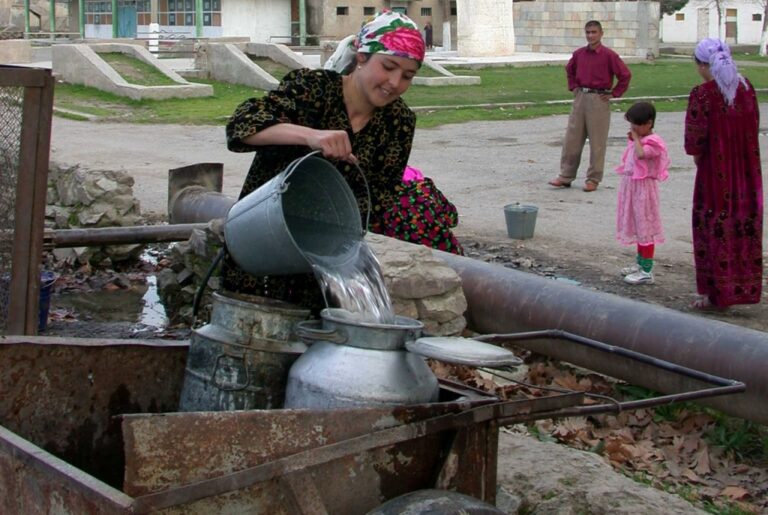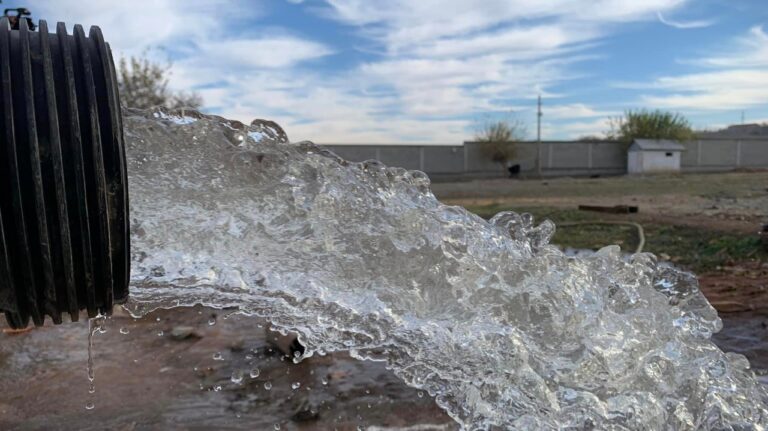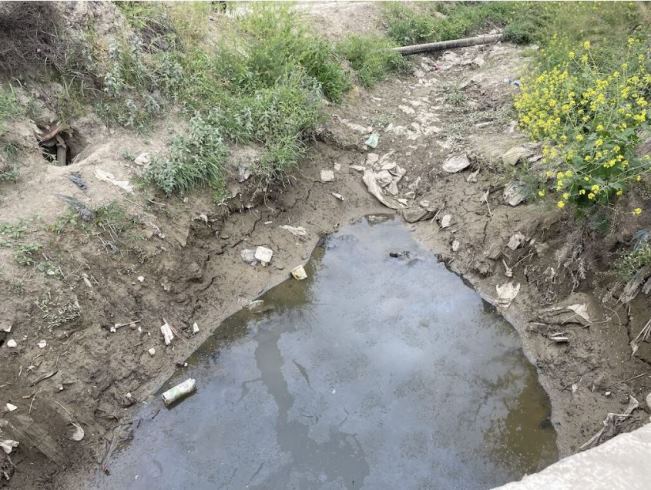
CABAR.asia says the residents of Uzbekistan’s Jizzakh region complain that due to a lack of irrigation water, they have to use drinking water to irrigate their lands. However, the traditions of saving water are forgotten.
For a long time, scientists have stated that, against the backdrop of global climate change, in particular, a sharp increase in air temperature, serious environmental problems are emerging in the world. Now, this is especially noticeable in the Central Asian countries. Annually, news websites report on natural disasters such as rising river levels, floods, droughts, and reduced flows in transboundary rivers.
These problems are acute in Uzbekistan. Especially, the residents of arid regions complain about this.
The experts at the Institute for Macroeconomic and Regional Studies researched how water shortages in Uzbekistan affect the agricultural sector in arid regions.
It is noted that due to climate change and increased water consumption from rivers such as the Amu Darya and Syr Darya in neighboring countries, water shortages in Uzbekistan could amount to about 7 billion cubic meters of water, and by 2030, the country could be among 33 countries of the world with acute water shortages.
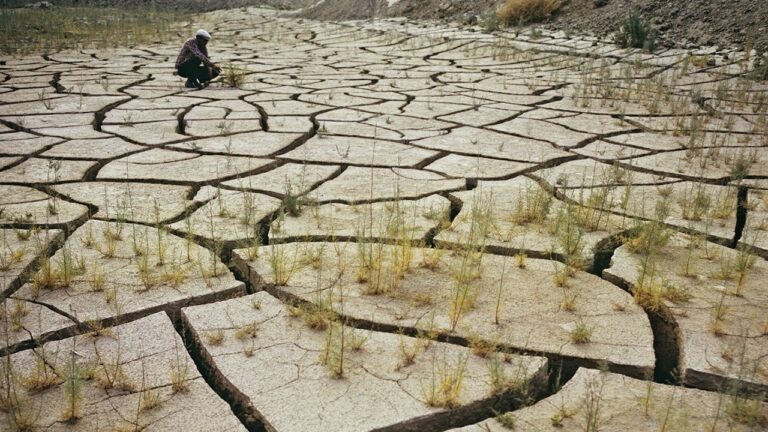
Researchers note that droughts and desertification of land may intensify and all this will seriously affect the living standards of the population.
The country’s agrarian sector, which consumes 90% of the total water in the areas located in the lower reaches of the Amu Darya and Syr Darya basins, could be affected greatly, the research says.
Therefore, scientists recommend gradually replacing agricultural crops that require a lot of water with those that require less in those regions of the country where there is already an acute shortage, in particular in the Republic of Karakalpakstan, Jizzakh, Syrdarya, and Khorezm regions.
The research reportedly examined the water consumption levels of drought-tolerant crops and suggested alternatives. However, the questions of how soon these recommendations will be implemented and how soon the population will get used to saving water remain open.
“More than 60% of Uzbekistan’s population consumes artesian and well water. Previously, water from artesian wells was at a depth of 70–80 meters but now, water comes out at a depth of 180–200 meters. This shows that the amount of drinking water is decreasing. It is a matter of concern that drinking water is used for other purposes and that secondary water is not available. If we do not change our attitude towards water, we will face a water crisis sooner,” the eco-activist Nargis Kosimova told CABAR.asia in an interview
Since 90% of water in Uzbekistan is used for agriculture, agricultural representatives should consider alternative and rational use of water, she added.
Overall, despite the measures taken by the government, the situation with water use in Uzbekistan remains difficult.
During a video conference held on October 20, 2023, chaired by President Shavkat Mirziyoyev, it was noted that over the past two years, a large volume of subsidies has been allocated for the water sector, including water-saving technologies. However, of 39 billion cubic meters of water consumed last year, 36% was lost in canals and ditches, the meeting participants noted. In addition, 5-6 billion cubic meters of water are wasted and dumped into sewers, since 70% of the land is irrigated as before.