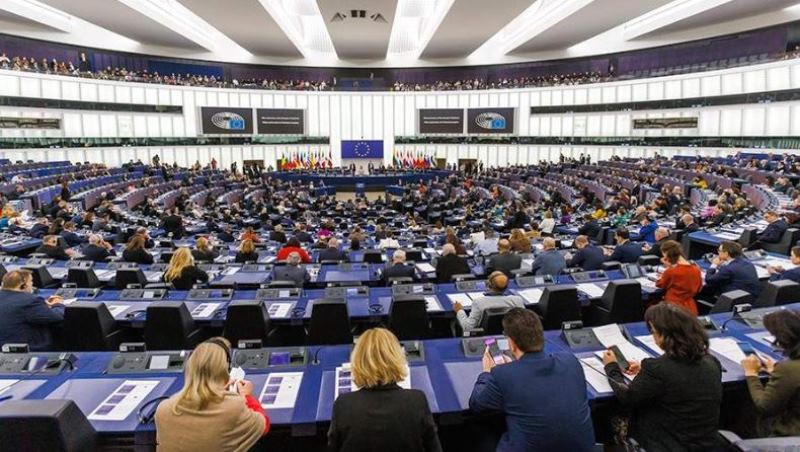
Eldaniz Guseinov from the Heydar Aliyev Center for Eurasian Studies at Ibn Khaldun University and independent analyst Sergey Marinin believe that the results of the European Parliament elections could be crucial for the future of the European Union (EU) and its relations with Central Asian countries. Amid growing conservative sentiments among EU citizens, the right-wing agenda is reportedly becoming increasingly relevant and is being actively adopted by centrist parties. In this article, they analyze the prospects for changes in the EU's foreign policy towards Central Asia in light of the new composition of the European Parliament and the potential strengthening of right-wing parties.
Experts note that following the European Parliament elections, the EU's foreign policy in Central Asia (CA) may change significantly, as the region has become a zone of geopolitical interest for the EU. The EU aims to develop trade and energy corridors bypassing Russia and to enhance access to rare earth metals. Security issues, transport routes, energy diversification, and regulatory aspects such as democratic reforms and human rights remain important. The rise of right-wing parties in Europe could lead to a focus on pragmatic cooperation and stricter visa regimes for CA countries. The growing influence of right-wing parties and Eurosceptics may make the EU's approach to Central Asia more fragmented, while centrist and left-wing parties may continue to insist on comprehensive engagement based on human rights.
The EU and Central Asia have their first full-scale summit scheduled to take place in Uzbekistan this year. It is not yet clear whether familiar figures like European Commission President Ursula von der Leyen and European Council President Charles Michel will attend this summit, or if new faces will emerge on the scene following the European Parliament elections.
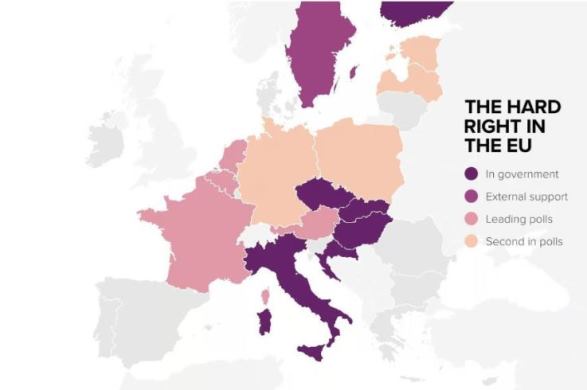
Migration, economic crisis, and social stratification are the issues facing the EU ahead of the European Parliament elections. Against this backdrop, right-wing parties, which adhere to nationalist, populist, and conservative approaches, are gaining popularity in Europe. These parties actively advocate for reducing the powers of EU institutions and increasing the sovereignty of member states. They often support protectionist economic policies to shield domestic industries from international competition, promoting economic nationalism that prioritizes national enterprises and industries over foreign ones.
Europe is rapidly shifting to the right, with far-right parties dominating public opinion polls across much of the continent. According to some polls, in the upcoming EU elections (June 6-9), far-right parties could gain more than 30% of the vote, significantly strengthening their positions in the European Parliament. Some forecasts even suggest that, for the first time, a far-right coalition of Christian Democrats, conservatives, and far-right MEPs could secure a majority in parliament.
However, despite the popularity of right-wing sentiments among EU voters, right-wing party blocs are ideologically heterogeneous. This makes their potential for unity uncertain, meaning the consolidation of right-wing forces might not occur, and the right-wing agenda could be co-opted by centrists. Additionally, internal party contradictions, ideological differences, and image problems among individual party leaders could undermine the chances of these parties ultimately gaining more votes and strengthening their influence on the EU's political priorities.