The ancient festival of Mehrgon, celebrated in Iran and Tajikistan, and the Art of Crafting and Playing Rubob have been inscribed on UNESCO's Representative List of the Intangible Cultural Heritage of Humanity.
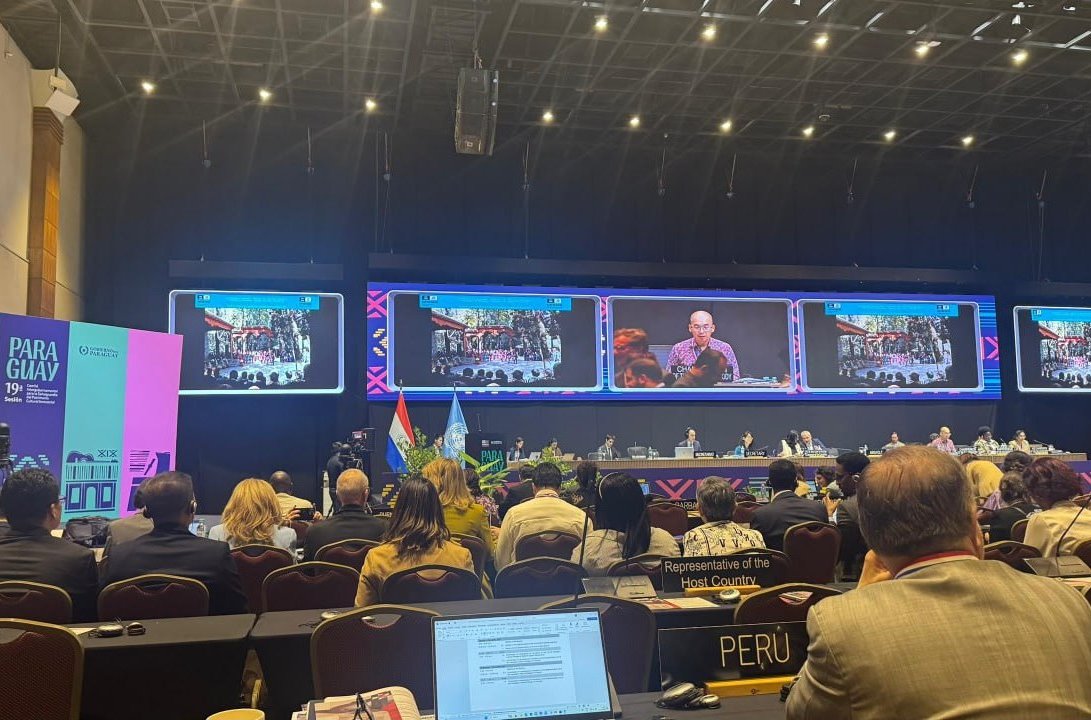
Tajik MFA information department says the recognition was announced yesterday during the 19th Session of UNESCO's Intergovernmental Committee for the Safeguarding of the Intangible Cultural Heritage, held in Asunción, Paraguay.
During the session Tajikistan`s joint nomination with Iran “Ceremony of Mehregan”, as well as Tajikistan`s joint nomination with Afghanistan, Iran Uzbekistan “The Art of Crafting and Playing Rubab” were inscribed on the UNESCO Representative List of Intangible Cultural Heritage of Humanity.
The recognition emphasizes the cultural significance of the traditional musical art of the four countries.
Mehrgon (Mehregan in Persian) is a popular Iranian festival that is celebrated in the autumn of every year. It aims to celebrate the Persian culture and is a tribute to the season of Fall (the harvesting season). It was reportedly originally a feast honoring the Persian god Mithra (modern Mehr).
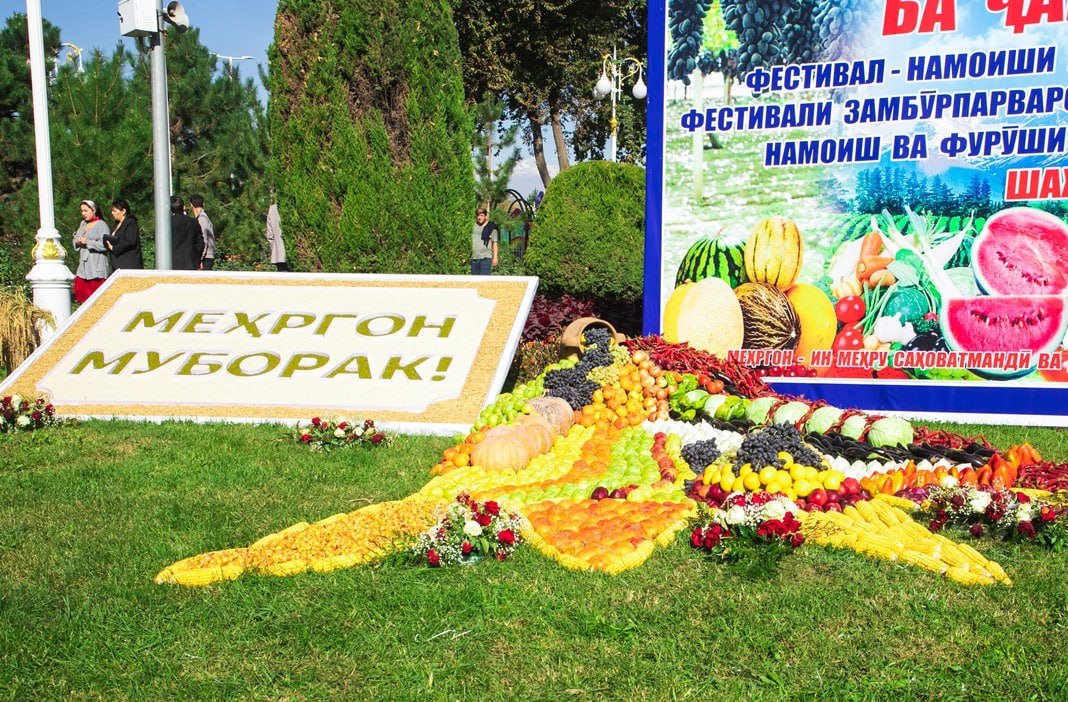
In Tajikistan, Mehrgon is celebrated as a post-harvest Thanksgiving festival, emphasizing shared customs such as feasting, music, and community gatherings.
Farmers and gardeners are key participants, reflecting the festival’s agrarian roots. The event is also an important occasion for social cohesion, bringing together people of all ages, genders, and backgrounds to foster mutual respect and solidarity.
Tehran Times reports that in Iran, Mehregan is celebrated primarily within Zoroastrian communities, as well as in rural Muslim ceremonies. The festival involves diverse rituals, including the recitation of Zoroastrian sacred texts, the setting of a traditional tablecloth adorned with seasonal foods, and the preparation of special dishes.
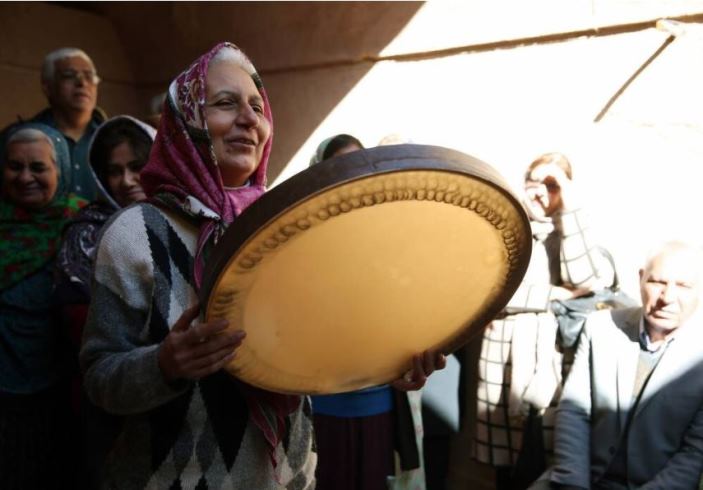
Music, local wrestling, and communal feasts are integral parts of the celebrations. In urban centers, the festival is less common but remains significant in specific regions such as northern Iran and among Zoroastrian communities in provinces like Yazd, Fars, and Tehran.
The rubob (also spelled rabab or robab) is much more than just a musical instrument. It is a cultural beacon that has united communities across Afghanistan, Iran, Tajikistan, and Uzbekistan for centuries. This lute-like instrument with a hollow bowl covered in animal skin is often called the “lion of instruments” for its deep, resonant tones.
Historically played at ceremonies, weddings, gatherings, and even funerals, it has long been a key element in the cultural rituals of these communities. The instrument features prominently in Sufi spiritual music, Maqam performances, and folk gatherings across Central and South Asia. Its enduring presence across generations showcases the strength of cultural bonds and the resilience of traditional music in the face of modern challenges.
In Tajikistan and Afghanistan, the rubob is often played during religious and social gatherings, symbolizing peace, harmony, and spiritual connection. In Iran, it has an essential role in regional folk music, particularly in the eastern provinces of Baluchistan and Sistan.