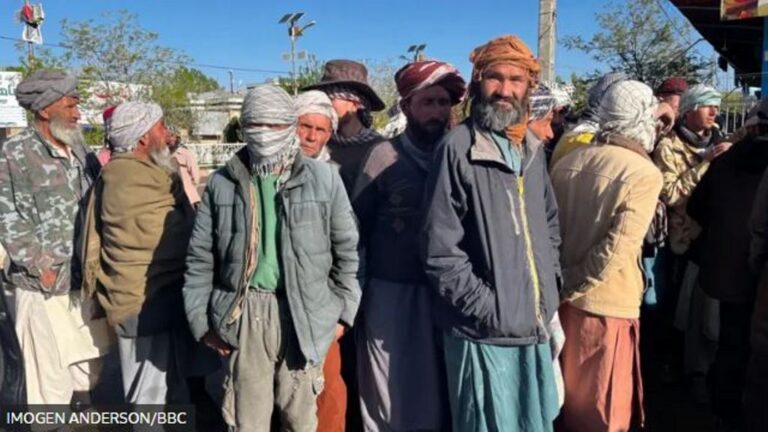
After living on the margins of society for most of their lives, nearly 220,000 people have been granted nationality by Central Asian states over the past decade, the UN Refugee Agency (UNHCR) says.
A decade ago, there were more than 255,000 people who were not recognized as citizens of any of the nations in Central Asia, a region that includes Kazakhstan, Kyrgyzstan, Tajikistan, Turkmenistan and Uzbekistan.
The majority had been citizens of the former Soviet Union until its collapse in 1991 and had not acquired citizenship of the independent states that came afterwards, while others, did not have their births registered, mostly due to costs and bureaucratic hurdles.
Over the past decade, driven by UNHCR’s #IBelong advocacy campaign to end statelessness and government commitments, Central Asia’s nations have resolved more than 218,000 cases of statelessness on their territories
Currently, one-third of all recorded cases of statelessness globally are in Central Asia, with 34,000 cases still unresolved.
A long road to citizenship
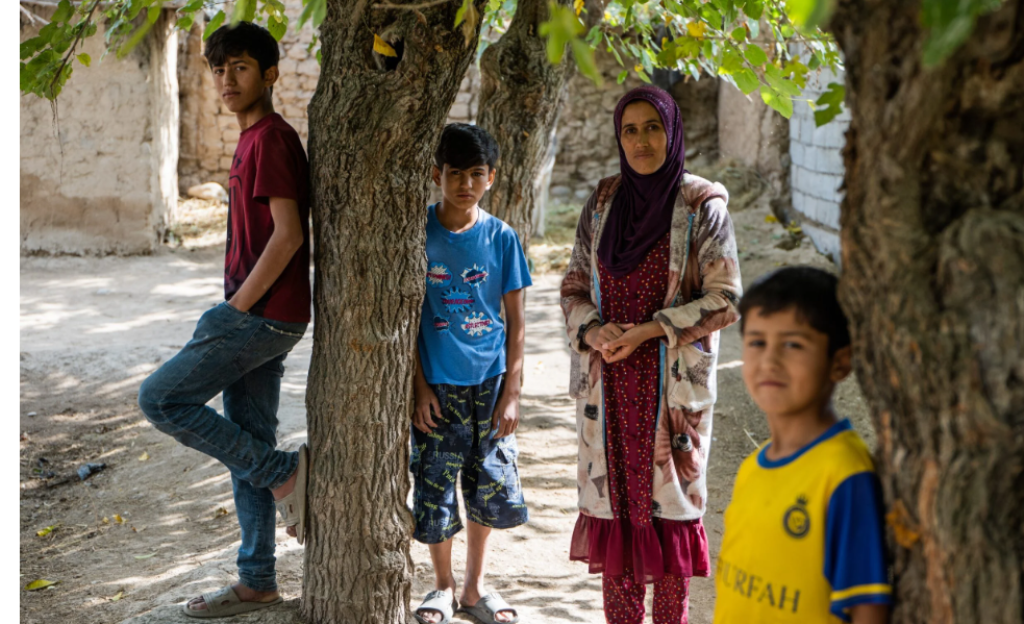
One notable example is the story of Adolat Shabozova, born in 1988 in Tajikistan. She was stateless for over 30 years due to her parents’ inability to pay for her birth registration.
Without documents, Adolat and her children lived without official status, which limited their rights and opportunities.
Despite the challenges, Adolat managed to get a primary school education and later married and had three children. But when her husband was diagnosed with tuberculosis, Adolat had to become the family breadwinner.
Without legal identity, formal employment was impossible, and eventually Adolat found the only job she could: casual work washing dishes at weddings.
Her circumstances changed when she sought help from the NGO Chashma, a non-governmental partner organization of UNHCR, that offers free legal support to vulnerable groups, including stateless people. Chashma helped Adolat navigate the process of applying for her identity documents, and in 2022 she received her Tajikistan passport, ending decades of anxiety and uncertainty. a UNHCR partner that assists stateless individuals in obtaining legal documents.
In 2022, Adolat finally received her Tajik passport, ending her decades-long struggle and opening new opportunities for her and her family.
Steps to address statelessness
Central Asia has made significant legislative strides to address statelessness.
In 2019, Kyrgyzstan became the first country in the world to fully eliminate statelessness on its territory by granting citizenship to all undocumented individuals.
In November 2024, Turkmenistan also announced the successful resolution of all known cases of statelessness within its borders.
These milestones underscore the region's commitment to tackling statelessness, which largely stems from the dissolution of the Soviet Union in 1991.
Many stateless individuals were citizens of the USSR who did not acquire citizenship in the newly independent states. Others, like Adolat, became stateless due to unregistered births, bureaucratic obstacles, or the high costs of obtaining documents.
To address this global issue, UNHCR launched the Global Alliance to End Statelessness in 2024, continuing its efforts worldwide.
Challenges of gaining citizenship in Tajikistan
Obtaining Tajik citizenship can be a complex process requiring adherence to several conditions and submission of extensive documentation.
Key Requirements for Citizenship:
- Residing in Tajikistan for at least five years with a residence permit (no more than three months of annual absence abroad).
- Proficiency in the Tajik language.
- A clean criminal record.
- Providing numerous documents, including certificates of good conduct and health status.
Simplified procedures are available for:
- Individuals with significant achievements in science, sports, culture, economics, or healthcare.
- WWII veterans who were citizens of the USSR and reside in Tajikistan.
- Children or individuals under guardianship of Tajik citizens or in Tajik institutions.
- Persons born in the Tajik SSR who did not acquire citizenship in other post-Soviet states.
Tajikistan's strict requirements reflect broader regional challenges but also highlight the importance of ongoing advocacy and legislative reforms to support stateless individuals.