The upcoming year 2025 will bring numerous changes for migrants planning to live and work in Russia. Stricter monitoring of undocumented migrants will begin, making it crucial to follow all new rules.
Shortened visa-free stay period
As of January 1, 2025, the temporary stay of foreign citizens without visas will be limited to 90 days within a calendar year instead of 90 days within 180 days. Foreigners will also be obliged to register at their destination within seven working days of crossing into Russia.
Tajik citizens do not need a visa to enter Russia, but this does not mean they can stay indefinitely. Now Tajik citizens may stay in Russia without visa for three months. They will now be allowed to remain visa-free for only 90 days (three months) within a year. Previously, this limit applied to a six-month period, but starting in 2025, it will apply to a full calendar year.
Importantly, the 90 days do not have to be consecutive—they can be spread out over the year. The countdown does not reset when a person leaves and reenters Russia.
Students and migrants who obtain a work permit will be eligible for temporary residence permits or permanent residence.
Deportation regime for undocumented migrants
The deportation regime will come into effect on February 5, 2025. What does this mean?
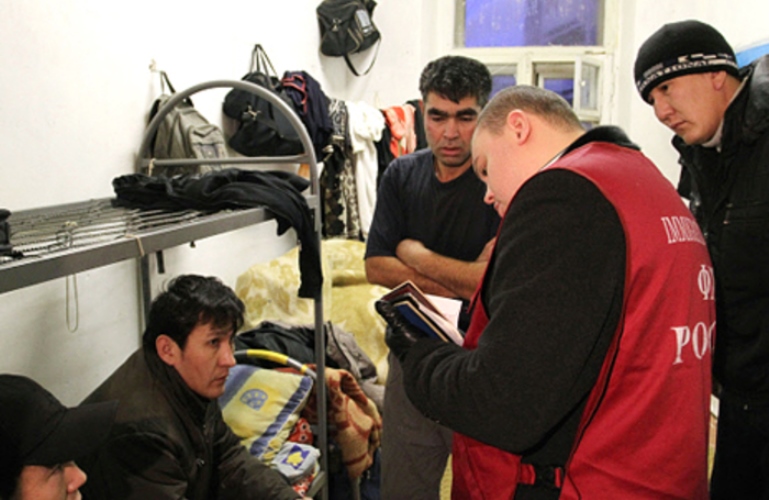
If a migrant is undocumented and unlawfully residing in Russia, their information will be added to a registry of monitored individuals.
Once included in this registry, the individual must resolve their legal issues or leave the country immediately. Until they do so, the deportation regime will impose several restrictions, including the inability to:
- Purchase cars or real estate,
- Drive vehicles,
- Travel outside the region of residence (except for crossing the state border),
- Register a marriage,
- Open bank accounts.
These inconveniences are reportedly intended to encourage individuals to resolve their undocumented status as quickly as possible.
Mandatory fingerprinting upon entry
Fingerprinting will be required for some foreign nationals entering Russia, primarily at airports in Moscow. Fingerprinting will apply to those arriving for work or planning to stay longer than 90 days. They will also be photographed upon entry.
Currently, fingerprinting and photographing are part of a pilot program but are expected to expand across Russia in the future.
Once migrants’ fingerprints and photographs are collected, the data will be stored electronically in the Ministry of Internal Affairs' database. This will create a digital profile akin to an electronic passport, containing details such as full name, citizenship, entry date, and work permit status.
Stricter hiring restrictions
Employment for foreign nationals has already been restricted in 22 regions of Russia. Starting January 1, 2025, similar restrictions will apply to the Moscow region (but not yet to Moscow itself).
In the Moscow oblast, foreign nationals with work permits will be barred from employment in:
- Healthcare,
- Education,
- Culture,
- Sports,
- Entertainment,
- Alcohol and tobacco sales,
- Street food vending at non-stationary points.
Stricter border controls
Changes in migration laws will also affect border crossings. Starting February 5, 2025, border officers will have broader grounds to deny entry to foreign nationals.
For instance, entry may be denied if there is a suspicion that the individual poses a threat to Russia’s security. Decisions can be made on the spot by border officers without consulting higher authorities.