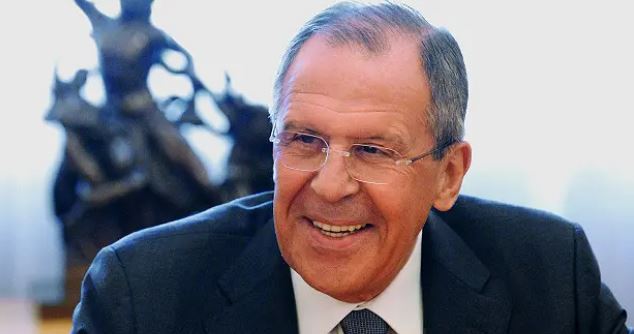
Russia should tighten control over the behavior of labor migrants but not introduce a visa regime against them. This was stated by the Russian Foreign Minister Sergey Lavrov during a government hour in the State Duma, TASS reported on February 18.
“We believe that it is necessary to tighten control over their behavior. But we should not set up barriers, especially not introduce a visa regime. Yes, compared to the previous order, additional measures are being taken. But these are aimed at tightening control, not creating obstacles for labor migration,”" Lavrov said in response to a question from parliamentarians about possible changes in the approach to migrants.
Overall, the top Russian diplomat expressed confidence that “any tightening of approaches towards labor migrants from Central Asia, particularly, from the South Caucasus and other former republics, will not contribute to Russia's long-term interests.”
"Yes, of course, it is necessary to monitor order. Many violations have been recorded from a number of geographical directions from which migrants arrive," admitted the head of the Russian Ministry of Foreign Affairs.
“We specifically held several meetings with ambassadors of the member states of the Eurasian Economic Union (EAEU). We answered their questions in detail and explained the logic we follow," the Russian minister reminded.
“Indeed, in the foundational documents on the creation of the EAEU, it is written that citizens of all member states of the union have equal rights: they can arrive without any invitations, without confirming where they will work, and so on. But perhaps, this will now have to be clarified," Lavrov added.
“The arrival of migrants should be controlled, and the relevant authorities should understand where the people who have come to work are located. Who provides them with work and is responsible for their compliance with Russian laws," Lavrov emphasized.
He expressed confidence that "all this can be done without creating artificial obstacles in relations with our closest allies." "Yes, indeed, there are laws for everyone. But laws evolve according to the demands of life," stated the head of the Ministry of Foreign Affairs.
As a reminder, since January 1, changes in Russia’s migration policy have come into effect, which reduce the temporary stay period for foreigners in Russia without a visa by half—from 180 to 90 days total per year.
Additionally, since February 5, border guards have had more grounds to refuse entry, particularly if they can make a decision on the spot—without referring to other authorities—if a foreigner poses a threat to Russia's security.
Also, until April 30, 2025, any foreigner who violates the stay regulations in Russia must visit the territorial division of the Ministry of Internal Affairs or contact the branch of the Federal State Unitary Enterprise "PVS" of the Ministry of Internal Affairs of Russia at their location to resolve their legal status.
According to the Russian president's decree, such violators will not be expelled from the country or placed in special institutions. They will also not be banned from entering Russia.
In 2024, the State Duma passed 14 laws tightening migration policies. Speaker Vyacheslav Volodin assured that migration would not be banned, but expressed the opinion that the number of sectors in which foreign nationals are allowed to work should be limited.