Tomorrow, on March 27, the 20th meeting of the foreign ministers of the European Union (EU) and Central Asia will take place in Ashgabat. The key goal of the meeting is to lay the groundwork for the first-ever EU-Central Asia Summit.
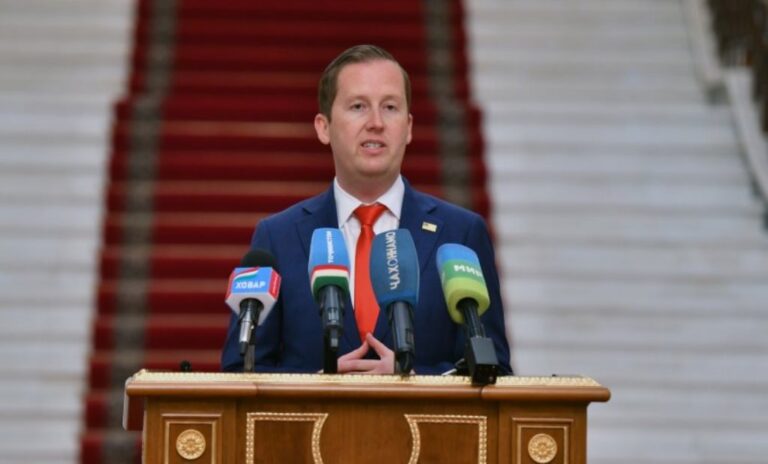
Just a few days before this event, the EU Ambassador to Tajikistan, Raimundas Karoblis, met with journalists in Dushanbe.
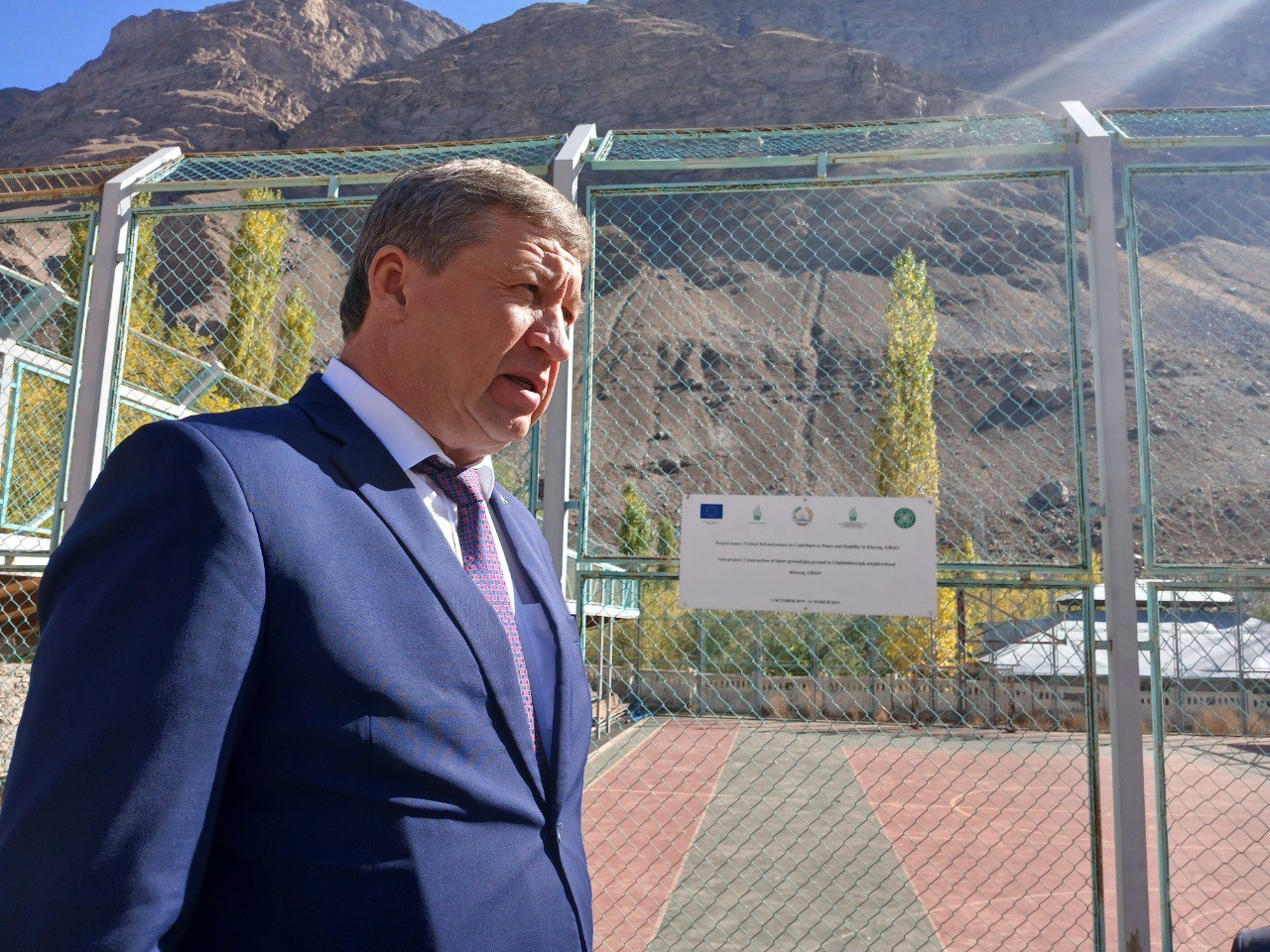
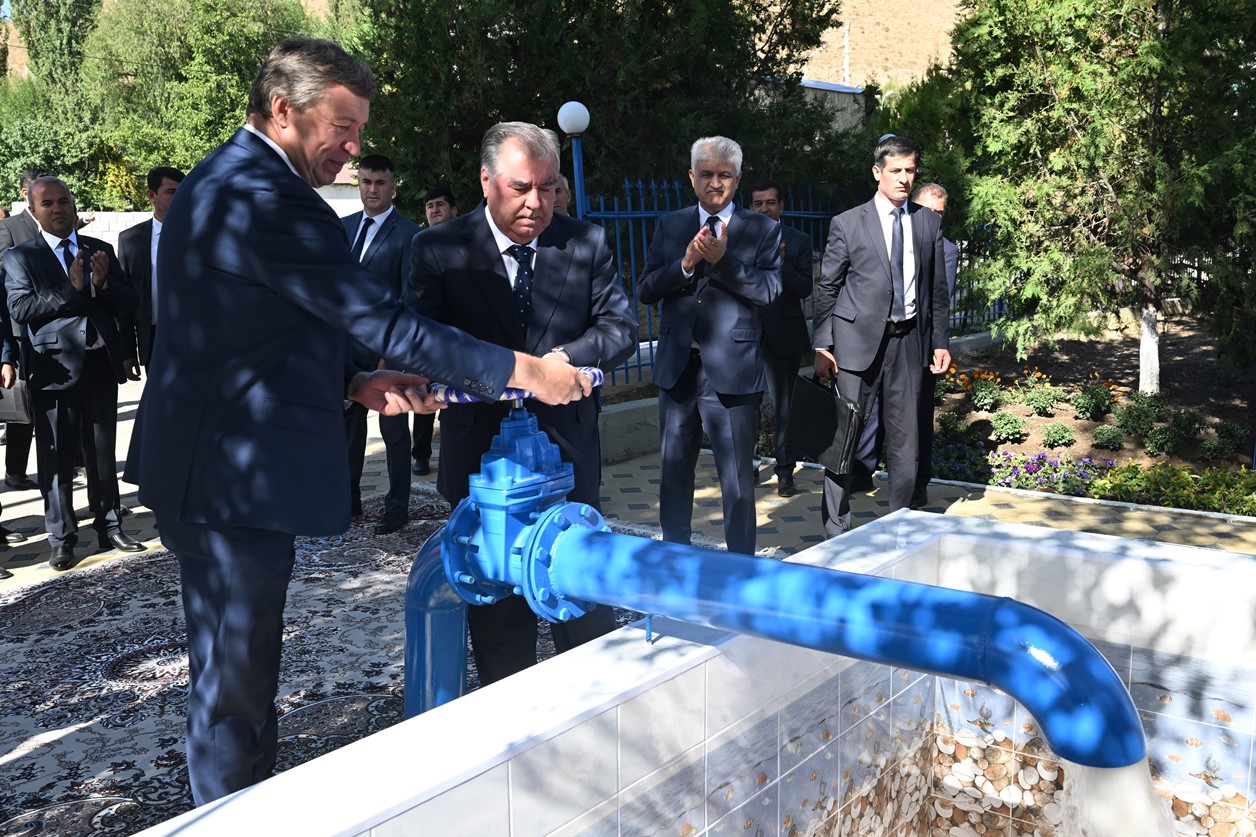
Journalists were interested in the question of EU assistance amid its suspension from the US through USAID. Raimundas Karoblis stated that the EU’s assistance programs and those of the US are separate and do not depend on each other. He assured that EU aid will continue and will not decrease.
At the same time, there are no plans to increase this assistance because the assistance plan is approved until 2027, and it cannot be changed. Whether this assistance will increase after 2027 remains to be seen.
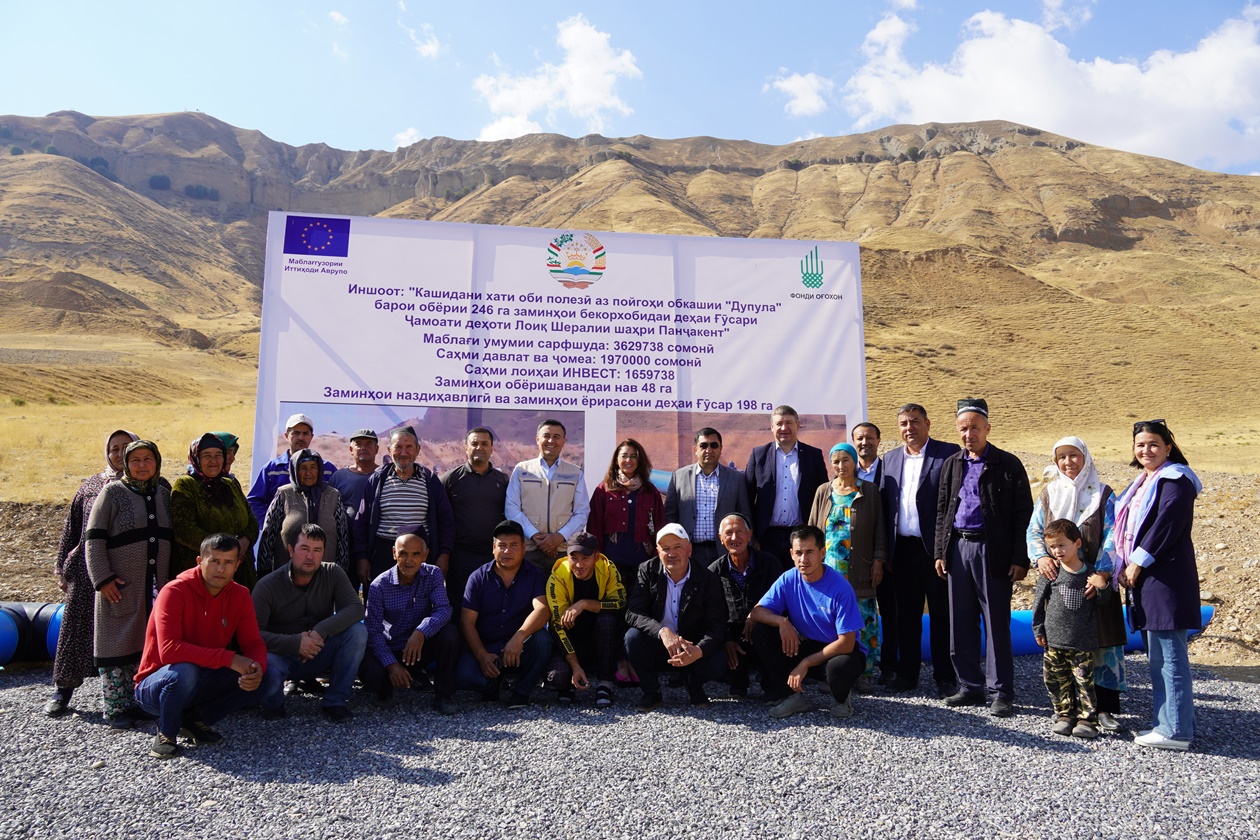
How does the EU cooperate with Central Asian countries?
The EU and Central Asian countries regularly interact at the highest political level to discuss their relations. This year, the 20th meeting of the EU and Central Asia foreign ministers will take place in Ashgabat, Turkmenistan. At the meeting, the ministers intend to prepare the ground for the first-ever Summit between the EU and Central Asia, which will be held in Samarkand, Uzbekistan from April 3-4, 2025. The President of the European Council, the President of the European Commission, and the Presidents of the five Central Asian countries will participate in the summit.
Mr. Raimundas Karoblis stated that the aid provided by the EU and its member states makes the EU the number one provider of development assistance in Central Asia.
The EU has allocated more than 550 million euros to the region for the period 2021-2027. Tajikistan has been allocated 142 million euros for this period.
The EU's focus is on three priority areas: inclusive green and digital economy; human capital development; and natural resource management, efficiency, and sustainability.
Global Gateway strategy and Team Europe initiatives
The Global Gateway strategy represents the EU’s commitment to bridging global investment gaps by fostering sustainable connectivity in digital, energy, and transport sectors while strengthening education and research systems.
The EU's regional flagship initiatives for the Global Gateway strategy in Central Asia focus on strengthening cooperation in four areas, enhancing safe and reliable connections in: 1) the Trans-Caspian Transport Corridor; 2) digital connectivity; 3) water, energy, and climate change; and 4) critical raw materials.
The development of the Trans-Caspian Transport Corridor plays a key role in creating a modern, competitive, and efficient route connecting Europe and Asia within a maximum of 15 days.
The EU supports the Trans-Caspian Transport Corridor through various regional programs totaling over 88 million euros (the regional transport program in Central Asia – 30 million euros, the Central Asia Prosperity program – 28.4 million euros, and the EU program “Connectivity in Central Asia” – 30 million euros).
Additionally, the EU will support investments in infrastructure related to the corridor through a blend of contributions and credit guarantees.
Within the Team Europe initiatives (‘TEIs’), the EU cooperates with the countries of the region in digital connectivity, water, energy, and climate.
This means that the EU, together with its member states, including their implementing agencies and development banks, as well as the European Investment Bank (EIB) and the European Bank for Reconstruction and Development (EBRD), are uniting and consolidating their resources.
The TEI for digital connectivity has pooled 80 million euros, with the EU contributing 55 million euros. This financial assistance will ensure the expansion of digital connectivity in line with the highest international standards, which is essential for inclusive and sustainable economic and social development.
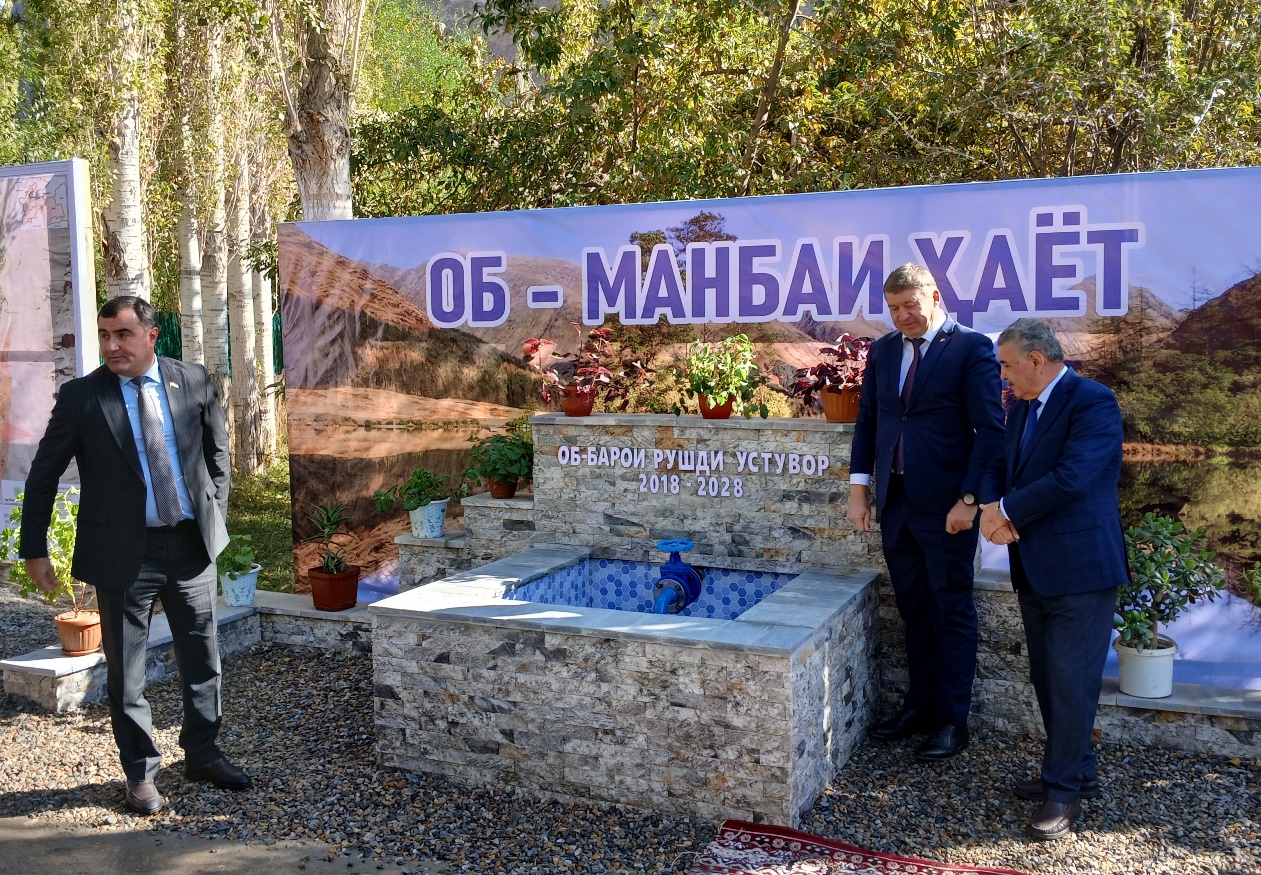
The TEI for water, energy, and climate change has pooled 700 million euros, with the EU contributing 200 million euros. This financial assistance will support the sustainable management of water and energy resources, address environmental issues, and tackle climate change problems in the five Central Asian countries.
In the area of cooperation on critical raw materials, the EU has allocated a total of 16 million euros for the region. The EU can offer its expertise in advanced extraction, processing, and recycling of critical raw materials. In particular, the European Union supports strengthening local value chains in Central Asia, aligning with European and international standards for decent work and environmental protection, as well as promoting sustainable investment projects.
Furthermore, under the European Fund for Sustainable Development + (EFSD+), a guarantee agreement worth 30 million euros has been provided, which will launch investments in renewable energy and critical raw material extraction projects.
Support for security and civil society
The EU and Central Asia are working together to strengthen the security and stability of the region. The Border Management in Central Asia Program (BOMCA) aims to enhance cross-border cooperation in the region through comprehensive border control. This facilitates cross-border trade and mobility of people, while also helping to combat organized crime and human trafficking.
The EU also supports efforts to reduce drug demand, prevent drug use, and address the medical aspects of drug consumption through the Central Asia Drug Action Program (CADAP).
The EU has long-term cooperation with Tajikistan to strengthen the capacity of its Border Guard Forces. The third phase of the EU-funded and OSCE-implemented project began in October 2024 and focuses on strengthening monitoring systems along hundreds of kilometers of the Tajik-Afghan border and enhancing the capabilities of Tajik border forces.
The EU supports the Tajik government in its efforts to combat terrorism through various bilateral and regional initiatives.
The European Union supports a strong civil society, which is a key player in fostering a dynamic and resilient population in Central Asian countries. An annual civil society forum between the EU and Central Asia is held in the region.
The EU also supports the participation of young people from Central Asia in national and regional political processes.
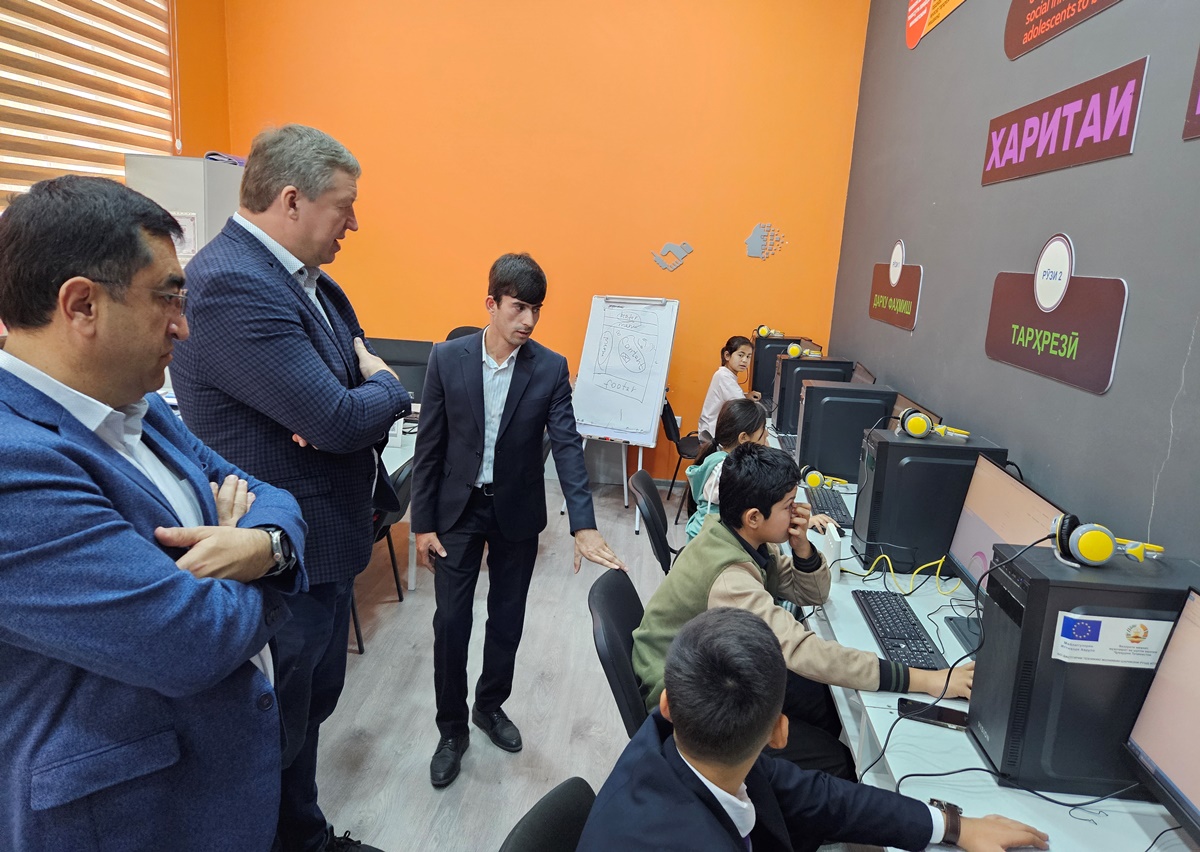
The Regional Civil Society Fund for Central Asia, worth 4.5 million euros, was launched in September 2024.
To support inclusive skill development that meets labor market needs for young women and men in Central Asia, the European Training Foundation (ETF) is implementing a 10-million-euro program called DARYA, which promotes Dialogue and Action for Resourceful Youth in Central Asia.
ERASMUS+ enables young people to study at European universities, and students from the EU to study in Central Asia. From 2021 to 2027, 73 million euros are allocated to this program for Central Asia. The EU also supports education sector reforms in Tajikistan, allocating 95 million euros from 2013 to 2027.