Chronic malnutrition, rising obesity among children, and vulnerability to climate change are key challenges facing Tajikistan, according to the Europe and Central Asia: Regional Overview of Food Security and Nutrition 2024 report, released by the United Nations on April 2, 2025.
Malnutrition and overweight
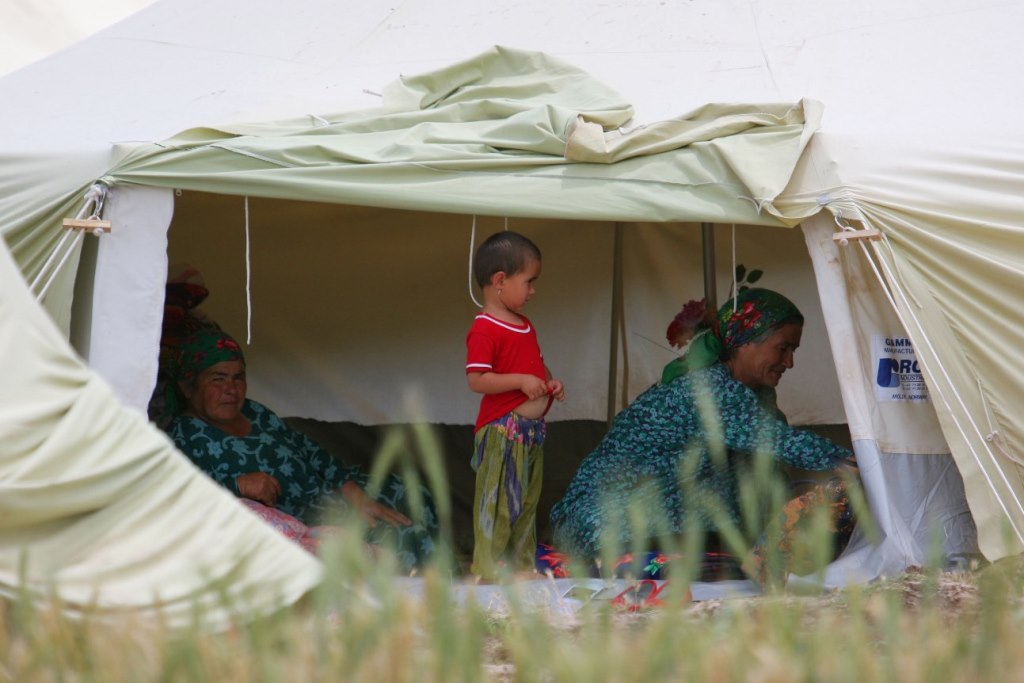
According to 2022 data, 13.1% of children under 5 in Tajikistan suffer from stunted growth due to chronic malnutrition, a level considered of medium significance from a public health perspective. The wasting rate is 9.9%, which is also higher than the global target of 3%. Particularly concerning is the increase in overweight rates: from 4.6% in 2000, the figure rose to 21% in 2022.
Water and climate
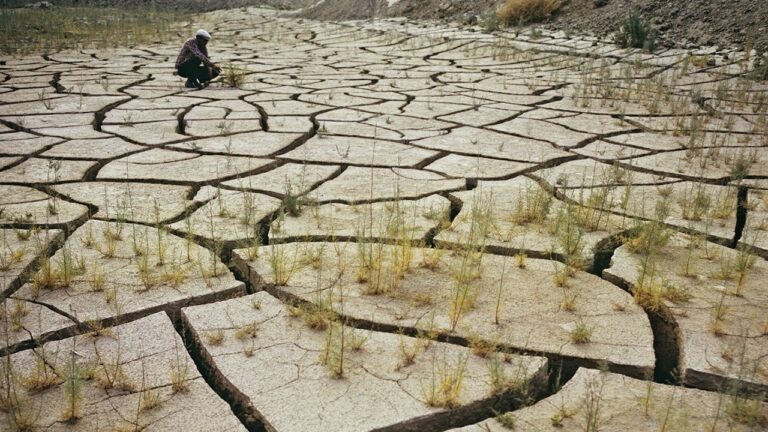
Tajikistan is actively reforming its water resource management system. Since 2020, a new Water Code has been introduced, and by 2026, the institutional framework for managing the country's five river basins is expected to be completed. Water user associations play an important role in decision-making. However, the country remains especially vulnerable to climate change, and agriculture, which forms the backbone of the food system, contributes to greenhouse gas emissions.
Gender inequality in Tajikistan’s agriculture
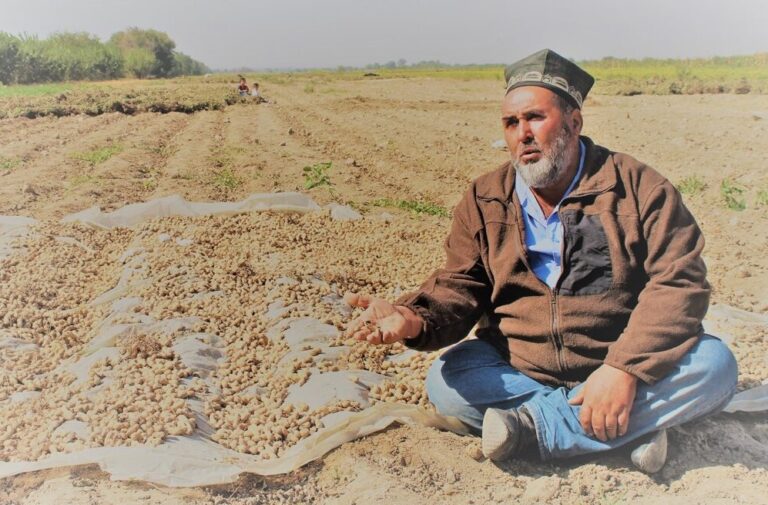
Women make up a significant part of the labor force in agriculture, but they often work informally, without pay or access to social protection. Their participation in decision-making is limited due to weak access to land and resources. The report emphasizes the need for comprehensive measures—from improving nutrition and water management to expanding women’s rights and climate adaptation.
Food security issues in Europe and Central Asia
Despite relatively low levels of hunger in the countries of Europe and Central Asia, food security remains a problem. In 2023, about 107 million people (11.5%) in the region faced moderate or severe food insecurity. Although this is 1.5 million fewer than the previous year, approximately 24.5 million people live with acute food insecurity. Central Asian countries are particularly vulnerable, where the diets of 2.3 million people (about 3%) do not meet minimum energy needs. The problem is exacerbated by socio-economic difficulties, climate risks, and the ongoing conflict in Ukraine.
Among positive trends are a reduction in child malnutrition and anemia in women. However, the prevalence of obesity among adults (over 20%) is rising, and the percentage of overweight children under 5 years remains high (7.1%). Additionally, about 64.3 million people (6.9%) cannot afford healthy food, a worrying figure, though it is lower than the global average.
Water as the key to food security in the region
The new UN report raises the issue of water security, covering drinking water, sanitation, water quality, regulation, and the efficiency of water use. Special attention is given to the link between water and food security: growing demand for animal products increases pressure on water resources, especially in countries with low water availability.
Key problems include outdated infrastructure, climate change, pollution, lack of data, and weak cross-border cooperation.
“Even with limited access to water, countries in the region demonstrate relatively low levels of food insecurity,” says one of
report's co-authors, Tamara Nanitashvili. “However, the lack of safe water and sanitation in rural areas impacts nutrition levels.”
The report calls for investments in water conservation, water reuse, reducing the "water footprint" of agriculture, and strengthening regional cooperation.
The document was prepared by seven UN organizations, including FAO, UNICEF, UNDP, WHO, and WMO, which expressed their readiness to support governments and seek sustainable solutions together with new partners.