Starting from April 1, 2025, tariffs for thermal energy suppliers in Dushanbe have increased by 50%. However, it is not yet known whether this will lead to higher prices for the population. It is expected that Dushanbe's heat distributing network will now purchase heat from producers at a new price of 25.50 somonis per gigacalorie (Gcal), which is 50% higher than before.
Currently, residential customers pay 1.18 somonis per square meter of heated residential space, and there has been no information about changes to this rate. The Dushanbe head distributing network stated that there have been no discussions about possible price increases for the population, but if prices do rise, it will happen in the new heating season.
Therefore, the issue of raising tariffs for the population remains open, and changes may be introduced in the upcoming heating season depending on the situation.
Will it increase for the population as well?
New tariffs for heat energy suppliers in Dushanbe will increase by 50% starting from April 1, 2025. This is stated in a government decree of Tajikistan dated March 13, 2025, a copy of which has been published on the informational-legal portal of the Ministry of Justice of Tajikistan.
According to the decree, Dushanbe’s heat distributing network, which is the heat supplier for the capital, will now buy thermal energy from producers— combined heat and power (CHP) plants—at the price of 25.50 somonis per gigacalorie (Gcal). Previously, the price was 17 somonis.
The federally funded institutions will pay 148 somoni per Gcal starting from April 1 (previously 98.67 somoni), and all other consumers will pay 170.20 somoni (previously 113.47 somoni).
It should be noted that Dushanbe’s heat distributing network buys heat from producers—combined heat and power plants—and sells it to the population at a price agreed upon with the Antimonopoly Agency.
Currently, residential customers pay 1.18 somoni per month for each square meter of heated residential space.
An official sources within the Dushanbe heat distributing network told Asia-Plus that it is not yet known whether the price for heat for the population will change.
“At the moment, there is no information on this, and no discussions have taken place. If the heat price does increase, it will happen by the new heating season," the source said.
It is worth noting that over the past five years, tariffs for thermal energy for Dushanbe’s het distributing network, federally funded institutions, and other consumers have remained unchanged.
The last price increase for heat energy in the country occurred on September 1, 2019. At that time, the price for Dushanbe’s heat distributing network increased by almost 93.8%—from 8.77 somonis to 17 somonis. As a result, the cost of consuming thermal energy for the population increased from 1.03 to 1.18 somoni per square meter of heated residential space.
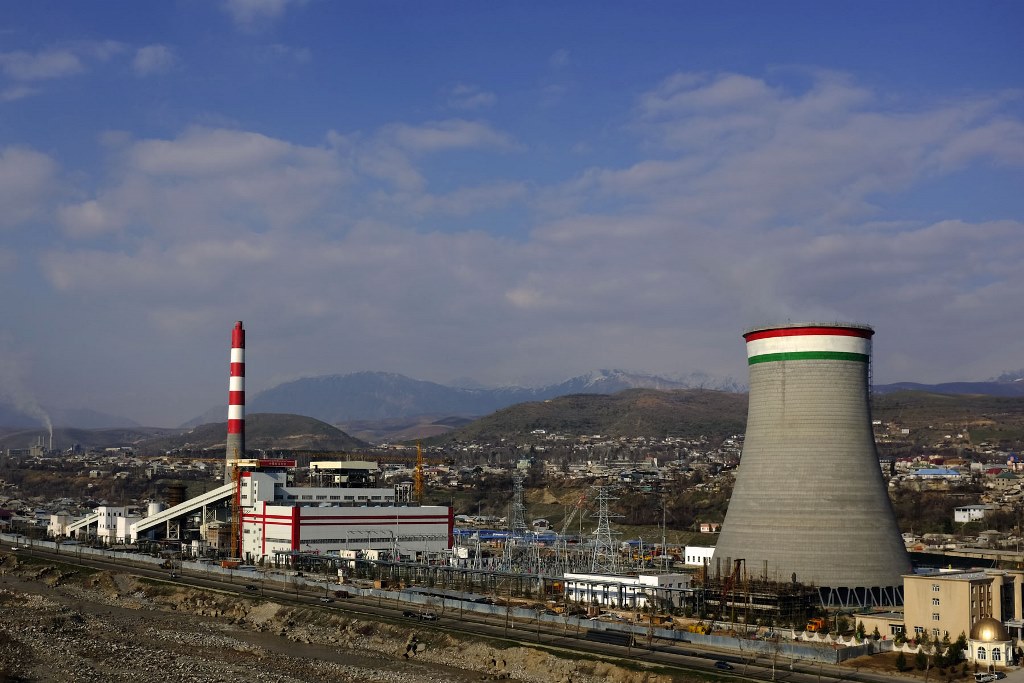
It should be noted that thermal energy is only supplied in Dushanbe. The heating season starts annually in November and lasts until April of the following year. The heat is mainly generated at the two CHP plants—Dushanbe-1 and Dushanbe-2.