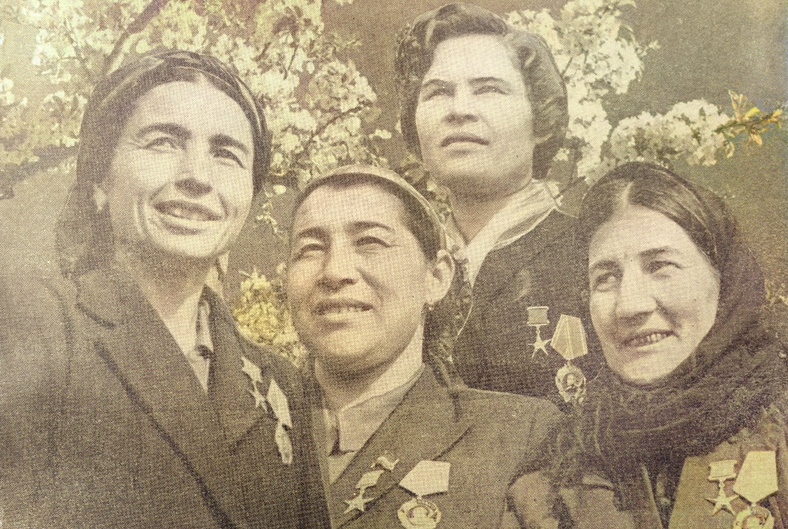
During the years of the Great Patriotic War of 1941-1945 (GPW 1941-1945), Tajik women went through immense hardship. The majority of them had to replace men who went to the front—working in factories and plants, in mines, in transportation. Alongside men, they fought on the frontlines, fed and clothed the defenders of the Motherland, and worried about their husbands, fathers, brothers, and sons.
More than half of all workers in Tajikistan’s enterprises were women, and in rural areas, women made up 80% of the workforce. Many also served as pilots and snipers in the war.
Hundreds of women from Tajikistan were drafted into the active army. Most served as medical personnel—rescuing the wounded from the battlefield, performing surgeries, working in hospitals, and helping soldiers return to life.
Some of their names: S. Niyozova – battalion doctor in a tank brigade, A. Isaeva – head of a medical unit in a motorized rifle battalion, Ya. Karamysheva, S. Sanginova, R. Fozilova, Z. Kostenko, R. Yakubova, and others.
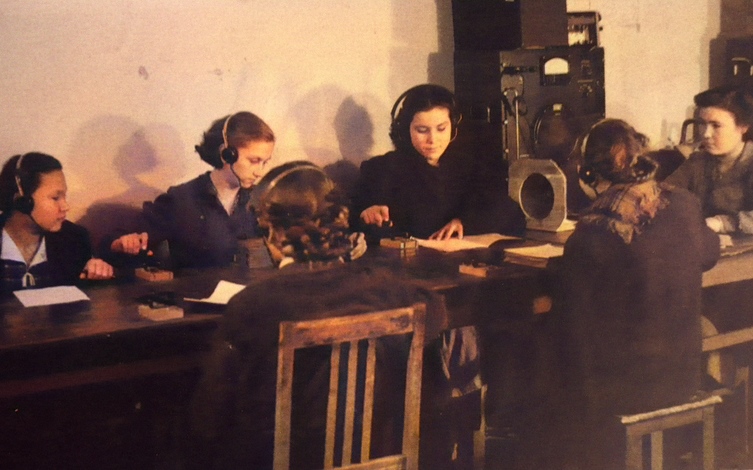
Aigul Mamadjanova, a pilot in a Guards Assault Aviation Regiment, carried out 93 combat missions. Several female pilots from the Tajik Civil Aviation Administration were sent to the Novosibirsk training center at the start of the war to quickly learn to operate the Li-2 aircraft before being sent to the front. Among them were A. Smagina, I. Qurbonova, V. Ustimenko, and others.
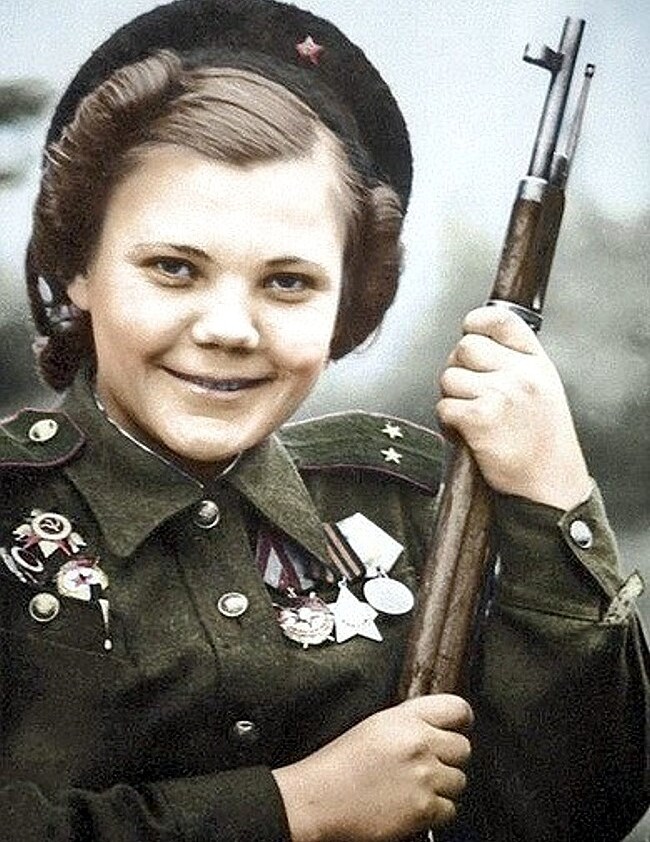
Graduates of the Central Women's Sniper Training School from Tajikistan—N. Lobkovskaya, O. Marynkina, M. Kosyanenko—distinguished themselves in combat.
Senior Lieutenant Nina Lobkovskaya personally eliminated 90 enemy soldiers and officers. For her bravery, she was awarded two Orders of the Red Banner, Orders of the Patriotic War (1st and 2nd class), and other military medals.
The Women’s movement
In November 1941, a group of women from Dushanbe factories and housewives issued a public call in a newspaper: “Women! To the factories, to the planes, to the tractors, combines, and cars! A free Soviet woman cannot remain indifferent when the whole world is engulfed in rage and hatred toward the fascist bandits!”
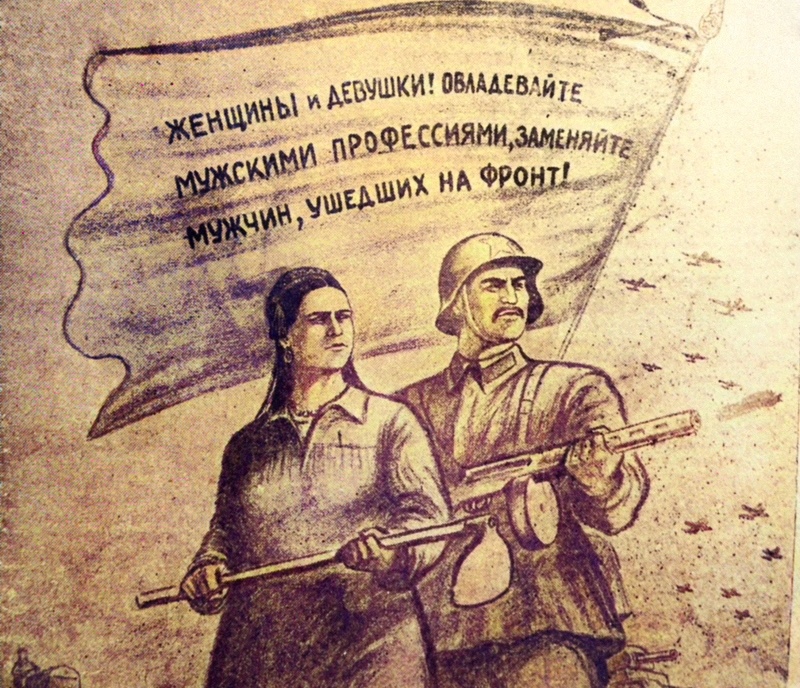
This marked the beginning of a women’s movement across the Tajik SSR and the whole USSR, where women began mastering traditionally male professions.
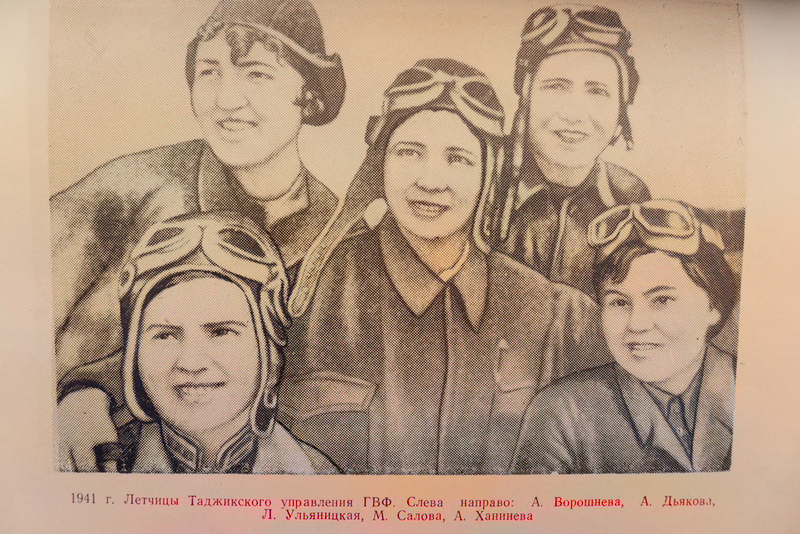
Women made up over half of the pilots in the Tajik Civil Aviation Administration during the war. In special and medical aviation units, all pilots were women.
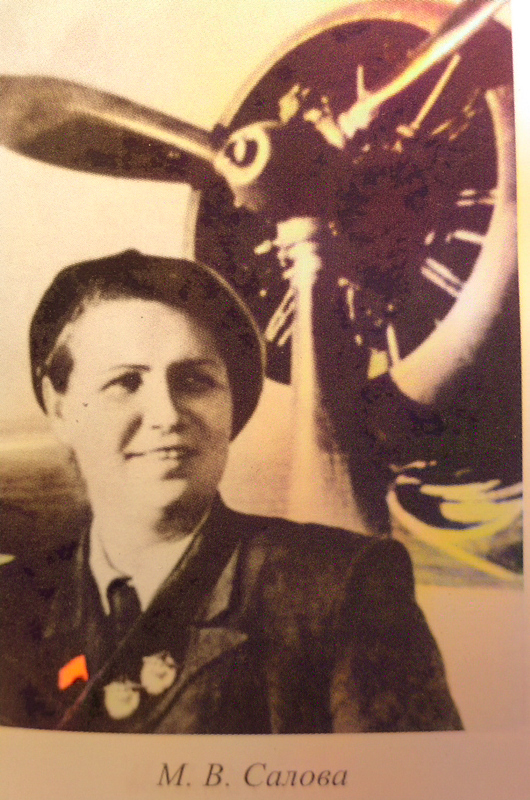
Some of these pilots: Shishkina, Semina, Khanineva, Dyakova, Voroshneva, Lebedeva, and others. They flew R-5 and Po-2 aircraft along challenging high-altitude routes.
They also performed maintenance and technical servicing of aircraft engines at the Dushanbe aviation hub.
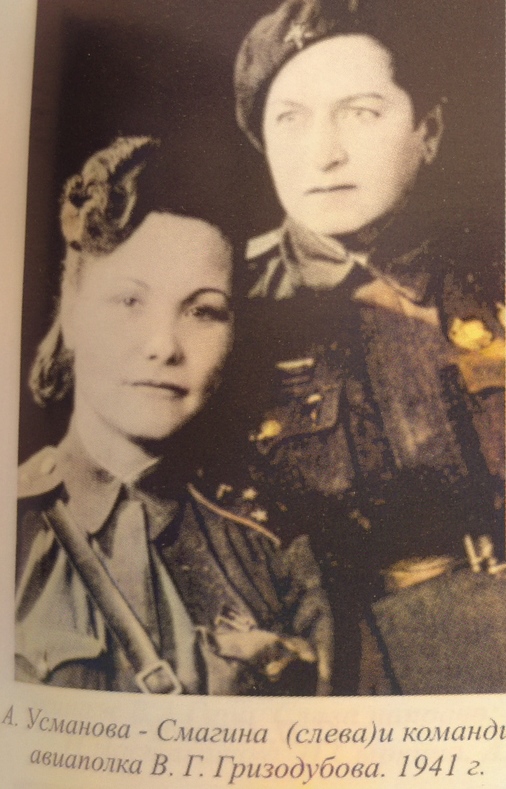
During the war, female pilots transported 6,000 tons of military and civilian cargo and carried 50,000 passengers.
They evacuated the sick and injured from remote areas, and flew in doctors to provide emergency medical care.
They plowed, sowed, and harvested…
More than half of all industrial workers in the republic were women, and they made up 80% of the agricultural workforce.
They worked under the slogan: “Everything for the front – everything for victory!”
Thousands of women became mechanics, tractor drivers, combine operators, and pilots.
By the end of 1941, over 1,000 women were already working in these roles.
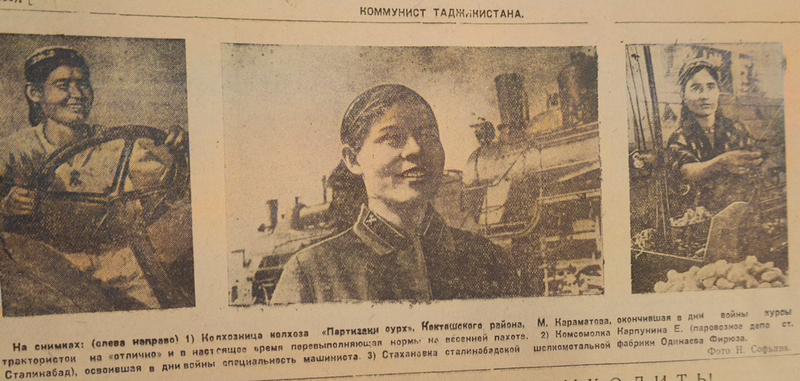
Between 1941–1945, 160,000 women were employed in agriculture in Tajikistan. Among those who completed foreman training for tractor teams, 50.6% were women; among combine operators, 48.4% were women.
Women also contributed in evacuation hospitals and medical centers—not only as doctors and nurses, but also as cleaners, cooks, laundry workers, letter writers, and volunteers who knitted gloves, scarves, and socks. They sent care packages to the front and served as blood donors.
In the Shurab mines and high-altitude ore fields, up to 50% of miners were women. They played a crucial role in supplying the Red Army and the country with precious and rare metals.
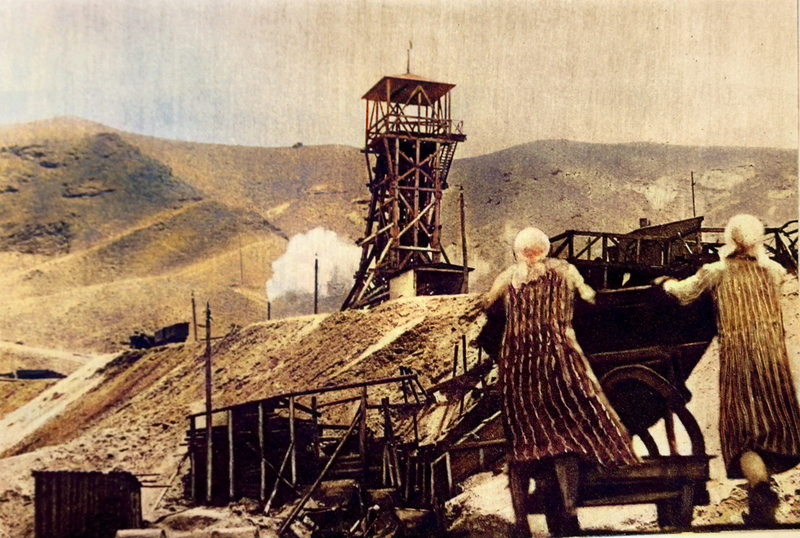
Thanks to the contributions of Tajik women, the republic’s economy was swiftly converted to a war footing, and military supply orders were fulfilled on time.