The Kurdistan Workers' Party (PKK) has announced its self-dissolution, BBC’s Russian Service reported on May 12, citing the Kurdish TV channel Rudaw.
The decision was reportedly made during the party's 12th congress, held on May 5–7. The statement declares that the PKK will dismantle its organizational structure, cease its armed struggle, and end its activities under the current name.
"The PKK’s struggle has dismantled the politics of denial and destruction aimed at our people and brought the Kurdish issue to a point where it can now be resolved through democratic politics, thus fulfilling its historical mission," the party's statement says.
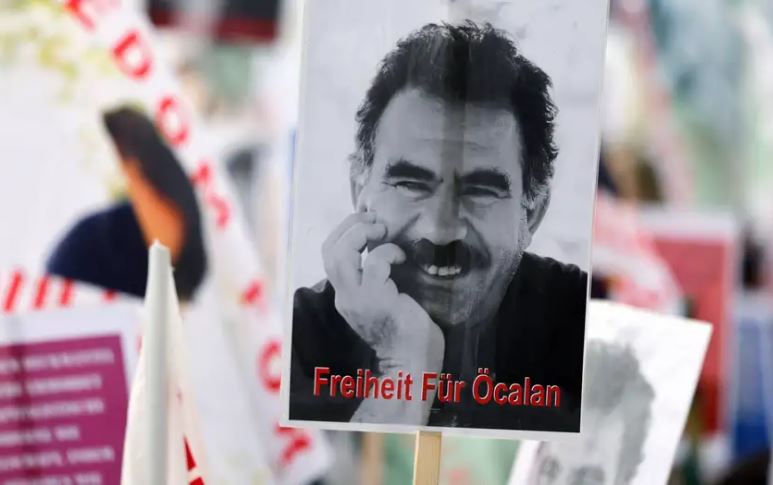
After forty years of conflict, which has claimed over 40,000 lives, the Kurdish militant group PKK has announced it is laying down arms and dissolving. This reportedly comes after a call from its imprisoned leader Abdullah Öcalan in late February, made as part of behind-the-scenes negotiations between Kurdish politicians and Turkish authorities.
Experts, however, caution that this announcement does not mean the “Kurdish issue” has been resolved. Turkish authorities have reportedly shown little urgency in implementing the democratic reforms demanded by Öcalan and his followers. Other Kurdish political leaders remain imprisoned, and the DEM Party — which represents Kurds in the Turkish parliament — continues to face persecution. Predominantly Kurdish regions of Turkey remain the poorest in the country.
Still, the PKK's decision to end its armed struggle against the Turkish state will likely affect domestic and foreign policy in Syria and Iraq, and potentially Iran — all countries with significant Kurdish populations whose leaders have either supported Öcalan or opposed his influence.
Meanwhile, CNN reports that the Turkish presidency said on Monday that the PKK’s decision is an indication that the “Terror-Free Turkey process” under Erdogan “has gained strength and come to an important stage,” adding that all “necessary measures will be taken” to ensure that the process progresses.
The spokesperson for the president’s Justice and Development (AK) Party said the decision could lead to a “new era.”
Al Jazeera notes that any concessions the PKK might obtain in exchange for its decision to disband have not been disclosed.
Details of the peace initiative have also not been made public, and it remains unclear how the process would proceed, including how weapons would be disposed of, who would monitor the procedures, or the future of PKK fighters — whether they might be relocated to third countries.
“If terrorism is completely eradicated, it will open the door to a new era,” said AK Party’s Celik, according to Al Jazeera.
However, he warned that the decision must apply to all “PKK branches, affiliates and illegal structures”.
That appears to be a reference to Kurdish fighters in Syria, who have ties to the PKK and have been involved in intense fighting with Turkish-backed forces on the ground there.
The leader of the US-backed Kurdish-led Syrian Democratic Forces previously stated that Ocalan’s call for a ceasefire does not apply to his group in Syria.