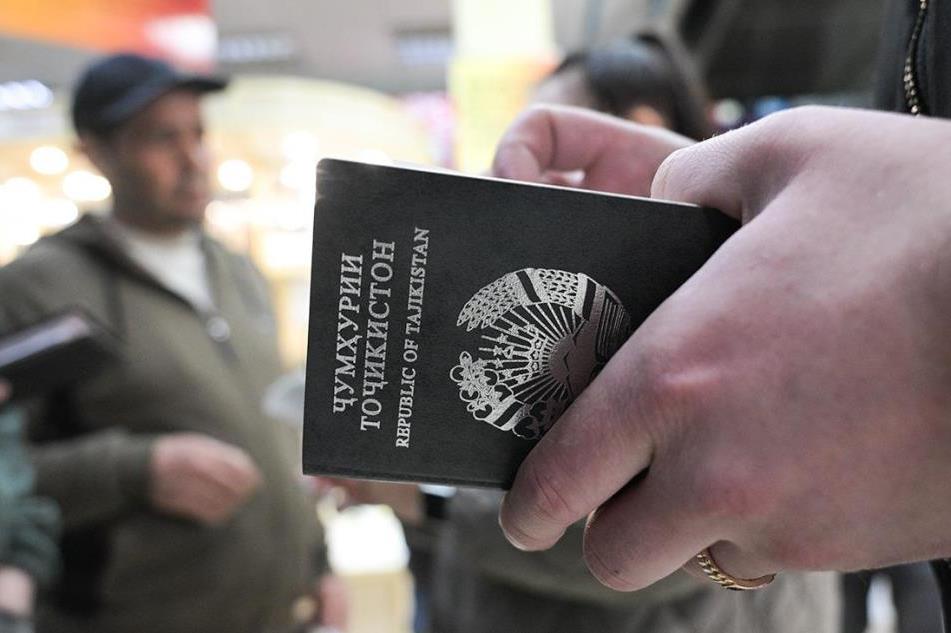
Tajik labor migrants seeking to legalize their status in Russia report unfair treatment and discrimination at the Kazakh-Russian border, as many struggle to meet the September 10 deadline for legalizing their stay.
Under a new regulation, foreigners residing in Russia without legal status must either regularize their documents or leave the country by this date. Many Tajik migrants choose to exit to Kazakhstan temporarily to re-enter Russia and obtain lawful residency. However, long queues and reports of discriminatory practices are making this process difficult, some say.
One such case is that of Munira, a Tajik woman who, along with her husband, has lived and worked in Moscow for over two decades.
On April 24, Munira crossed the "Zhaisan/Sagarchin" border point from Russia into Kazakhstan with other compatriots to begin paperwork for legalization. The following day, they attempted to return to Russia but faced severe delays and discrimination.
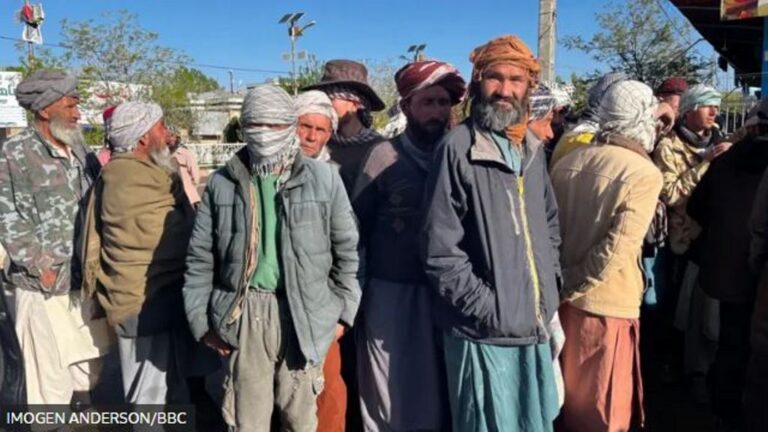
“At the border crossing, there was a huge line of vehicles — citizens from Uzbekistan, Kyrgyzstan, Tajikistan, and other countries waited for hours,” Munira recounts. “But Tajik cars were repeatedly pushed back and sent to the end of the queue while others were allowed through more quickly.”
Humiliations at the border
According to Munira, Russian border officials showed clear hostility toward Tajiks, complicating their passage. Migrants endured long waits, hunger, exhaustion, and what she described as humiliating and inhumane treatment.
Munira described a situation that shocked her. In one of the cars with Tajiks, a young woman was talking on the phone. The border guards noticed and strictly warned that talking on the phone was forbidden. The woman replied she was talking to her mother and telling her where she was. But this did not ease the situation:
“The border guard approached the driver and demanded that he remove the car’s wheels and film a video to show him. The driver had to comply – he removed two wheels, filmed the video, and showed it to the border guard. Then they told him: ‘Remove the other wheels and film a video too.’ The driver was forced to remove all four wheels, record the video, and show it again. After that, the guard mockingly said, ‘Now screw the wheels back on tighter.’”
“This kind of treatment is real humiliation and mockery of Tajiks,” Munira says, noting that she does not know whether phone calls are really forbidden at the border or what punishment is prescribed for this.
Despite passing all checks, Munira’s husband was ultimately denied re-entry due to a 2012 issue with his documents, forcing him to return to Dushanbe. Munira herself is preparing to sell her Moscow apartment and return home.
Since late March 2024, following a terrorist attack at the Crocus City Hall concert venue in Krasnogorsk, border controls and airport screenings for Tajik citizens entering Russia have been tightened. Many face invasive searches of mobile devices, deportations without explanation, and entry bans.
The situation highlights growing tensions and hardships faced by labor migrants caught between regulatory crackdowns and bureaucratic obstacles at the borders.