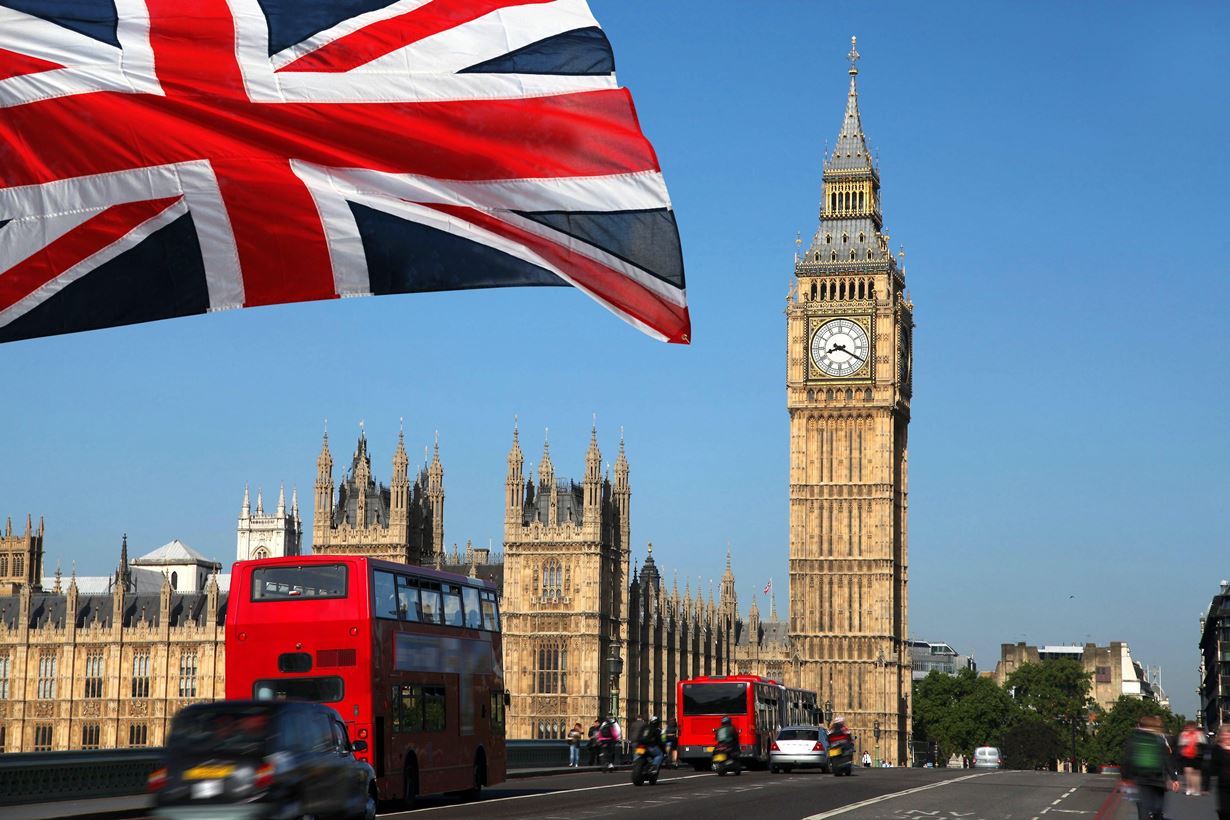
On May 12, the UK government introduced a large-scale immigration reform. The 82-page document includes numerous changes that could affect citizens of Tajikistan.
The United Kingdom, under the leadership of Prime Minister Keir Starmer, has unveiled a policy paper titled Restoring Control: Reforming the UK’s Immigration System to Deliver for the British People. The 82-page document proposes a number of stricter immigration policies, affecting students, workers, and those seeking permanent residency.
Seasonal work — no changes for now
For most Tajik citizens, the most accessible way to enter the UK remains seasonal work in agriculture. The Seasonal Worker visa allows for a maximum stay of six months and cannot be extended. After the contract ends, the worker must return home.
Although the rules for this visa remain unchanged for now, the UK is clearly shifting toward a more selective immigration policy, with an increasing emphasis on skilled labor.
Studying in the UK to become more difficult
Major changes are planned for international students. The government intends to reduce the time graduates can stay in the country after completing their studies — from two years to 18 months. It is also considering introducing a tax on university income from international students, with the revenue aimed at funding the training of British specialists.
For Tajik citizens, this means studying in the UK may become even harder. According to the Ministry of Education and Science of Tajikistan, only 18 Tajik students were enrolled in UK universities as of August 2024. Although the number is small, the new restrictions could further limit access to British higher education.
Path to permanent residency becomes longer
The reform proposes increasing the minimum residency requirement for obtaining Indefinite Leave to Remain (ILR) from five to ten years. A new “earned settlement” system is also being discussed, which would allow applicants to qualify earlier if they are actively engaged in British society—through work, tax contributions, or social involvement.
Language requirements are also being tightened. The main applicant must now demonstrate English proficiency at a B2 level. Family members will face a phased requirement increase—from A1 upon entry, to A2 for visa renewal, and B2 when applying for ILR. The minimum income threshold for family reunification is expected to rise, and elderly relatives may face new language requirements and entry restrictions.
Social Care visa on the way out
The Social Care visa, introduced during the pandemic, is expected to be phased out. Work visas will be issued only to qualified professionals with at least a bachelor's degree. Temporary visas for lower-skilled workers will be granted only in cases of acute labor shortages and only if employers prove they have tried to hire locally. A transitional period will remain in place until 2028.
Top talent remains a priority
The most privileged immigration routes — high potential individual, global talent, and innovator founder — will remain in place. These programs offer more flexible conditions and a faster path to ILR, but require high qualifications, international recognition, and significant resources, making them largely inaccessible to most Tajik citizens.
Conclusion:
The UK continues to restrict pathways for low-skilled and temporary migration. Tajik citizens who are considering studying or working in the country should closely monitor policy changes and consider alternative migration routes.