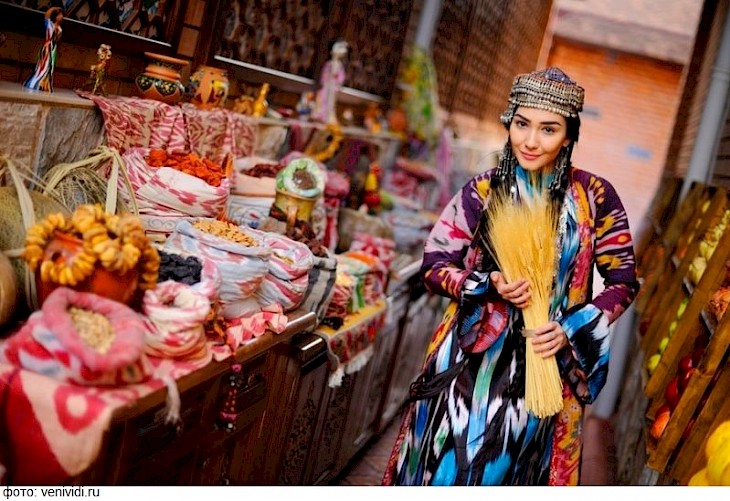
While Uzbekistan continues to modernize with sleek malls and upscale boutiques, its historic bazaars remain beating hearts of local culture, commerce, and color. From the bustling domes of Tashkent to the open-air markets of Khiva and Samarkand, these iconic trading hubs draw locals and tourists alike — not just for shopping, but for a taste of authentic Uzbek life.
In a country where haggling is an art form and market stalls double as cultural museums, bazaars are more than a place to buy goods — they are a gateway to the nation’s soul.
Chorsu Bazaar – Tashkent’s historic marketplace
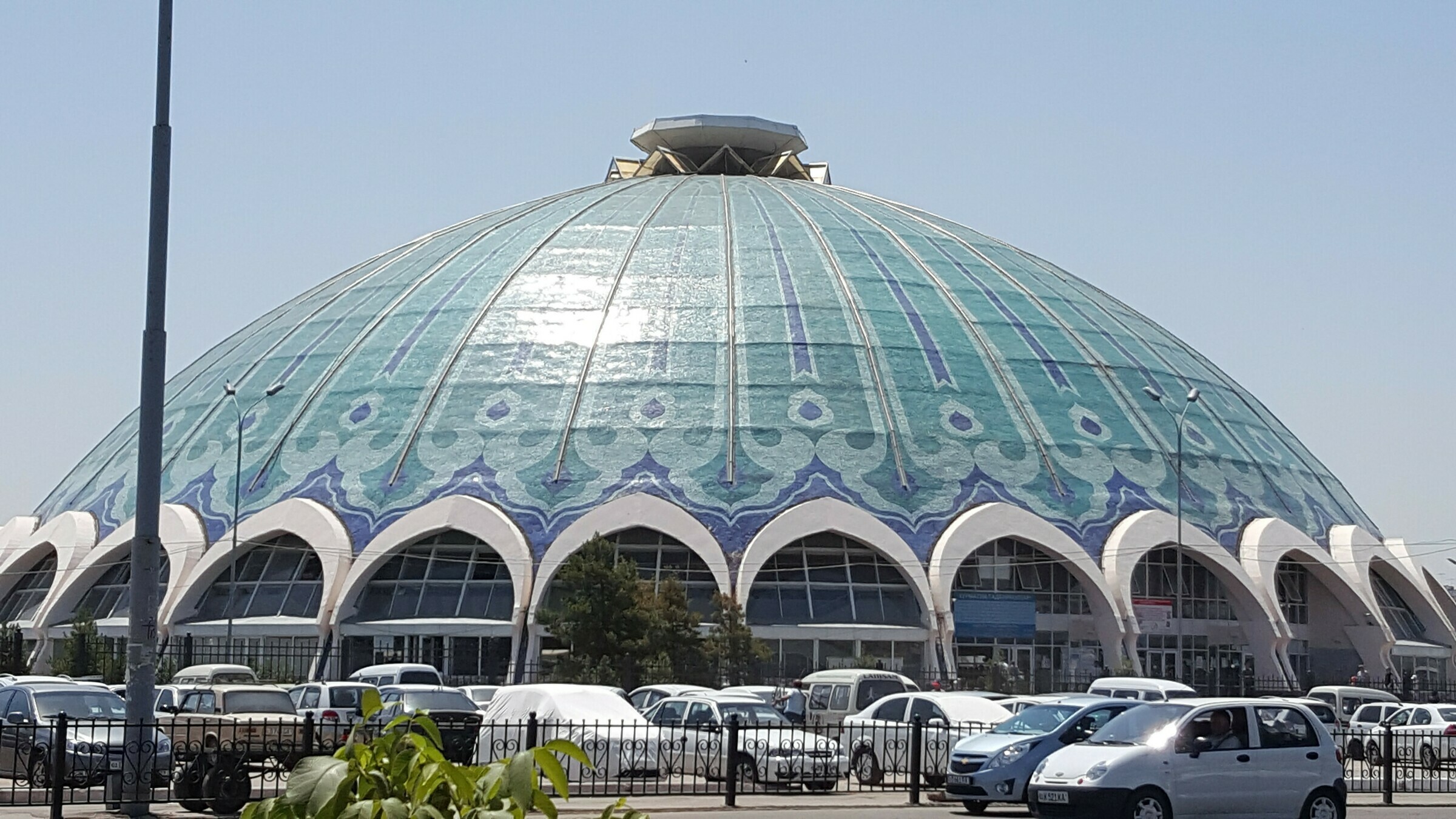
At the center of the capital, Chorsu Bazaar stands as one of Central Asia’s oldest markets. Once a key stop on the Silk Road, it remains divided into three sections: food, handicrafts, and clothing. Under its famous blue domes, visitors can find fresh produce, spices, and handmade goods while soaking up centuries of commercial tradition.
Yangiabad Bazaar – A treasure trove for the curious
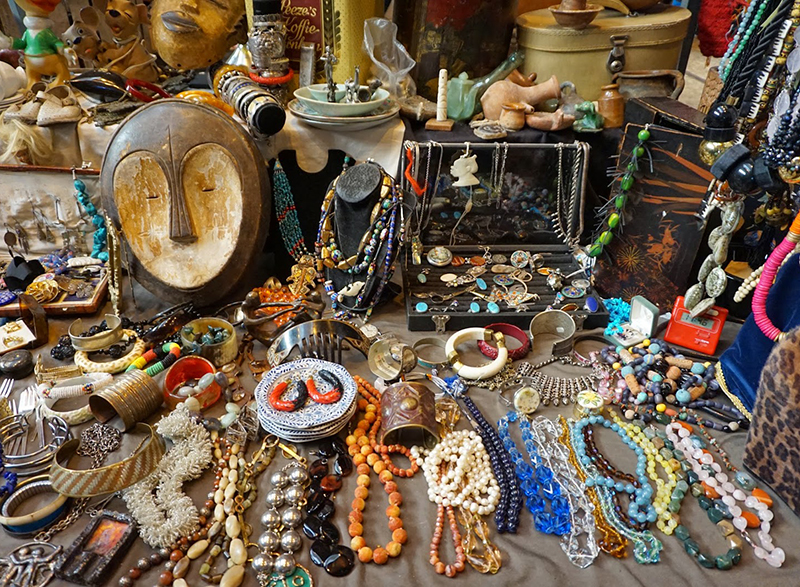
Also in Tashkent, Yangiabad Bazaar offers a distinctly different vibe — eclectic, colorful, and filled with unexpected finds. Tourists and collectors flock here for vintage items, rare souvenirs, and antique gems that speak to Uzbekistan’s diverse history.
Dehkan Bazaar – Khiva’s open-air cultural hub
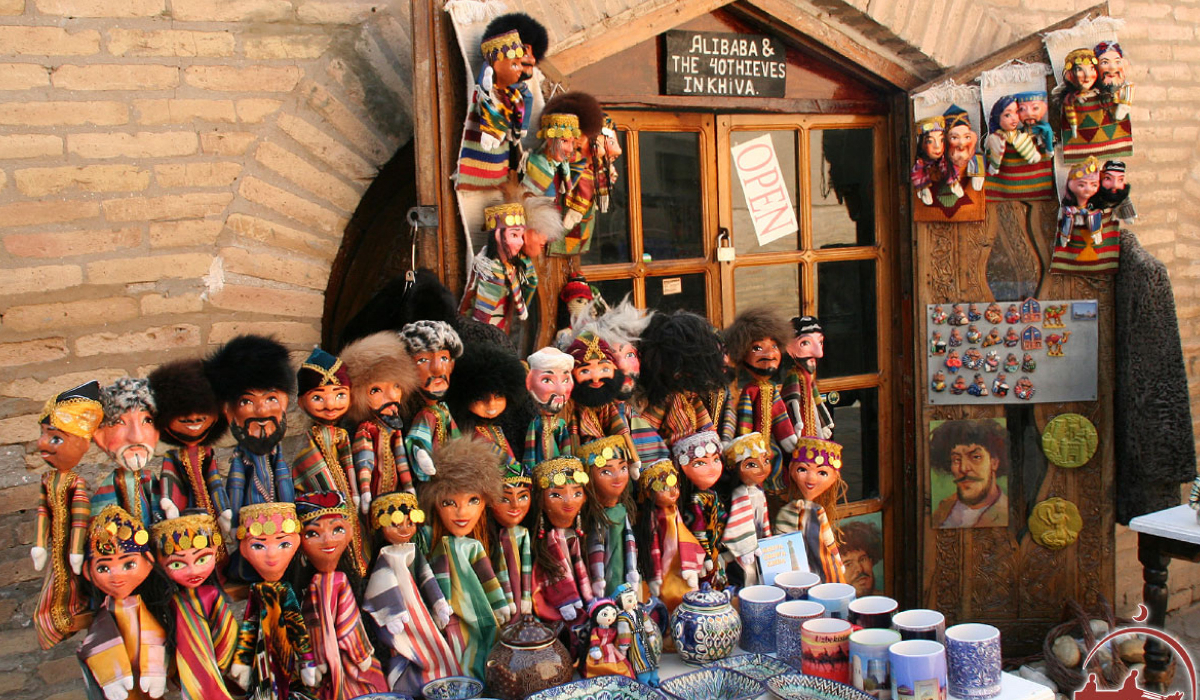
Nestled within the ancient walls of Itchan Kala, a UNESCO World Heritage Site, Khiva’s Dehkan Bazaar functions like an open-air gallery. It features carpets, ceramics, embroidered clothing, and handcrafted woodwork. Locals and visitors often linger, enjoying tea and local dishes at nearby chaikhanas (teahouses).
Toqi Zargaron – Bukhara’s jewelers’ dome
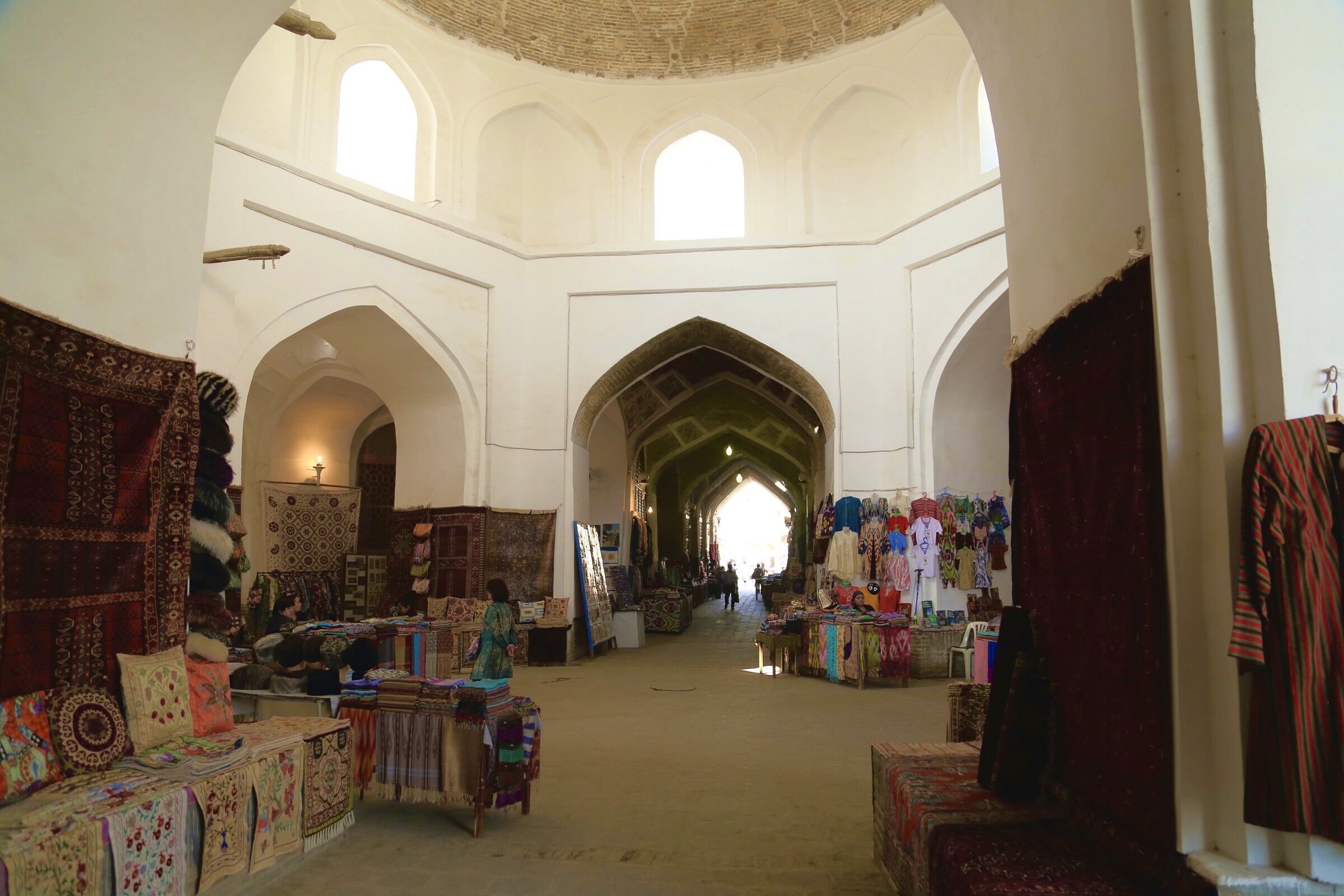
In Bukhara, the famed domed bazaar Toqi Zargaron continues a centuries-old tradition of fine jewelry making. Its name translates as "Dome of Jewelers," and true to form, the stalls sparkle with rings, necklaces, and ornate earrings crafted by local artisans. Many of the skills on display have been handed down through generations.
Siab Bazaar – Samarkand’s iconic market
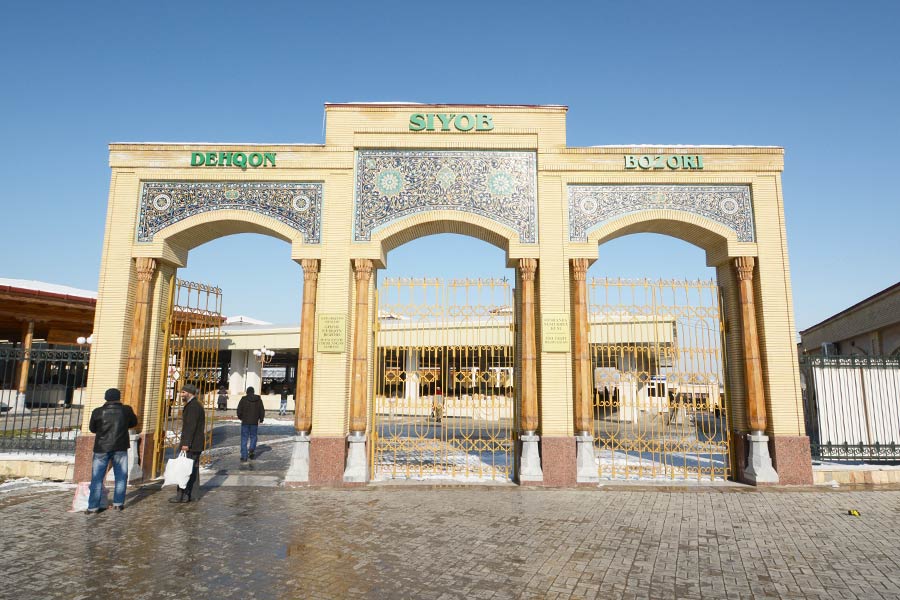
Just steps away from the famed Registan, Siab Bazaar is a kaleidoscope of sights and smells. With vibrant textiles, handcrafted pottery, and fresh produce, it captures the essence of Samarkand’s cultural richness. Tourists often stock up on dried fruits, flatbreads, and spices, while enjoying spontaneous conversations with local sellers eager to share stories behind their wares.
ECOBOZOR – The new face of Uzbek retail
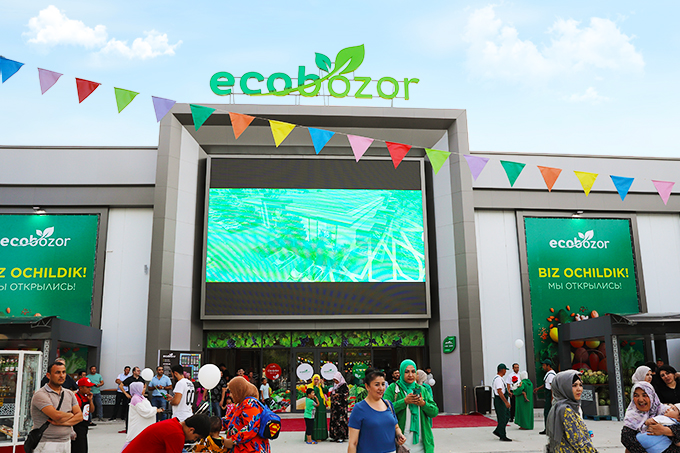
For a more modern twist, ECOBOZOR in Tashkent blends the format of a shopping mall with traditional market flair. Though newer and more structured, the bazaar still embraces the eclecticism that defines Uzbek retail — offering international goods, cosmetics, food, and fashion. With rides for kids, cafes, and ample parking, it caters to a new generation of marketgoers.
A living tradition
Despite changing trends and growing urban development, Uzbekistan’s bazaars remain indispensable — not only as economic hubs but as spaces where heritage, hospitality, and everyday life converge.
For visitors, a trip to the bazaar is more than a shopping trip. It’s a journey through time, where the spirit of the Silk Road still whispers between stalls of saffron and silk.