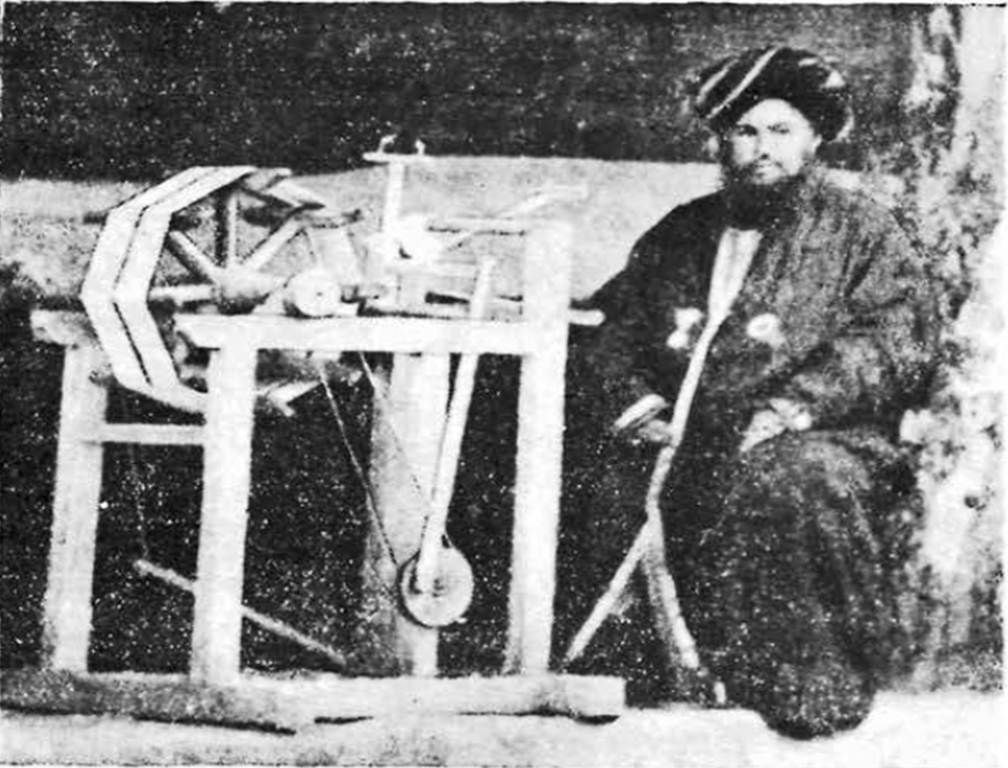
Akrampolvon Askarov was the first Central Asian to receive a gold medal in archaeology, a pioneer who worked closely with archaeological communities across Russia, France, and England. His invaluable collection is still preserved today in the Hermitage Museum in Saint Petersburg.
The flourishing of local historical and archaeological research in Central Asia largely began after the region came under Russian colonial influence, driven by Russian scholars. Local enthusiasts primarily contributed by collecting artifacts to assist these researchers. Among the most notable collectors were Mirzo Abdullo Bukhori, Mirzo Abdurahmon, Fayoz, Khoja Yusuf, and Akrampolvon Askarov himself.
Born in 1834 in Asht village of the Asht district—home to the world-famous White Mosque—Akrampolvon was raised in a family of prominent traders. His father, Askarbobo, was one of the leading merchants in the Ferghana Valley, and his mother was Saidabegim.
Although Akrampolvon received his initial education locally, his father was dissatisfied with the curriculum and supplemented his studies at home. Fascinated by historical literature, Akrampolvon moved from Bukhara’s Mir-i-Arab madrasa to Samarkand’s Sher-Dor madrasa to continue his studies in geography, history, Arabic, literature, and the Quran. Later, he pursued further education in Herat.
Physically impressive and strong—rumored to resemble Rustam from Ferdowsi’s Shahnameh—Akrampolvon also distinguished himself in sports. In 1870, he won a major wrestling tournament in Tashkent, besting athletes from the Ferghana Valley and Khujand. Despite this victory, he soon left wrestling behind to assume family responsibilities at age 22 and followed in his father’s footsteps as a merchant.
Merchant and traveler
Akrampolvon’s first major journey began on November 16, 1858, as a trading expedition before Central Asia’s official annexation to the Russian Empire. He traveled with his brother Solehpahlavon and 14 others from Bukhara and Samarkand through to Shiraz and Tabriz in Iran, returning in 1860.
Throughout his travels, Akrampolvon carefully collected valuable archaeological artifacts, focusing on the region’s ancient cultural heritage. His journey eventually led him to Saint Petersburg, where in 1859 he met the prominent scholar and enlightener Ahmad Donish at the Winter Palace. Akrampolvon noted in his diary their mutual respect and even their audience with the Emperor.
Back in Khorezm in 1864, Akrampolvon combined business with philanthropy, assisting the poor. In 1866, using his own funds, he built the mosque in Asht now known as the White Mosque.
Later settling in Tashkent, he expanded his trade with three popular “Silk Road” shops. In 1877, he founded the “Asht Blacksmiths Society,” which grew to include over 4,500 members under his leadership until 1916. In 1867, the Governor of Turkestan appointed him chief of staff, but Akrampolvon continued to focus on commerce, earning the nickname “Akram the Merchant” and serving as the commercial representative of the Tajik government.
The collector who shaped Central Asian archaeology
In 1870, Akrampolvon Askarov initiated a production exhibition in Tashkent showcasing local crafts, trade, and agriculture. In 1876, he joined geologist G.D. Romanovsky on a journey through the Syrdarya region, collecting valuable data on the area’s history, archaeology, and local cultures.
Russian scholar V. Bartold praised Askarov as an expert on Central Asia’s unique archaeological heritage, while N. Veselovsky recognized him as the first Central Asian accepted into Russia’s scientific community.
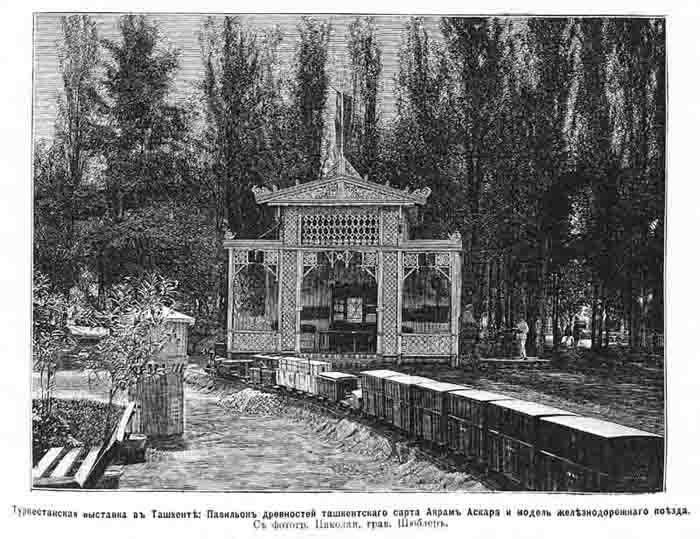
At the 1890 Turkestan Industrial Agricultural Exhibition, Askarov introduced American cotton varieties to the region and gained recognition among Russian researchers who frequently studied his collections.
Fluent in Arabic and Russian, Askarov collaborated extensively with Professor N.I. Veselovsky and was regarded as one of the region’s foremost archaeologists. His deep knowledge of local languages and traditions made him an invaluable source on ancient monuments.
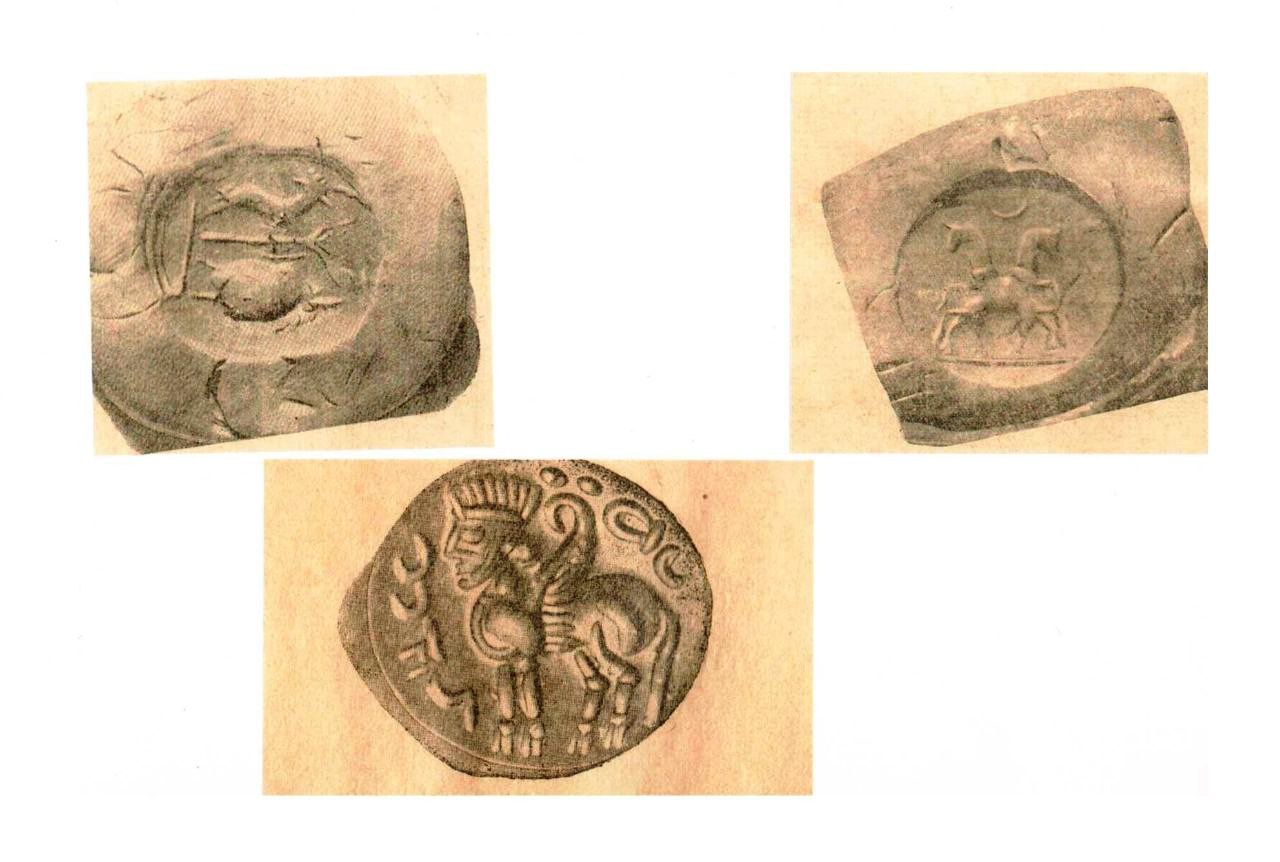
He amassed a collection of around 7,000 artifacts, including gold and silver coins, manuscripts, and pottery, many of which he delivered personally to the Hermitage Museum. His collection notably included Seleucid coins from the era of King Antiochus I.
In addition to scholarly work, Askarov had business ties with the Emir of Bukhara and supplied arms to the emirate’s army. In 1894, he became the first Central Asian to receive the Archaeological Society of St. Petersburg’s gold medal for his contributions.
His archaeological initiatives included excavations at Afrasiab and the Fergana Valley, where he helped uncover ancient cemeteries and castles. His efforts laid the foundation for the study of Central Asia’s ancient history.
After his death in 1920, Askarov left a rich legacy of manuscripts, coins, and artifacts. He left behind a vast collection: 1,567 Islamic manuscripts; 2,348 archaeological artifacts; 16,858 copper coins; 5,678 silver coins; and 3,765 gold coins. His collection was praised by historians and exhibited internationally, securing his place as a founding figure in Central Asian archaeology.
Akrampolvon Askarov remains a key figure in Tajikistan’s cultural history, whose pioneering work significantly advanced knowledge of the region’s heritage.
His collections have been exhibited repeatedly in museums across the United Kingdom, France, Russia, Ukraine, Turkiye, and Uzbekistan.
In sum, Akrampolvon Askarov remains a towering figure in Tajikistan’s history of archaeology and regional studies—a true pioneer whose work enriched the understanding of Central Asia’s rich cultural and historical heritage.