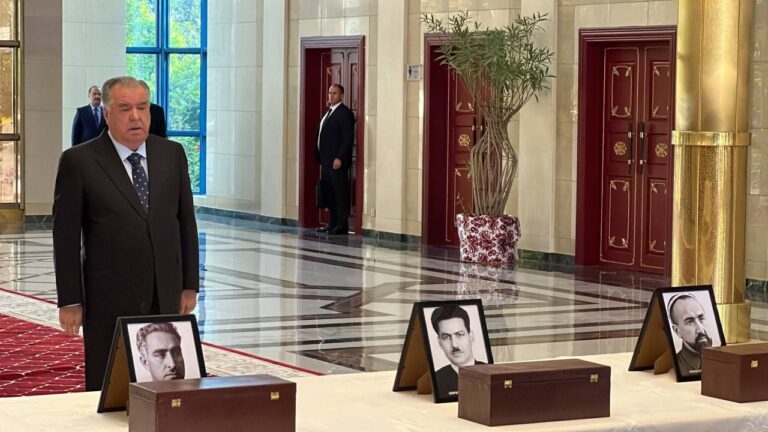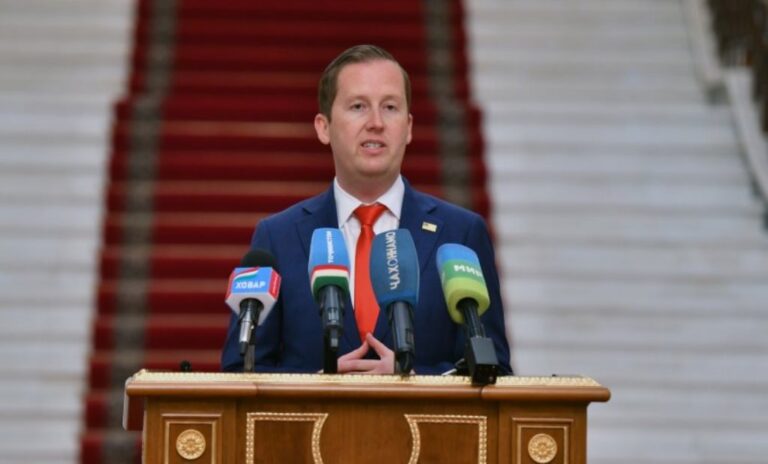
The Ministry of Foreign Affairs of Tajikistan has officially welcomed the ceasefire agreement reached between the State of Israel and the Islamic Republic of Iran, which came into effect early Tuesday morning.
The statement, published on the ministry's website, expressed hope that the truce would mark the end of a conflict that "violated all norms of international law" and lay the groundwork for lasting peace in the Middle East.
“Tajikistan hopes that this agreement will put an end to the war that began in violation of all norms of international law and will lay a solid foundation for establishing long-lasting and sustainable peace in the Middle East,” says a statement.
Tensions remain despite truce
Despite the agreement, tensions flared shortly after the ceasefire began, as both Israel and Iran accused each other of violating its terms. The BBC’s Russian Service reports that following mutual confirmation of the truce by officials in both countries, brief exchanges of fire were reported. Israel claimed it struck a radar facility near Tehran, only to call off further operations after a phone call between Israeli Prime Minister Benjamin Netanyahu and U.S. President Donald Trump.
US President Trump stated he persuaded Israel to refrain from launching further attacks on Iran. Meanwhile, Netanyahu's office accused Tehran of firing three rockets in breach of the truce—an accusation denied by Iran.
Leaders urge compliance
Iranian President Masoud Pezeshkian affirmed his country’s commitment to the ceasefire, contingent on Israel doing the same. In a phone conversation with Malaysian Prime Minister Anwar Ibrahim, Pezeshkian said: "If Israel does not violate the ceasefire, Iran will also uphold it. We are ready for dialogue and for securing the legitimate rights of the Iranian people at the negotiation table."
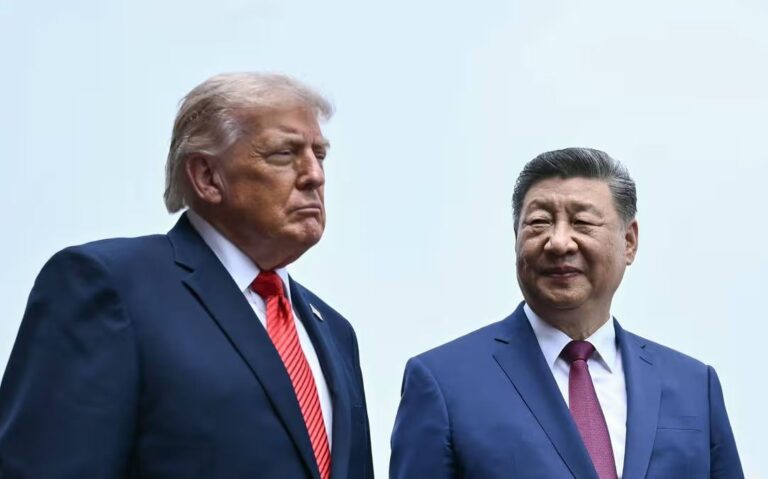
US President Trump, speaking later on Tuesday, urged both nations to uphold the ceasefire. He expressed dissatisfaction with both sides—“especially Israel”—and noted that Israel dropped “more bombs than ever before” after the ceasefire was announced. He attributed Israel’s action to what he described as a possibly unintentional Iranian missile launch.
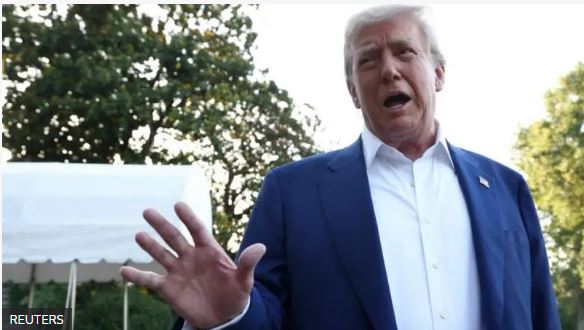
While reiterating that he does not support regime change in Iran, Trump emphasized his preference for de-escalation:
"No, I don't want that. I want things to calm down as soon as possible. Regime change leads to chaos, and ideally, we should avoid chaos."
This position was echoed by U.S. Defense Secretary Pete Hegseth, who clarified on Sunday that regime change is not among Washington’s current objectives—even after the U.S. bombed Iranian nuclear sites in Fordow, Natanz, and Isfahan.
Trump further claimed that Iran's nuclear program had been permanently crippled by U.S. airstrikes:
"Iran will never rebuild its nuclear facilities," he wrote on his Truth Social platform.
Russia Responds
The Kremlin also welcomed the ceasefire. Russian presidential spokesperson Dmitry Peskov said Moscow, which had advocated peaceful resolution since the beginning of the conflict, viewed the ceasefire as a positive development.
"If a ceasefire has indeed been reached, it should be welcomed and supported," Peskov said, as quoted by RIA Novosti.
He also addressed speculation surrounding President Vladimir Putin’s recent meeting with Iranian Foreign Minister Abbas Araghchi. Peskov clarified that no written message from Iran’s Supreme Leader Ayatollah Ali Khamenei was delivered, but acknowledged that certain “signals” were conveyed by the Iranian side.
Responding to criticism that Moscow has not offered sufficient support to Iran, Peskov stressed:
"Russia has consistently supported Iran through its clear and principled stance."
Timeline of the conflict
June 13: Israel launched airstrikes on Iranian targets associated with its nuclear program. Iran responded with rocket attacks on Israeli territory.
June 22: The United States entered the conflict. American airstrikes targeted nuclear sites in Fordow, Natanz, and Isfahan. President Trump declared the facilities destroyed.

In retaliation, Iran attacked a U.S. airbase in Qatar.
Following these developments, a ceasefire was announced by President Trump.
According to Iran’s Minister of Health, 606 people were killed during the 12 days of Israeli airstrikes. In contrast, Israeli officials reported 28 deaths as a result of Iranian attacks.