Despite steady progress in reducing poverty, more than 25% of Tajikistan’s population continues to live below the international poverty line — surviving on less than US$3.65 a day. This finding is detailed in the World Bank’s latest “Poverty, Prosperity, and Planet Report 2024.”
National data shows poverty in Tajikistan declined from 26.3% in 2022 to 23.5% in 2023, with projections pointing to a further drop to 21.3% in 2024. However, according to international benchmarks, every fourth citizen remains in a vulnerable position.
The World Bank recently adjusted its global poverty threshold from US$2.15 to US$3.00 per person per day, reflecting updated purchasing power parity. As of the end of 2023, approximately 700 million people worldwide — 8.5% of the global population — still live in extreme poverty (under US$2.15/day).
The report highlights that countries heavily dependent on remittances, food and energy imports — like Tajikistan — are at high risk. The national economy remains weakly insulated from global shocks, inflation is high, and a large portion of the population works in the informal sector, particularly in agriculture.
Social protection programs are inadequate in reaching those most in need, making poverty not just a statistical measure, but a daily reality for millions.
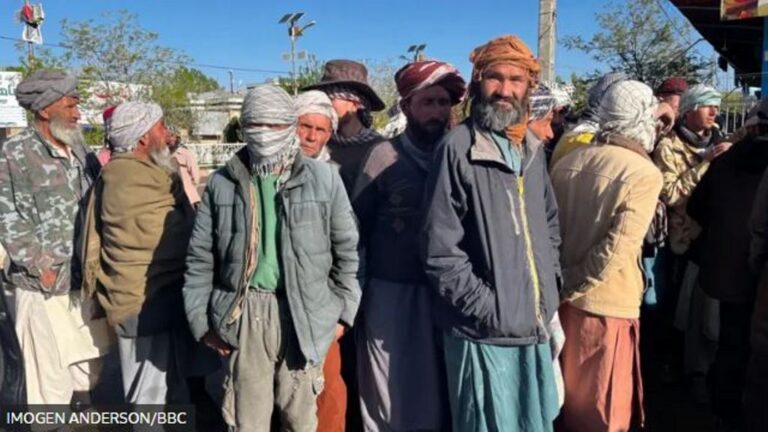
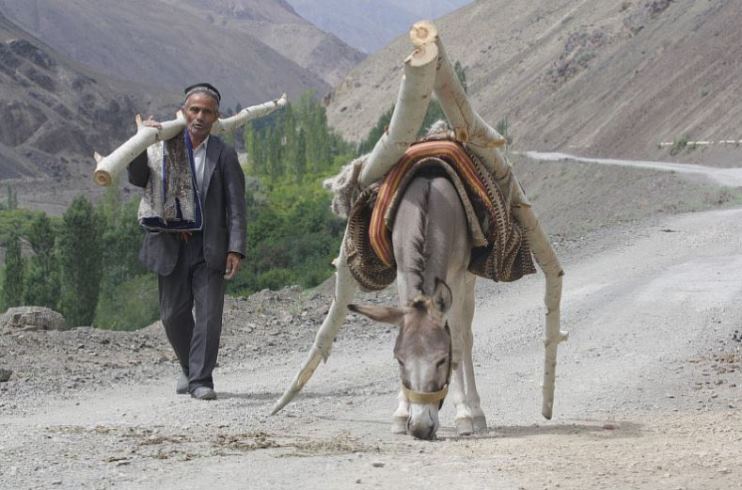
According to the World Bank, poverty in Tajikistan is largely rural and socially stratified. Around 80% of the poor live in the countryside, where informal agriculture is the main source of income.
Nearly 70% of adults in poor households lack vocational education, severely limiting their opportunities for economic advancement. Women, children, single parents, and large families are particularly at risk, often living below subsistence levels and lacking access to sustained support.
The highest projected national poverty rate in Central Asia for 2024 is expected in Kyrgyzstan — at 29.8%. While Tajikistan’s rate may drop to 21.3%, more than a quarter of the population still lives under the US$3.65/day threshold.
In Uzbekistan, despite a decline in official poverty to 11.2%, global standards reveal persistent vulnerability. Kazakhstan shows the most favorable outlook, with a projected poverty rate of 3.7%, and less than 5% living under the global poverty line. Turkmenistan does not publish official poverty data, complicating regional assessments.
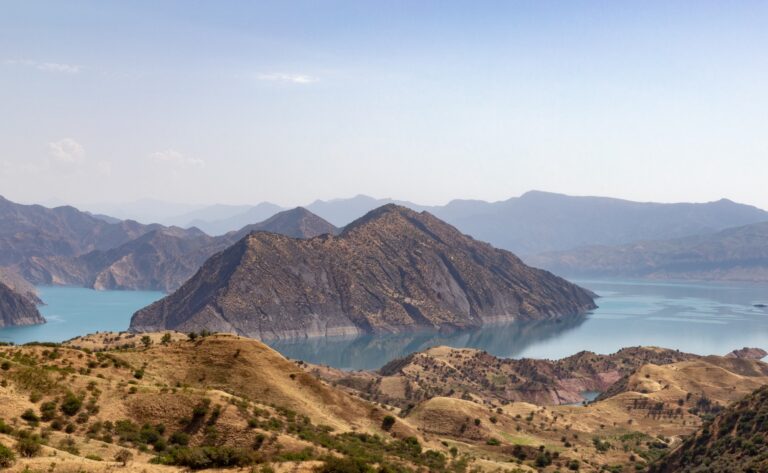
Central Asia is among the world’s most climate-vulnerable regions. Between 2000 and 2020, average temperatures rose by 1.23°C, and glacier coverage shrank by 30%. For Tajikistan — where glaciers are the primary source of freshwater — this threatens both food security and agricultural stability.
Nevertheless, the country is already taking action. The report notes that Tajikistan has adopted precision agriculture technologies and improved water management, helping boost yields in arid areas while conserving water.
The World Bank calls for a comprehensive approach to tackling poverty in countries like Tajikistan. Key strategies include:
· Targeted growth benefiting the poorest groups, including support for small farms and formalization of informal jobs.
· Heavy investments in human capital — education, healthcare, and nutrition.
· Expansion of social protection systems, especially in rural and remote areas.
· Reducing dependency on remittances and food imports, to strengthen economic resilience.
· Infrastructure improvements — roads, water access, and digital connectivity.
· Accelerated climate adaptation, particularly for sustainable agriculture.
Until these systemic changes are implemented, millions in Tajikistan remain at risk of being left behind — despite progress on paper.