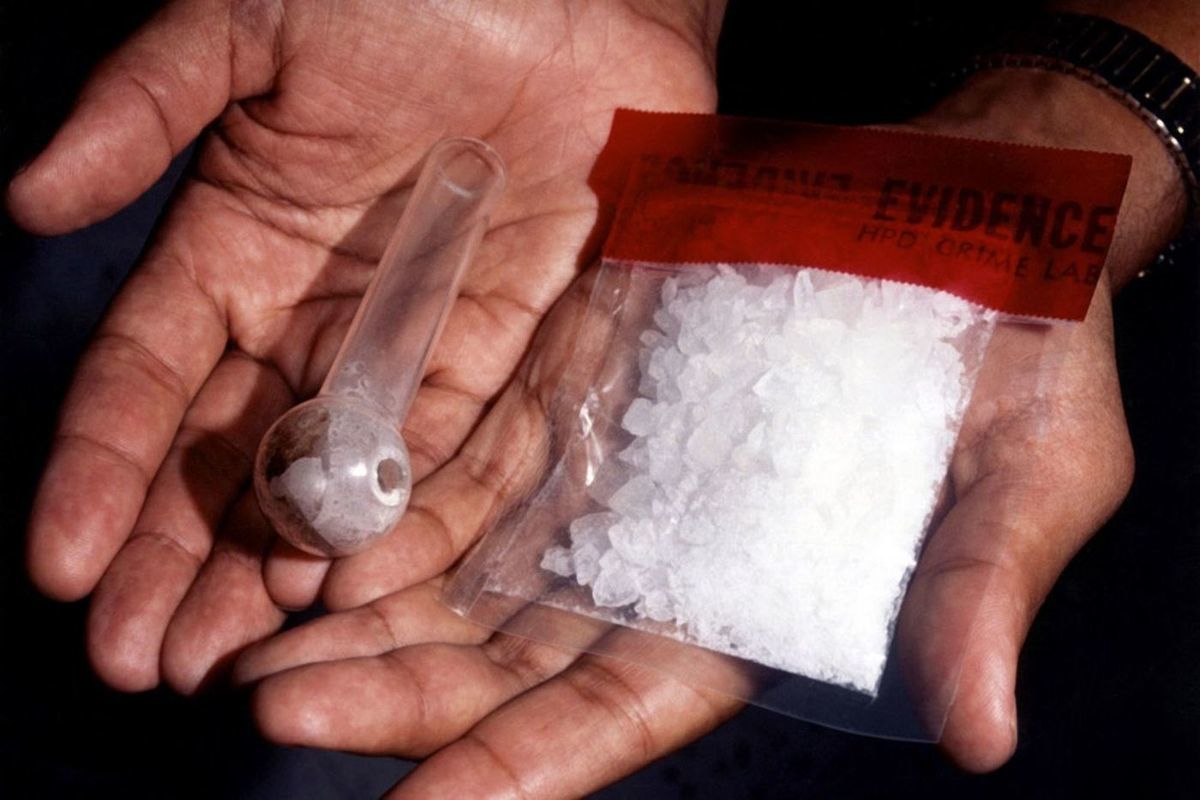
Central Asian countries, including Tajikistan, are facing a new wave of drug-related challenges as synthetic substances such as methamphetamine, pregabalin, and nitazenes increasingly replace Afghan heroin. With heroin supply dwindling after a Taliban-imposed opium ban, synthetic drugs are becoming more widespread — distributed through the dark web and messaging apps, and finding a growing market among youth.
A shift in global drug trends
According to the United Nations' 2024 World Drug Report, over 292 million people used drugs in 2022 — a 20% increase over the past decade. Central Asia, once considered merely a transit route for narcotics, is now emerging as a significant consumer market. The primary concern: the shift from plant-based drugs like heroin to synthetic alternatives that are cheaper, more potent, and far harder to track.
Turning point in Afghanistan
April 2022 marked a watershed moment when the Taliban officially banned poppy cultivation, the primary source of opium and heroin. As a result, Afghanistan’s poppy fields shrank by 95% in 2023 — from 233,000 hectares to just 10,800. This dramatic reduction led to a sharp drop in heroin supply, a spike in prices (from US$116 to US$408 per kilogram), and a pivot toward synthetic drugs.
One such substitute is methamphetamine, now being produced from wild-growing ephedra in Afghanistan’s mountains, enabling low-tech mass production.
The rise of synthetic narcotics
Today’s drug market is increasingly dominated by substances like methamphetamine, mephedrone, tramadol, pregabalin, and especially nitazenes — synthetic opioids dozens of times more potent than fentanyl, already blamed for spikes in overdose deaths worldwide.
Unlike traditional narcotics, synthetic drugs don’t rely on climate or growing seasons. They can be produced in small labs hidden in apartments, garages, or basements. Many of these substances are not yet listed under international drug control laws, making them especially appealing to traffickers and cartels.
Digitalization of the drug trade
The drug economy has quickly adapted to the digital era. Most transactions now take place on the dark web and via encrypted messaging apps like Telegram, where hundreds of closed channels and bots operate. Buyers can select a drug, pay with cryptocurrency, and receive drop-off instructions — all without face-to-face contact.
Cryptocurrencies, anonymous wallets, and strong encryption make dealers nearly untouchable. Teenagers are increasingly drawn into the trade. For law enforcement and social services, this presents new challenges, from digital surveillance to combating addiction among youth.
New routes: Central Asia as a logistics hub
With the decline of the Balkan route, the importance of the northern corridor has grown: Afghanistan → Tajikistan → Uzbekistan/Turkmenistan → Kazakhstan → Russia → Europe. A western route through Turkmenistan and the Caucasus is also becoming more active.
Central Asia is no longer just a transit zone — it has become a key logistics hub for synthetic drug trafficking and, increasingly, a growing market for consumption.
A transformed drug landscape
In just two to three years, the global drug scene has undergone a dramatic shift. While traditional opiates once dominated the black market, synthetic drugs — particularly methamphetamine and nitazenes — now lead, posing greater risks due to their extremely low lethal doses.
Production has moved from open fields to hidden labs; sales have shifted from street corners to encrypted digital platforms. This evolution reduces costs for cartels and makes it harder for law enforcement to respond effectively.
Domestic demand is rising. Central Asia is transitioning from a corridor to a consumer market. Synthetic drugs are cheap and accessible, while digital distribution makes control nearly impossible.
Of particular concern is the intensifying competition among drug cartels, falling methamphetamine prices, and the widespread emergence of fentanyl — a cheap but deadly drug. This combination is making synthetic drugs dangerously accessible, especially in vulnerable regions such as Central Asia.