Russian lawmakers have introduced a series of new proposals aimed at tightening control over migration, which could significantly impact both migrants and businesses. Key measures include higher registration and patent fees, fines for sharing SIM cards, restrictions on money transfers, and expanded grounds for revoking citizenship.
A major initiative involves introducing fines for illegally transferring SIM cards. Under the new rules, individuals could face fines between 30,000 and 50,000 rubles, while businesses could be penalized up to 200,000 rubles for such violations. However, sharing a SIM card temporarily with family or friends will not be penalized.
In another proposal, the State Duma (Russia’s lower chamber of parliament) has approved amendments that would impose fines for searching or accessing banned extremist content online. The fines range from 3,000 to 5,000 rubles for individuals, with much higher penalties for promoting VPN services or bypassing restrictions. These measures aim to limit the spread of radical material and prevent attempts to circumvent legal limitations.
Additionally, deputies from the "New People" party have proposed a cap on the amount migrants can transfer abroad, limiting it to their official salaries. This is part of a broader push to combat money laundering, reduce tax evasion, and strengthen currency control. Migrants exceeding this limit would need to provide documentation proving the legitimacy of their income.
One of the most significant proposals is expanding the grounds for revoking Russian citizenship. The law would add nine new criminal offenses, including sexual crimes against minors and acts threatening national security, to the list of reasons for revocation of Russian citizenship. Lawmakers argue this sends a clear message that migrants must fully comply with Russian laws or risk losing their citizenship.
Moreover, a new 5.1% tax on migrant workers' wages has been suggested, with proceeds directed to regional budgets for funding language and cultural adaptation programs. This measure is intended to ease interethnic tensions and help migrants integrate into Russian society.
To further regulate migration, additional fees are being introduced for obtaining or renewing work patents, with prices set at 4,200 rubles for a new patent and 2,100 rubles for changes or duplicates. These new fees will be used to support migration infrastructure and digitalize registration processes.
In a move to enhance security and control, the government also plans to place police and migration service units at businesses employing foreign workers. This will allow for more efficient document checks and better enforcement of migration laws, particularly in industries that rely on migrant labor.
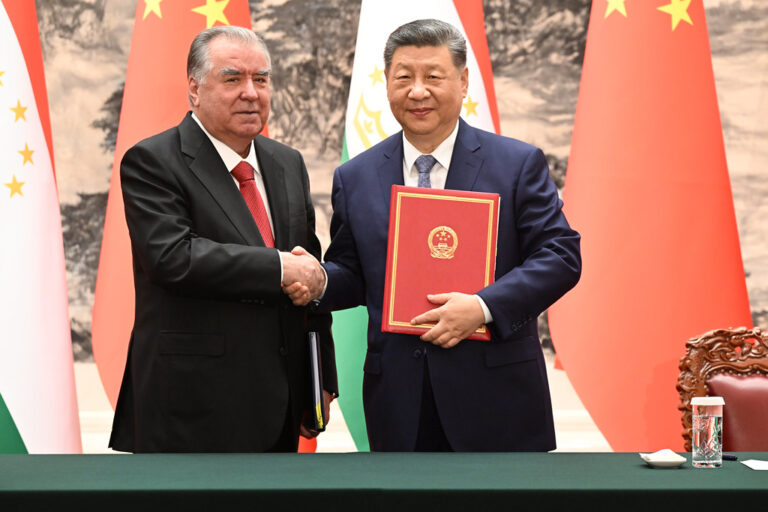
Tajikistan and Russia have signed an agreement to simplify labor migration, including biometric data collection and medical checks in Tajikistan before migrants travel to Russia. These steps aim to streamline the process and improve the safety and qualifications of migrant workers.
Lawmakers are expected to finalize the new laws by the end of July, marking a significant shift in Russia's approach to managing migration and foreign labor.